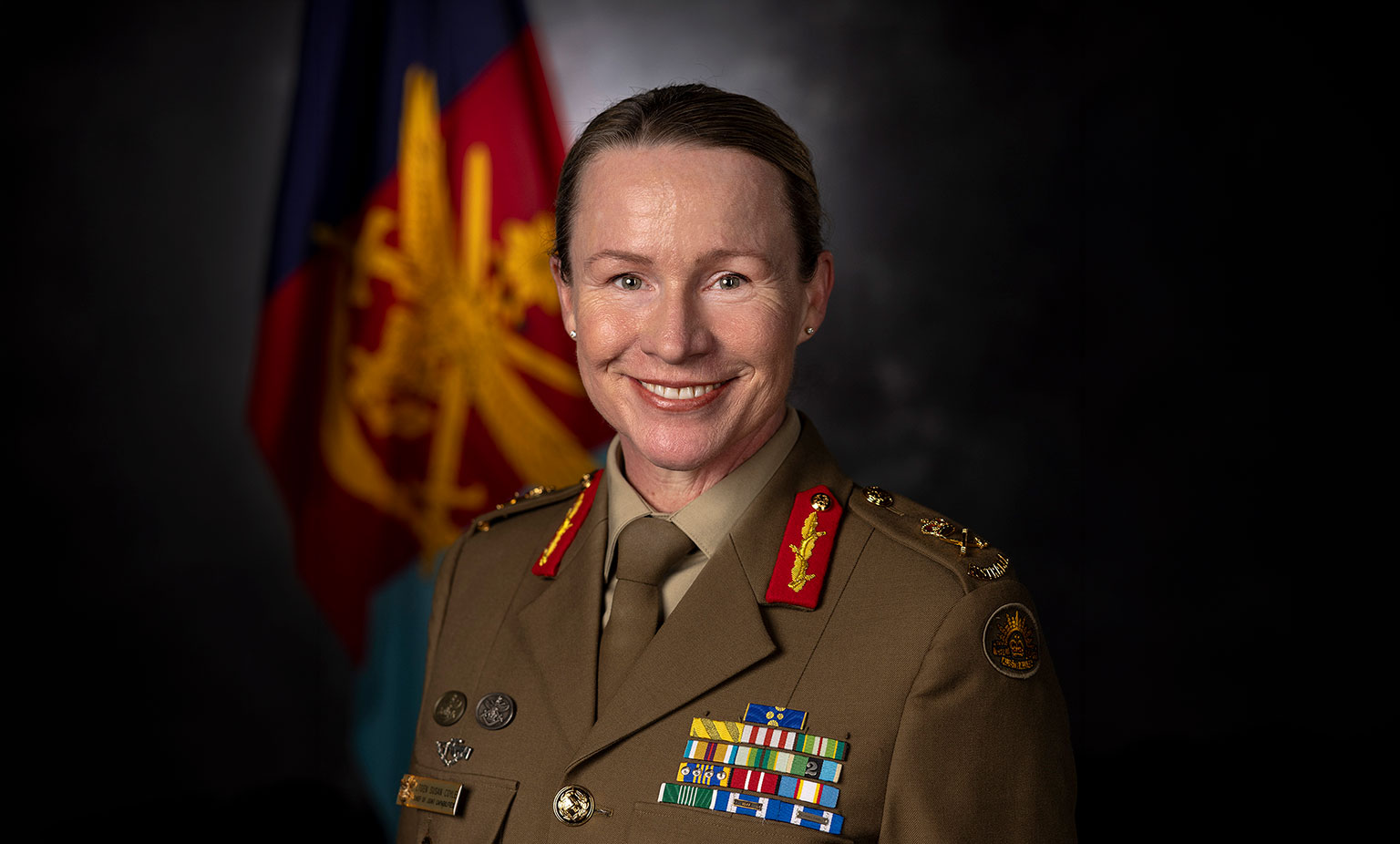
The appointment of Susan Coyle as the first woman to lead the Australian Army is being recognised as a major milestone, though experts caution it is only one step toward broader representation across the defence force.
Currently serving as chief of joint capabilities, Lieutenant General Coyle will become the first woman to head any branch of the Australian Defence Force when she assumes the role of chief of army in July. Her career began in 1987 when she enlisted in the army reserves, and she has since been deployed to East Timor, the Solomon Islands and Afghanistan. In 2020, she became the first woman to command the joint task force overseeing all Australian operations in the Middle East.
Defence expert Jennifer Parker said while the historic nature of the appointment is important, Coyle’s extensive service record should remain the focus.
“Men and women, particularly those within the ADF, should be very proud of this day … Lt Gen Coyle has significant operational and professional experience and has led a range of commands throughout her career,” Ms Parker said.
“It has taken us too long to get here, and I think we shouldn’t take this as read that everything is solved in terms of representation across the ADF.
“We still need to focus on making sure we have opportunities for women and people with different backgrounds.”
Ms Parker, who previously served in the Royal Australian Navy for more than two decades and is now affiliated with the ANU National Security College, noted that restrictions preventing women from serving in all defence roles were only lifted in 2013.
“We should reflect on how much things have changed, but also that there is still more to do,” she said.
“It’s incredibly important for women to see the opportunities available to them … this is a significant moment for the army, but I wonder how long it will still take for a woman to be appointed the head of the navy or air force.”
Her appointment comes at a time when the defence force is facing serious allegations from female veterans regarding sexual abuse and harassment during their service. Around 2500 women are involved in a class action against the Commonwealth, claiming a culture of systemic abuse, harassment and discrimination within the ADF.
Ms Parker said meaningful cultural change requires more than a single high-profile appointment.
“This is a complex thing. Culture is ever evolving … (this announcement) is a signal of things going in the right direction, but there are still changes to be made,” she said.
“I’m not sure one moment signifies that a culture has changed. It’s about constant small changes.”
Announcing the decision, Defence Minister Richard Marles shared a remark from Lt Gen Coyle that highlights the broader significance of the moment: “you cannot be what you cannot see”.
“Susan’s achievement will be deeply significant to women who are serving in the Australian Defence Force today and women who are thinking about serving … in the future,” he said.
Mr Marles is expected to outline further defence plans later this week, including the launch of the 2026 National Defence Strategy and Integrated Investment Program, with up to $15 billion set to be invested in uncrewed and autonomous systems such as drones over the coming decade.