Australia’s agricultural regulator is facing renewed pressure over paraquat, a controversial herbicide used widely in local farming and alleged to be linked to Parkinson’s disease.
The chemical remains in use in Australia, particularly in no-tillage farming, despite having been banned by courts or regulators in 70 countries, including the UK and across Europe. China, the world’s largest producer of paraquat, has also restricted its domestic use, where the highly toxic substance has been blamed for about 5000 poisoning deaths each year.
Concern has sharpened after the US state of Vermont became the first in the nation to ban paraquat. Last week, the state’s Governor signed legislation prohibiting the weedkiller, noting that “exposure substantially increases the risk of Parkinson’s disease … non-Hodgkin lymphoma and childhood leukaemia”.
The development prompted Independent Senator David Pocock to question Australian Pesticides and Veterinary Medicines Authority chief Peter Hansen during a Senate estimates hearing on Thursday.
Mr Pocock pressed the regulator on why paraquat was still under review almost three decades after the process began in 1997, especially as other countries have already taken action.
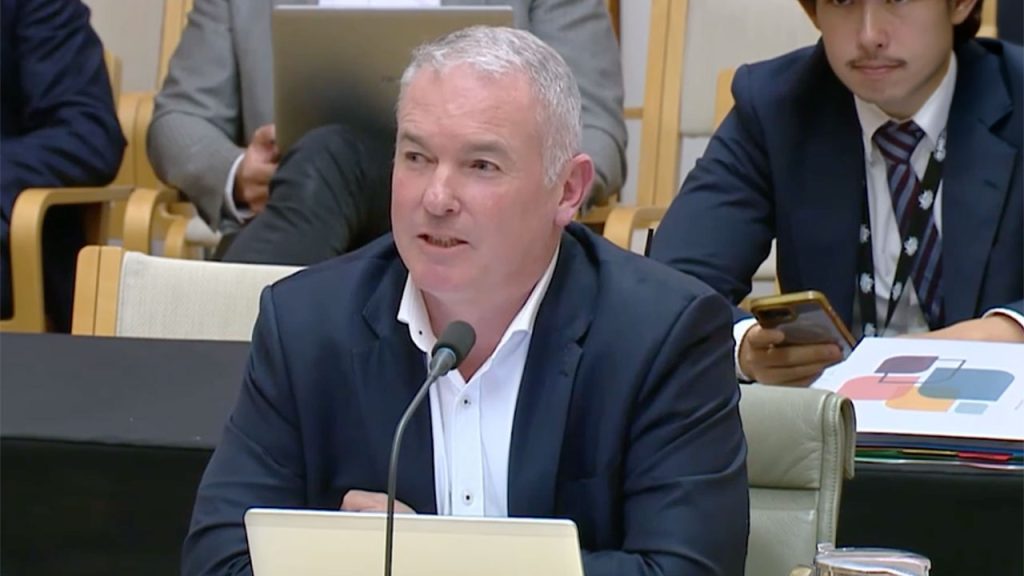
“My understanding was that APVMA was finally, after 28 years of whatever it was, to make a decision last year,” the ACT senator asked.
“That hasn’t happened?”
Mr Hansen said the report had been delayed because of new findings from the US Environmental Protection Agency relating to paraquat’s “volatility of the chemical in the field”.
He said the paraquat review had been “constantly evolving” over the years and that there had been “numerous milestones along the way”.
Mr Pocock then asked whether the regulator was “confident that this is actually safe for humans” if the chemical was now thought to be more “volatile”, meaning more likely to become airborne.
Mr Hansen replied, “If we didn’t think it was safe, we wouldn’t be looking to make a decision that would allow it to continue to be used.”
He added, “If we thought it wasn’t safe, we would be making a decision that looks to ban it … if it was imminent and urgent we would have taken actions already.”
Paraquat is used in the production of grains, cotton, horticulture, sugarcane, rice and wine.
Mr Pocock argued Australians would be troubled by the length of the review, particularly when other nations, including countries in Europe, Asia and Africa, had already banned the chemical.
“This all while you’re reviewing this herbicide,” he said.
“Is that not concerning that we can have a 30 year review of a herbicide that in the meantime is being banned left, right and centre, including by a whole range of countries in West Africa that I assume don’t have the resources that the APVMA would have available to you?”
The scrutiny comes as agricultural giant Syngenta has announced it will stop global production of paraquat by the end of June, after facing thousands of lawsuits linked to the herbicide.
Australia’s National Farmers’ Federation has strongly opposed changes to paraquat rules. In a 2024 submission to the APVMA, it said tighter restrictions would “have a significant and adverse impact on the agricultural sector, rendering the use of the chemicals impractical or ineffective in many circumstances”.
The federation argued, “In essence, in addition to protecting crops from yield losses, paraquat and diquat products allow farmers to improve soil health, minimise machinery usage, retain soil moisture, and reduce erosion.”
“That is, farmers use these chemicals to achieve additional and positive environmental impacts and productivity gains.”
The NFF also pointed to the APVMA’s earlier position that available evidence did “not support the claim that there is a growing body of evidence indicating a causal link between exposure to paraquat and the development of Parkinson’s disease”.
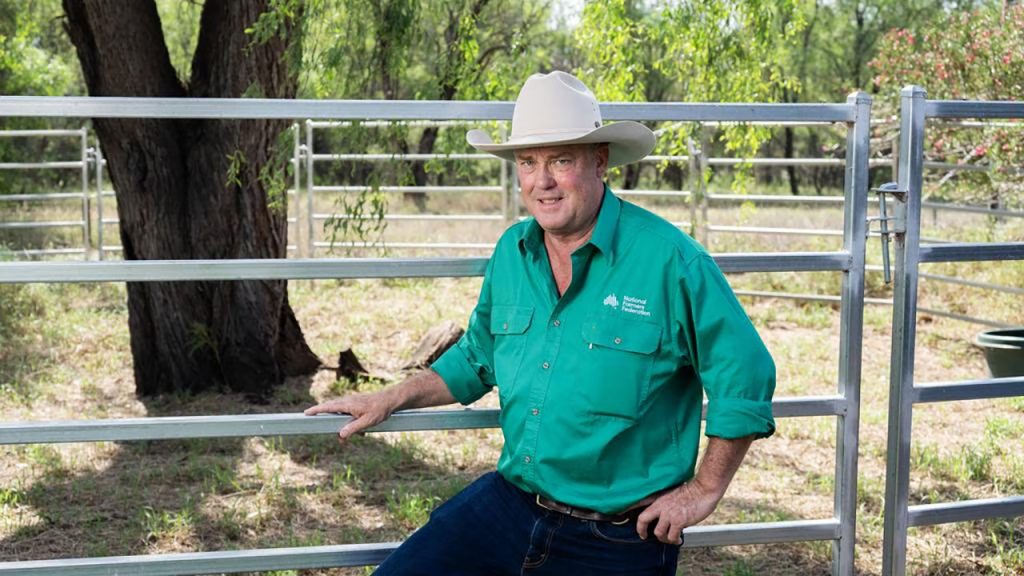
NFF president Hamish McIntyre said farmers depended on the regulator’s scientific expertise.
“Farmers are not scientists or medical experts, and that’s why the role of the independent regulator is so important,” he said.
“The APVMA independently reviews the latest scientific evidence from Australia, and around the world, against our unique Australian conditions. Farmers take chemical use very seriously and need to abide by strict PPE guidelines.”
The debate has also been fuelled by personal accounts from farming communities. West Australian farmer Frank Geers, who was diagnosed with Parkinson’s after exposure to chemicals including paraquat, said he knew at least a dozen retired farmers living with the condition.
“The vast majority believe their Parkinson’s was caused by the herbicides,” he said.
“And some of them are very angry that paraquat is still available for use. They saturated themselves in the stuff for years.”
Parkinson’s Australia has been campaigning for paraquat to be banned, warning it poses “a serious health risk to farmers, agricultural workers, and the general public”.
In correspondence to the APVMA, the organisation wrote, “Parkinson’s Australia has long heard stories from individuals and families about the use of pesticides and the prevalence of Parkinson’s in their area.”
“Over the years, we have seen what we describe as ‘anecdotal clusters’, a name that doesn’t give respect or justify what agricultural communities are experiencing.”
Mr Hansen told the Senate hearing the APVMA would publish its findings on the paraquat review in the coming weeks.