Support for One Nation is rising across Australia, with new Newspoll analysis pointing to shifting voter support ahead of the next federal election.
The latest quarterly snapshot, based on surveys from January to late March, shows both the Australian Labor Party and the Liberal National Party of Queensland losing support in key states.
The change is most pronounced in Queensland, where One Nation’s primary vote has climbed to about 30 per cent, ahead of Labor on 27 per cent and the LNP on 23 per cent.
The figures increase pressure on the government led by Anthony Albanese, particularly in a state where Labor gained seats at the last election. Several of those seats are now considered at risk if the trend continues.
The shift is not limited to Queensland.
Newspoll data shows Labor’s primary vote declining in both New South Wales and Victoria, while support for One Nation has increased in those states.
The Coalition has also seen its primary vote decline, suggesting voter support is becoming more fragmented.
Recent polling and analysis suggest more voters are turning to minor parties and independents, particularly amid ongoing cost-of-living pressures.
The data also highlights where support for One Nation is growing.
Backing has increased among younger Australians, with support among voters aged 18 to 34 more than doubling since late last year. There has also been a rise in support among women and among voters with trade or technical qualifications.
The polling period coincided with rising inflation, higher interest rates and broader economic pressures.
Dissatisfaction with Prime Minister Albanese has also increased across several groups, according to the survey, adding to the challenges facing Labor.
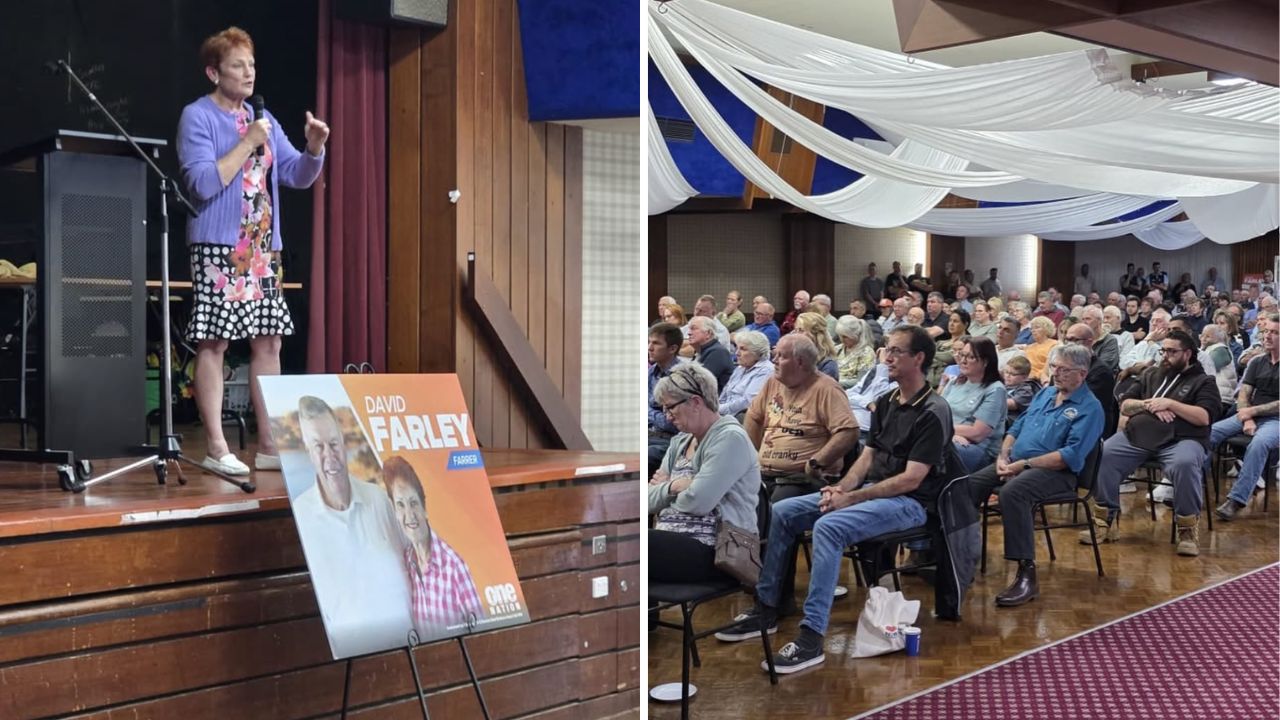
At the same time, One Nation, led by Pauline Hanson, is drawing support from both major parties, particularly the Coalition, as well as from voters who previously backed minor parties and independents.
The results point to a broader shift away from the traditional two-party system.
With the federal election coming up, if current trends continue, Queensland, along with parts of regional New South Wales and other areas, could play a significant role in the outcome.
Image: Instagram