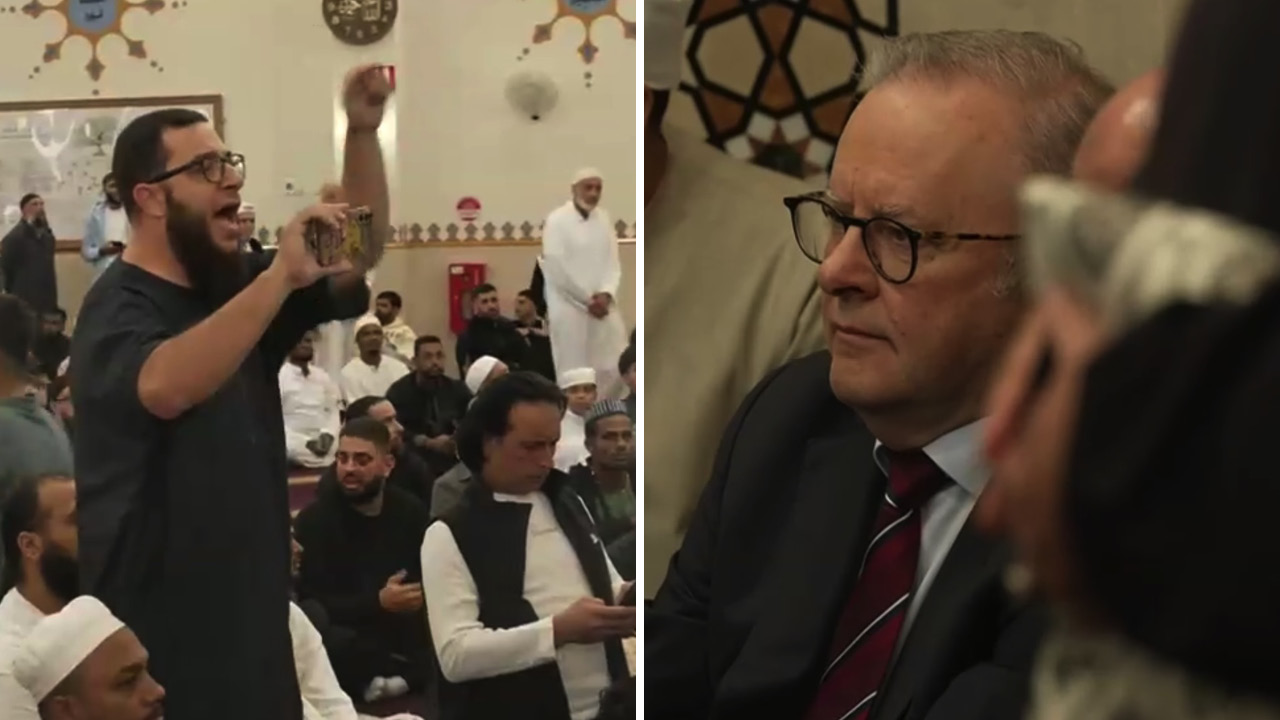
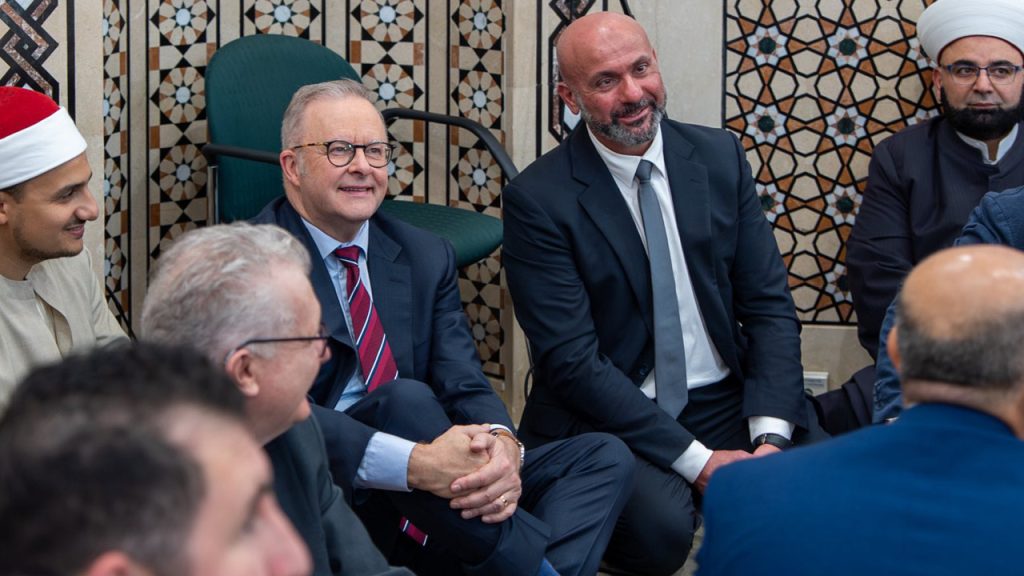
Tensions flared at an Eid prayer event in Western Sydney attended by Prime Minister Anthony Albanese and Home Affairs Minister Tony Burke, with a small number of people in the congregation calling for the politicians to be removed from the Lakemba mosque.
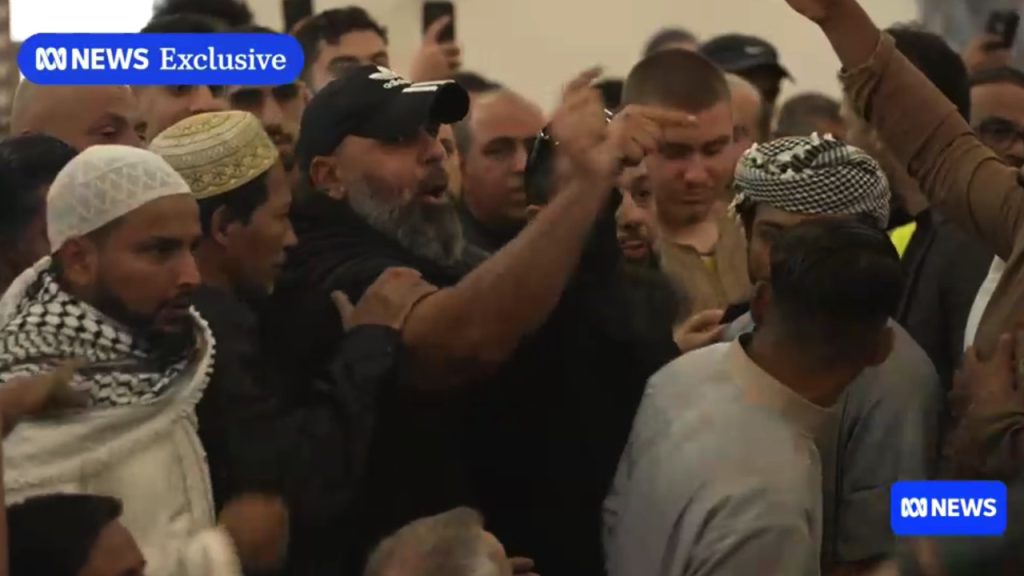
Mr Albanese and Mr Burke, whose electorate includes Lakemba, were seated as heckling began during a speech delivered after prayers marking the end of Ramadan. Voices could be heard calling out, “boo Tony Burke, boo Albanese”, “genocide supporters”, and “get them out of here”. At the same time, other attendees appeared to offer the pair a warm welcome. The speaker asked the crowd to stay calm before continuing, while many people remained seated.
One attendee shouted, “You called him honourable, he’s responsible for the deaths of 1 billion people, 1 billion of our brothers and sisters,” followed by, “You don’t represent us anymore.”
Both politicians stayed until the speech concluded, then were escorted out of the Lebanese Muslim Association-run mosque.
Lebanese Muslim Association secretary Gamel Kheir defended the decision to invite the leaders, while acknowledging it would anger some community members who feel increasingly frustrated and alienated amid a rise in Islamophobia. “This is controversial in trying to get the prime minister to a sacred place like a mosque, I appreciate that,” he said. “But there has to be a way where you have access to government in order to express the anger.”
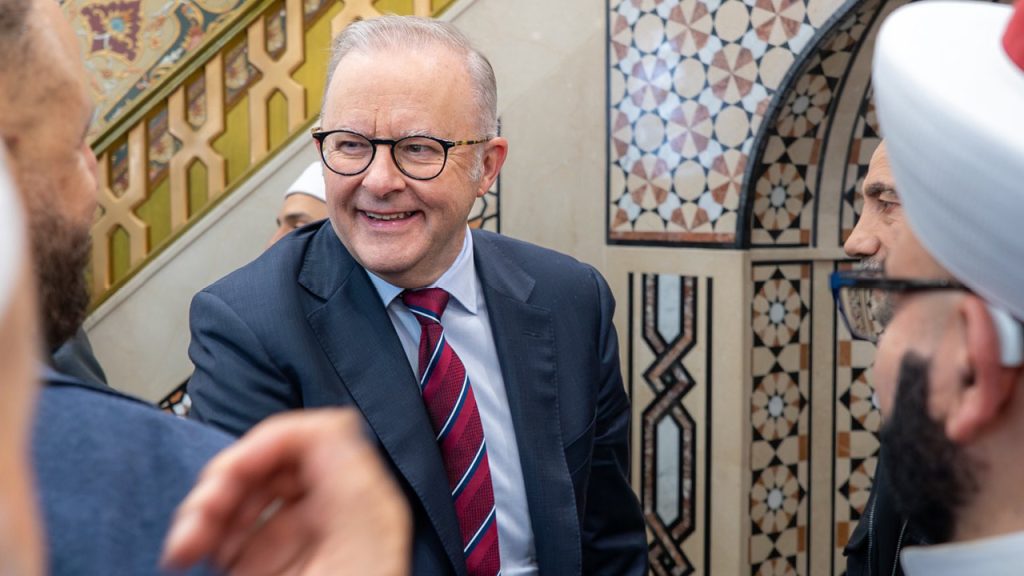
Mr Kheir said the visit was not staged as a photo opportunity but as a chance for the prime minister to hear community concerns. He also noted the Lakemba Mosque has received several threats in recent weeks, including one that named him directly. “I believe he saw first hand the fact that there is a very much divided and angry community over what’s happening,” he said.
In a separate statement, the Lebanese Muslim Association said Mr Albanese was welcome at the prayers and signalled it would keep its doors open. “We understand emotions are high, particularly given the ongoing suffering in Gaza and the devastation in Lebanon. These are not distant issues for our community,” the statement read. “But we also need to be clear. Choosing to engage with the elected leadership of this country is not a betrayal of those concerns. It is how we give them a voice.”
The disruption reflects a broader divide over whether politicians should attend Ramadan and Eid events held in places of worship. Mukhlis Mah, a member of the Stand for Palestine group, was among those protesting. In a video posted after the incident, he said: “The question we need to ask ourselves is why are they there in our sacred places in our sacred times, put up the front smiling for photos?”
Similar protests have occurred at Eid events in previous years, and the debate continues within the Muslim community, with some viewing political attendance as a sign of recognition and progress, while others see it as inappropriate in a sacred setting.