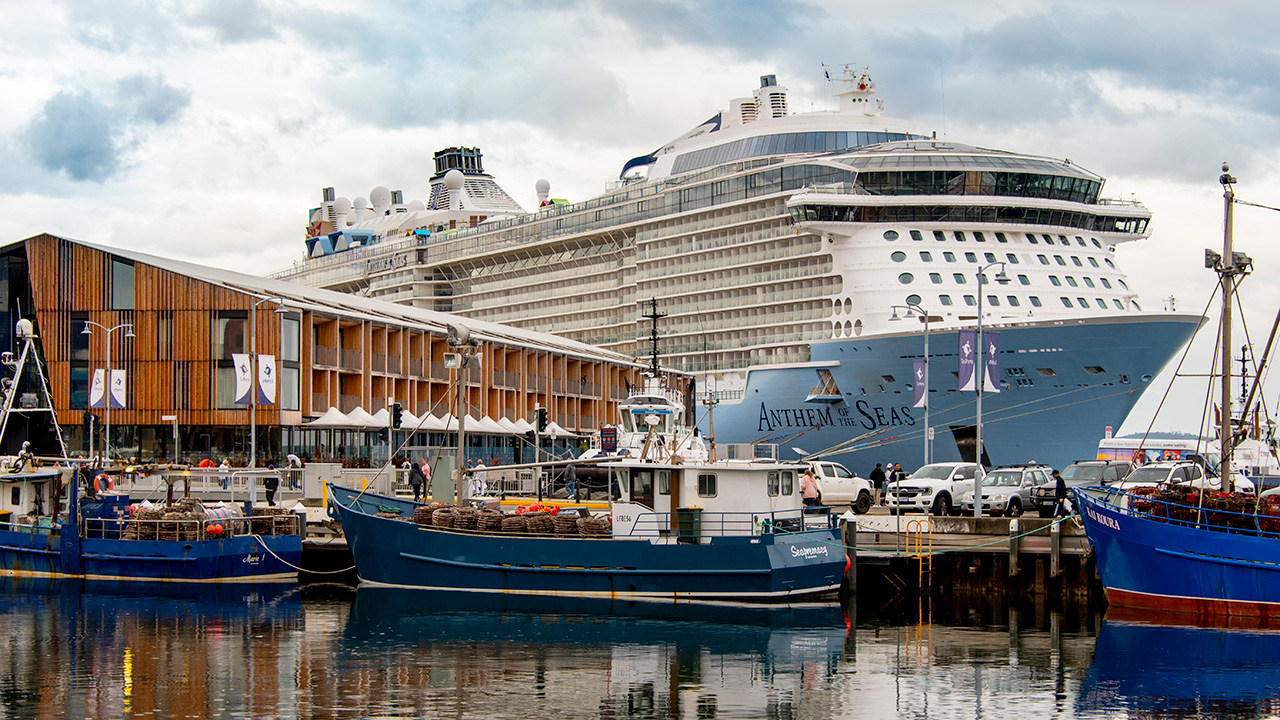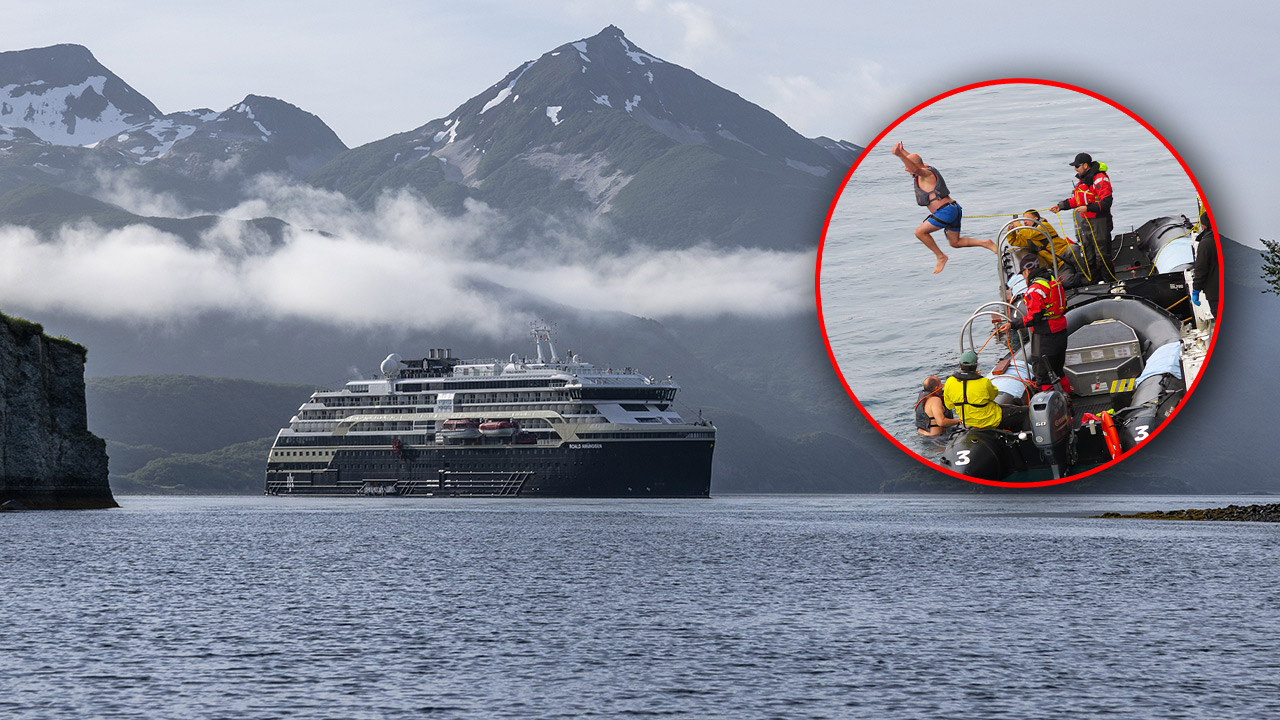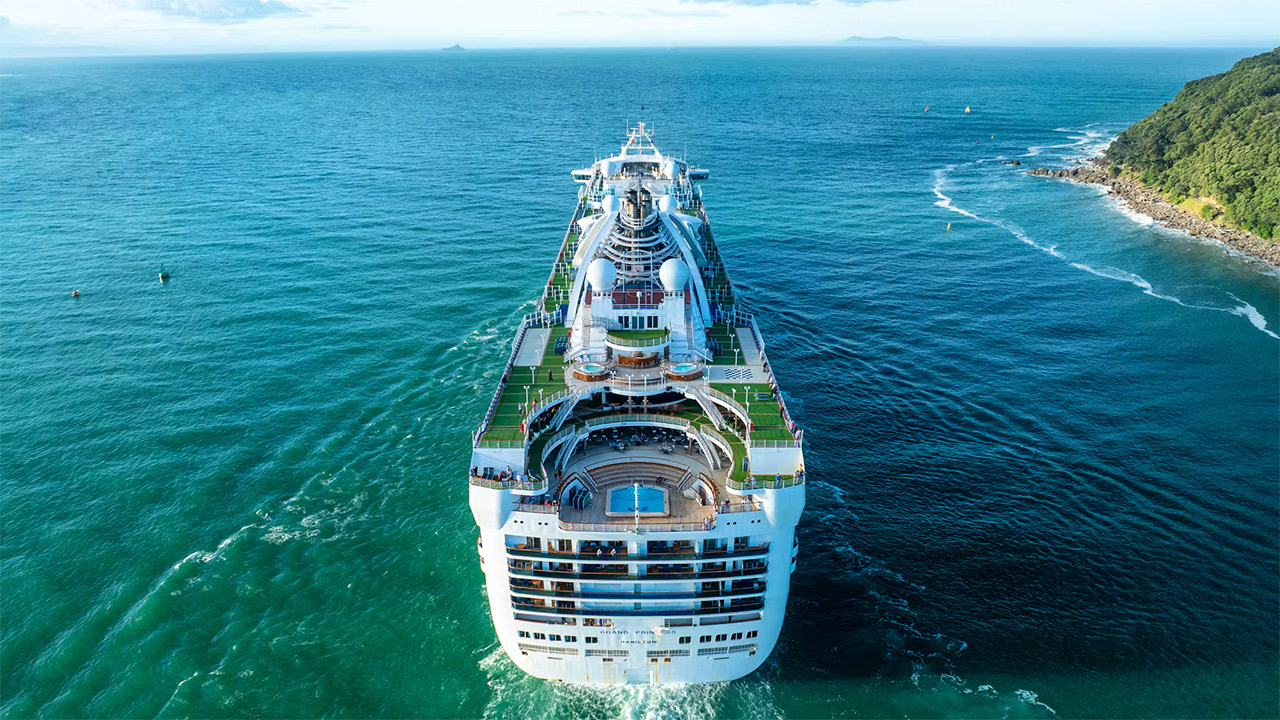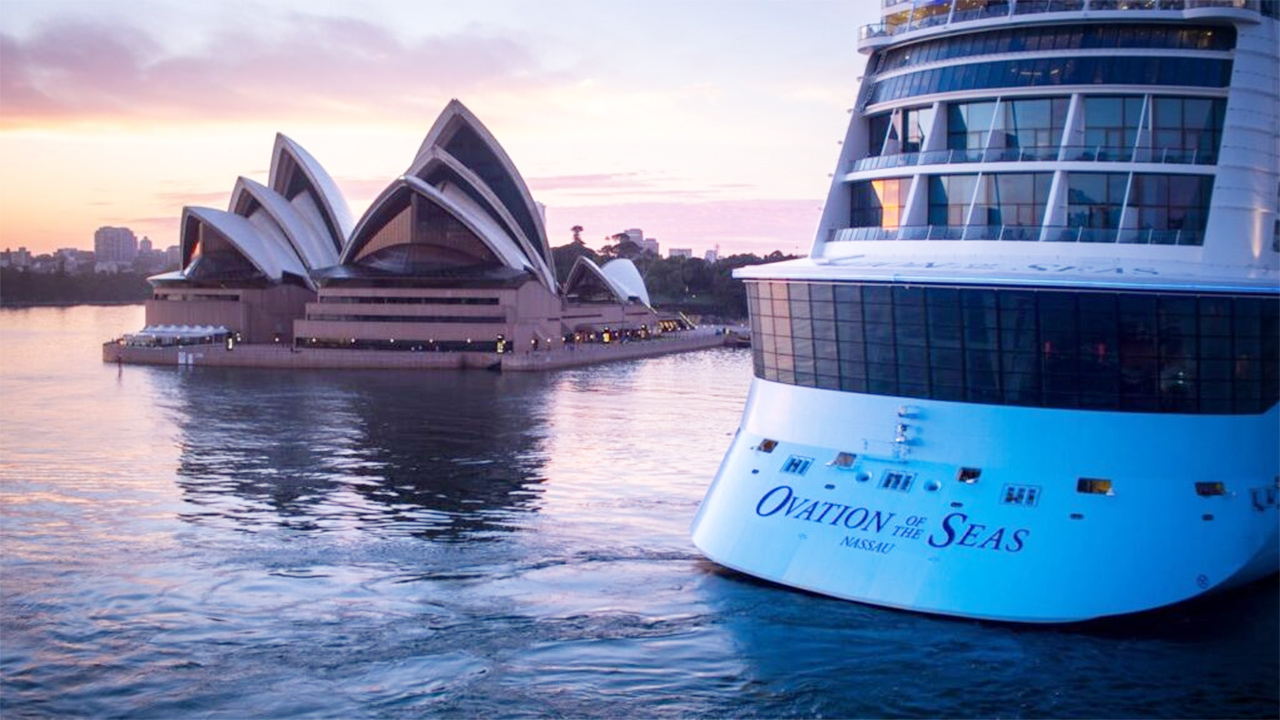
November is the slim window each year when ships that have spent the back half of the year sailing around Asia turn south for Australia, and that narrow calendar is exactly why the fares drop. Travellers who book into that existing queue, rather than waiting for a cruise route that happens to suit them, are the ones who come away with the better price.
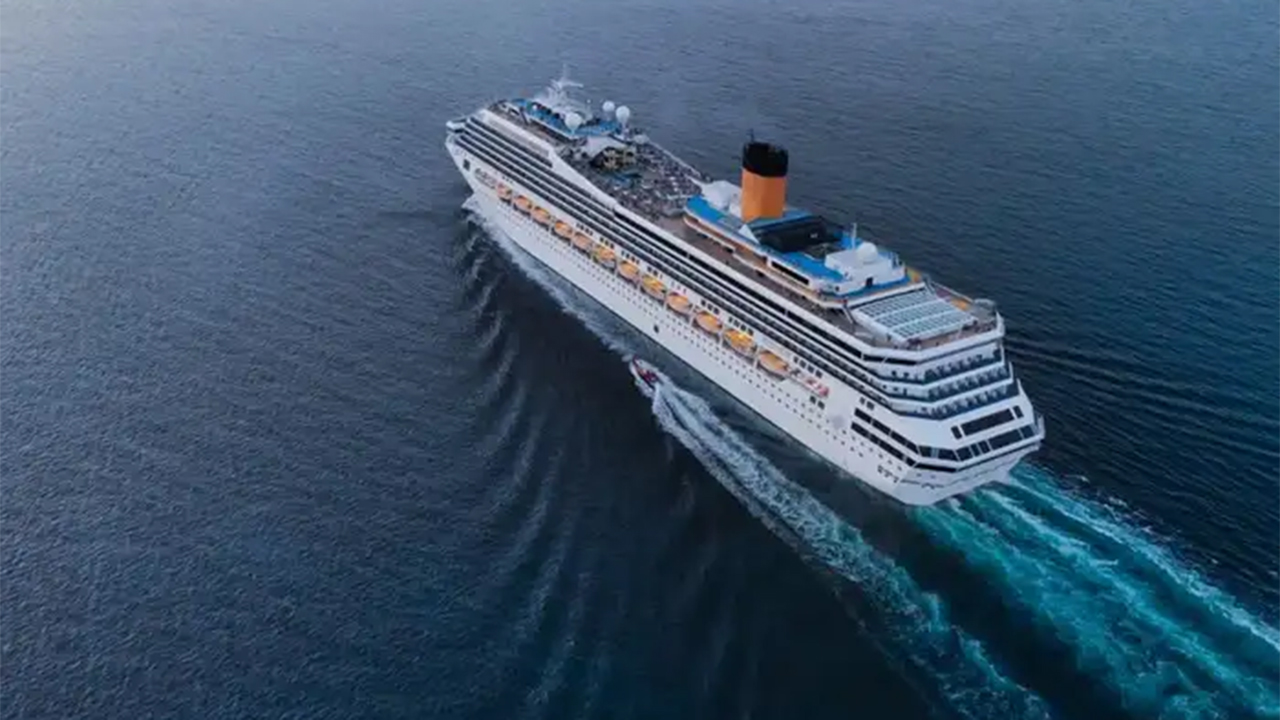
Repositioning cruises exist because ships follow the sun, moving once or twice a year as cruise lines chase seasonal demand between regions. Asia-to-Australia relocation sailings typically run in October, November and into December, before the ships turn around again – Australia-to-Asia departures usually leave in February or March, Australia-to-Hawaii in March or April, and Hawaii-to-Australia in September or October. Schedules shift from year to year and line to line, so treat those windows as a guide rather than a promise. For anyone eyeing a November sailing, though, this is the exact moment that trip shape is on the market.
Fares quoted across cruise lines and Australian agents for a two-week-plus Asia-to-Australia crossing generally start around $1,650 per person, twin share, in the lowest cabin category, climbing toward $3,500 depending on the ship and the line. Fly into an Asian hub, board once, and disembark directly at an Australian home port – no repeat packing, and minimal walking beyond the ship itself. It suits experienced cruisers after a long ocean crossing with genuine sea days built in, rather than a schedule of a new port every morning.
Why the sea days are the whole point
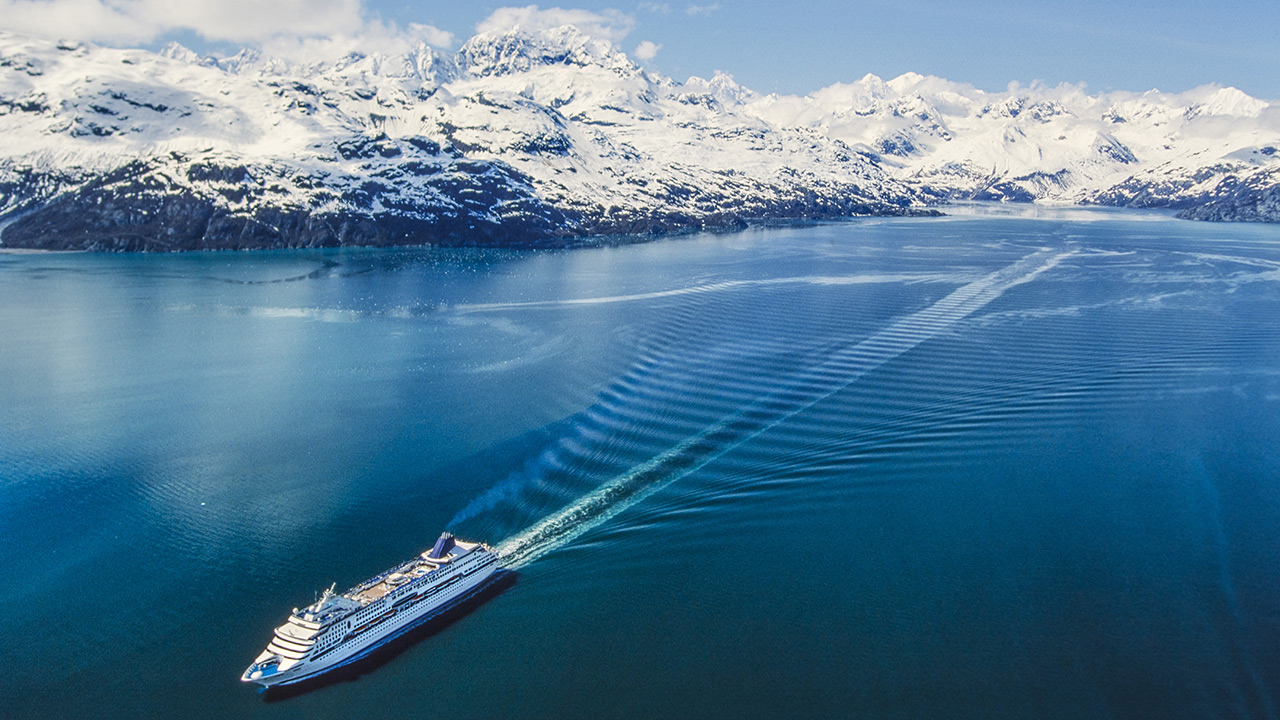
Port calls bunch up at either end of a repositioning voyage, leaving the middle stretch given over to open water. Days fill with pool time, the spa, a rotation of restaurants and bars, and evening entertainment rather than shore excursions. “Repositioning cruises sound like the travel world’s best-kept secret – days at sea, fewer crowds, and prices that make you do a double take,” Retirement Travelers said in a 2026 video on the trend.
Cruise Guru frames the appeal in blunter terms, describing a repositioning sailing as one that “can replace” a long-haul international flight “with easy days at sea and calls into memorable ports.” Celebrity’s own marketing for its repositioning routes leans into the same slow pace, inviting travellers to “top up your tan by the sparkling pool” or “unwind in the beautiful spa” across the crossing days – language worth reading as a sales pitch rather than a guarantee of what any single sailing delivers.
What the advertised fare leaves out
Indicative fares shown by cruise lines and booking aggregators are per person, twin share, in the lowest cabin category, and exclude any line or agency promotions, group rates or further discounts. For a sense of what repositioning pricing looks like elsewhere in the world, a 14-night Barcelona repositioning sailing on Celebrity Eclipse departing November 2026 starts at roughly $2,150 per person with taxes and fees included, while a 16-night Spain-to-Argentina sailing on Celebrity Equinox the same month starts at around $3,230 – different routes to the Asia-Australia run, but a useful guide to how these crossings are priced.
Budget on top for single supplements, gratuities, drinks packages, and any flight or hotel needed to reach the embarkation port – none of it sits inside the advertised from-price. Whether taxes are already bundled in or added separately depends on the cruise line, so it pays to ask before comparing two quotes side by side.
Who is actually running these routes
Royal Caribbean, Princess, Celebrity, Cunard, Holland America, Norwegian and Azamara all schedule repositioning itineraries, with Royal Caribbean and Princess the most commonly booked on Asia-Australia and Pacific routes. Australian agent Cruise1st lists 58 repositioning sailings across Transpacific, South East Asia and Australia categories, using Sydney, Brisbane, Melbourne and Perth as starting or arrival ports. CruiseAway lists 66 repositioning sailings from Australian ports, including 13 Transpacific and 43 South East Asia routes, with Singapore and Sydney the most common arrival points. Cruiseco specialises further again, running dedicated transpacific, Asian and trans-Indian Ocean repositioning journeys for Australian travellers, with separate 2027 guides already published for sailings from and to Australia.
Both Cruise1st and CruiseAway offer a Best Price Guarantee and can bundle flights, hotels, tours and transfers into a single Australian-booked package, which takes some of the guesswork out of pricing a trip that otherwise involves several separate bookings.
Booking the window, not the discount
For a November 2026 Asia-to-Australia sailing, December and January are the months to book, while the new-year Asia sales are running. Repositioning sailings happen only once or twice a year per ship, so cabin choice on the sailing you want narrows fast once the season opens.
The trade-off is real: fewer ports than a standard itinerary, and weather windows on open-ocean legs that can shift without much notice. Solo travellers should expect a supplement on top of the advertised twin-share fare, with the exact figure confirmed at the time of quote. Travel insurance matters more here than on a typical cruise, given the open-ocean stretches and the limited options to disembark if something goes wrong – check any policy covers cruise-specific and missed-port cover, plus medical evacuation at sea.
Confirm before you book: fares, sailing dates and inclusions move, and the numbers here are a guide to what is on the market now rather than a locked-in price.
There is something to be said for a holiday that ends with the ship easing into an Australian harbour rather than a flight home to brace for – an ocean crossed slowly, on its own clock, with nowhere else to be until the gangway goes down.