Somewhere on the Cruise Critic forums sits a post from a cruiser with nine words that say everything: “Hi, I am new here, I never Cruised.” Within hours the replies rolled in, and every veteran who answered asked the same four questions – where do you want to go, when can you travel, what is your budget, and how many cabins do you need. Not one of them asked which ship looked nicest in the brochure photos.
That is the mistake most first-timers make. They start by scrolling glossy decks and pool shots before anything else is settled, then wonder why the choice feels impossible. Work through six decisions in the right order instead, and the right cruise tends to pick itself.
Start with where you actually want to go
Destination comes first because everything else hangs off it – the flights and transfers to reach your departure port sit outside the cruise fare entirely, and those costs need to be worked out before you compare one itinerary against another. A cruise departing from a city you can drive to is a very different proposition, cost and effort-wise, to one that needs a domestic flight first.
Pick the cruise line before you pick the ship
Once the region is settled, choose the cruise line rather than the ship. Cruise lines differ in onboard style, in how dining is structured and in the general age mix of the passengers aboard – matching the line to how you actually like to travel matters more than matching a single ship to a single itinerary. This is also why veteran cruisers answering newcomers online ask about travel style before they ever mention a ship by name.
Let the ship narrow itself down
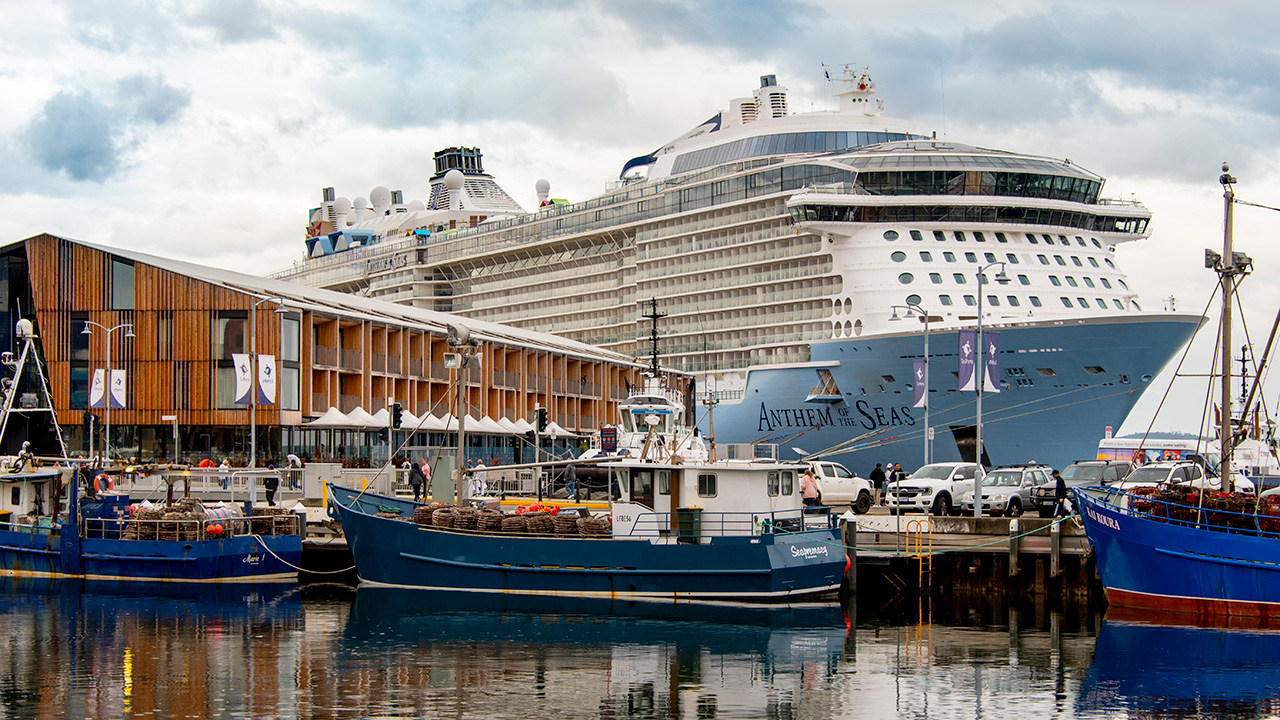
With a cruise line chosen, the list of ships shrinks fast. Queensland-based first-timers have an easier run of it this year, with Quantum of the Seas back operating out of Brisbane for another season. It puts a large Royal Caribbean ship within reach without an interstate flight simply to join, and shorter sailing lengths are available locally for anyone wanting to test the format before committing to something longer.
Choose the cabin for comfort, not just the view
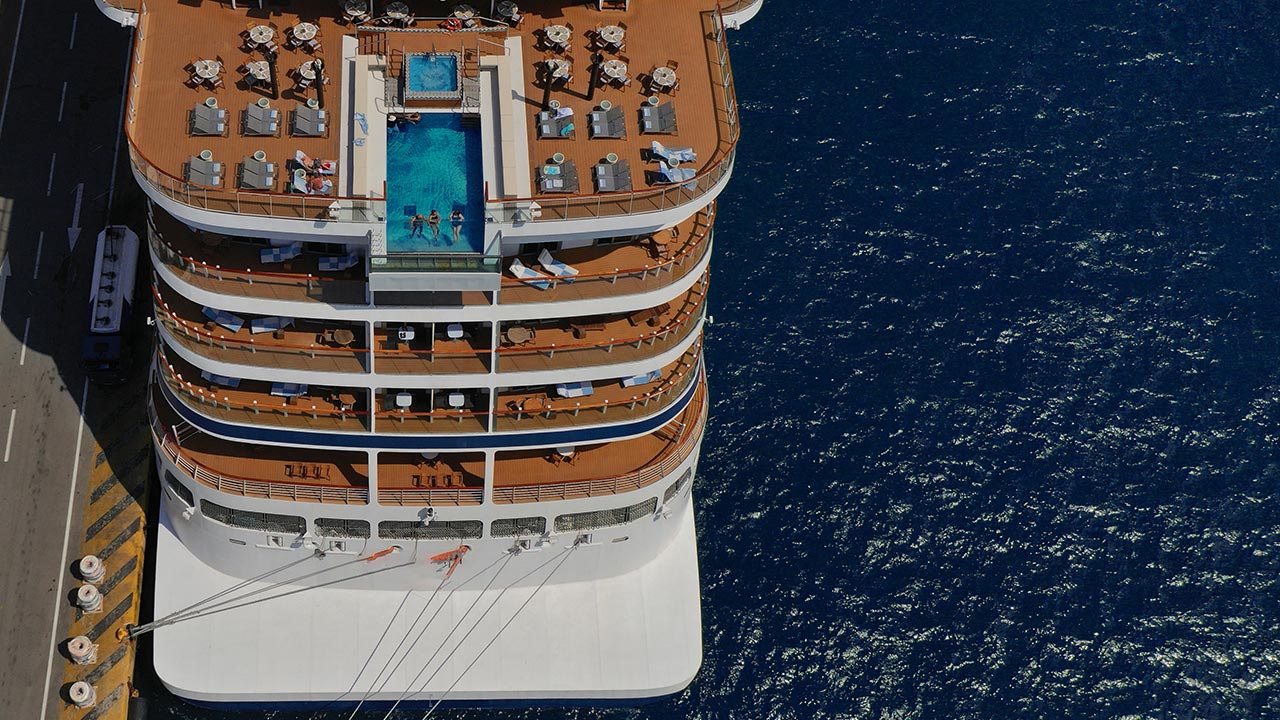
Cabin categories run from interior through to balcony, and the real decision is what matters more to you – budget or natural light – before you start browsing specific ships. Position matters just as much as category. Cabins low and midship feel the least motion at sea, because the bow and stern move more than the centre, and upper decks move more than lower ones. “We normally stay mid and low and yes that is the economical way to cruise but it’s also the area of the ship where you’re gonna feel the least motion,” cruiser ParoDeeJay said on a cruising forum.
Cabins at the rear of the ship can carry their own surprise. “The table will shake and the water glasses will shake well your cabin shakes if you live on the back of the ship as well,” ParoDeeJay said, describing the vibration and thruster noise that can come with lower aft cabins when a ship is arriving at or leaving a port – something no deck plan will tell you.
Keep the first sailing short
A short cruise of a few days is the commonly recommended length for a first attempt, simply because it limits both the money and the time at stake if the format turns out not to suit. A longer first cruise is a bigger commitment to walk back from if it is not for you.
Book early rather than late
Cruise lines typically release new sailings for sale around two years ahead of departure, and prices tend to climb as cabins fill rather than drop closer to the date. “By booking a cruise one or two years in advance you’re going to get the best possible prices,” Royal Caribbean Blog said. Pricing also moves with demand, so the same cabin category can carry a different price on two different departure dates for the identical itinerary – waiting rarely means a late bargain, it usually just means fewer cabin choices left.
What the advertised fare leaves out
The fare you see quoted is a per-person price based on two sharing a cabin, so check how your chosen cruise line prices single occupancy before putting two lines side by side – solo cruisers in a cabin alone generally pay more per person. That headline fare also rarely covers gratuities – the daily service charge added to your onboard account – along with drinks packages, wifi, specialty dining and shore excursions, all of which are add-ons rather than inclusions on most mainstream lines. Confirm with your cruise line or agent exactly what is and is not included before comparing two cruises on price alone.
A cruise bundles accommodation, dining and entertainment onto the one ship, so there is no repacking or changing hotels between ports – the ship does the moving overnight. Lifts, deck access and cabin location vary by ship, so if flat, short walks to your cabin matter to you, confirm the deck and lift proximity with your cruise line before you book. It is also worth checking policy wording, medical cover at sea and cancellation protection with the cruise line or a travel insurer, since terms differ by line and by how far ahead you book.
Follow the six decisions in order and that forum post writes itself a different way next time: not “I never Cruised,” but “I know exactly which one” – which, for anyone who has spent an evening lost in ship photos wondering where to even begin, is the whole point of asking the question properly in the first place.