Choose the wrong cabin on a cruise ship and you can spend a week lying awake to the thump of a nightclub two decks up, no matter how lovely the itinerary looks on paper. Choose well and the whole week settles into something closer to a floating holiday home – short walk to the lifts, steady floor underfoot, a decent night’s sleep. With wave season deals landing in inboxes now, the temptation is to book fast and worry about the room later. That is exactly the habit worth breaking.
Why a guaranteed fare is a gamble, not a bargain
Most cruise lines offer two ways to book a cabin. You can pick the exact room number yourself, or you can take a “guaranteed fare”, where the cruise line assigns you a cabin in that category closer to departure. Guaranteed fares look appealing because they are often cheaper, but they exist largely to fill the cabins nobody else wanted – the smaller balconies, the obstructed views, the awkward corners of the ship.
Gary Bembridge, who writes as Tips For Travellers and has sailed more than 120 cruises, puts it plainly: “It’s like playing the slots – occasionally you’ll win with a great cabin, but most of the time you’ll end up with the dregs.” He still checks deck plans for noise and vibration before choosing a cabin, even after more than a century of sailings.
Here is the part worth knowing before you tick the cheaper box: on several recent Celebrity and Holland America sailings, picking a specific cabin yourself priced the same as a guaranteed fare. The saving was not a saving at all – it was simply a loss of control over where you would sleep for a week.
The middle of the ship rewards you twice over
Cabins near the ship’s pivot point, roughly mid-ship, feel the least movement of anywhere on board, which matters most on sea days and matters a great deal if you are prone to seasickness. That same position usually sits closest to the lifts, the dining rooms and the main theatre, so every trip to dinner or a show is a short flat walk rather than a corridor marathon.
Lauren Mack, who has written for Business Insider after more than 25 cruises, is firm on the point: “I don’t let the cruise line choose my room, as it can result in me being stuck in a cabin near a noisy venue or with obstructed views.” It is advice that holds whether you are travelling as a couple or on your own, since the same rules about position and noise apply regardless of who you are sharing the cabin with.
Aft views are glorious – until the engines start
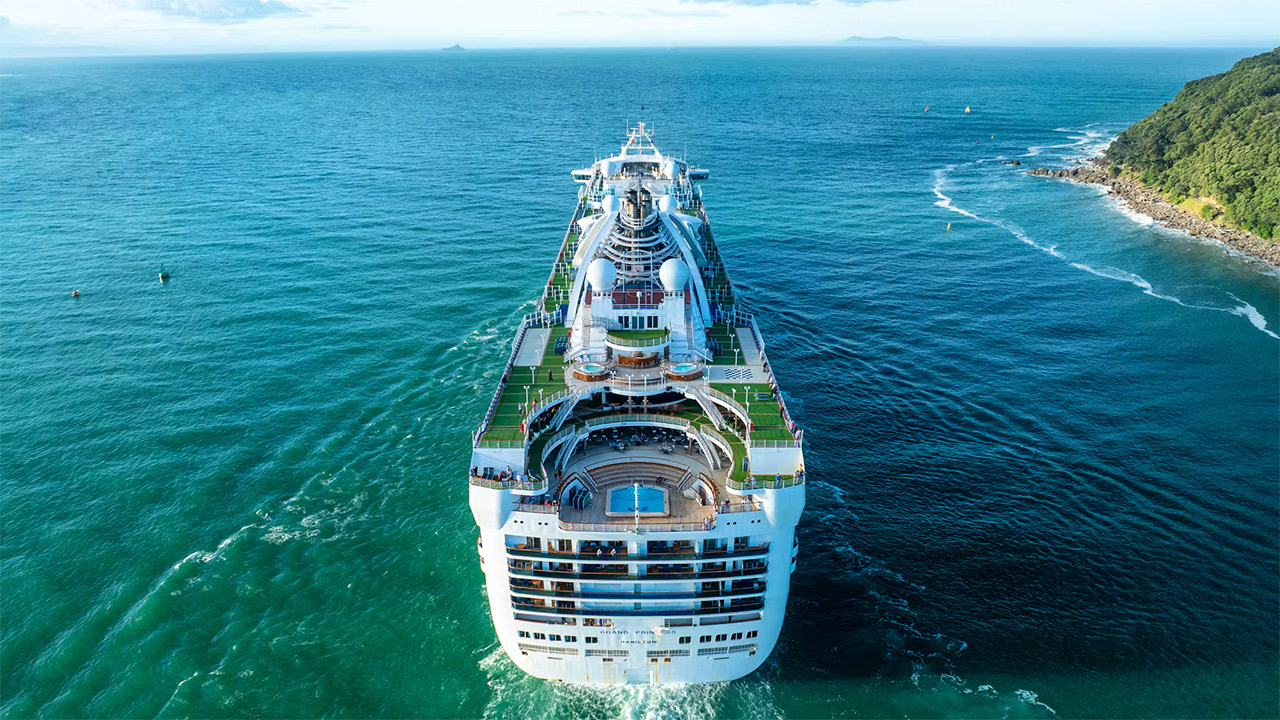
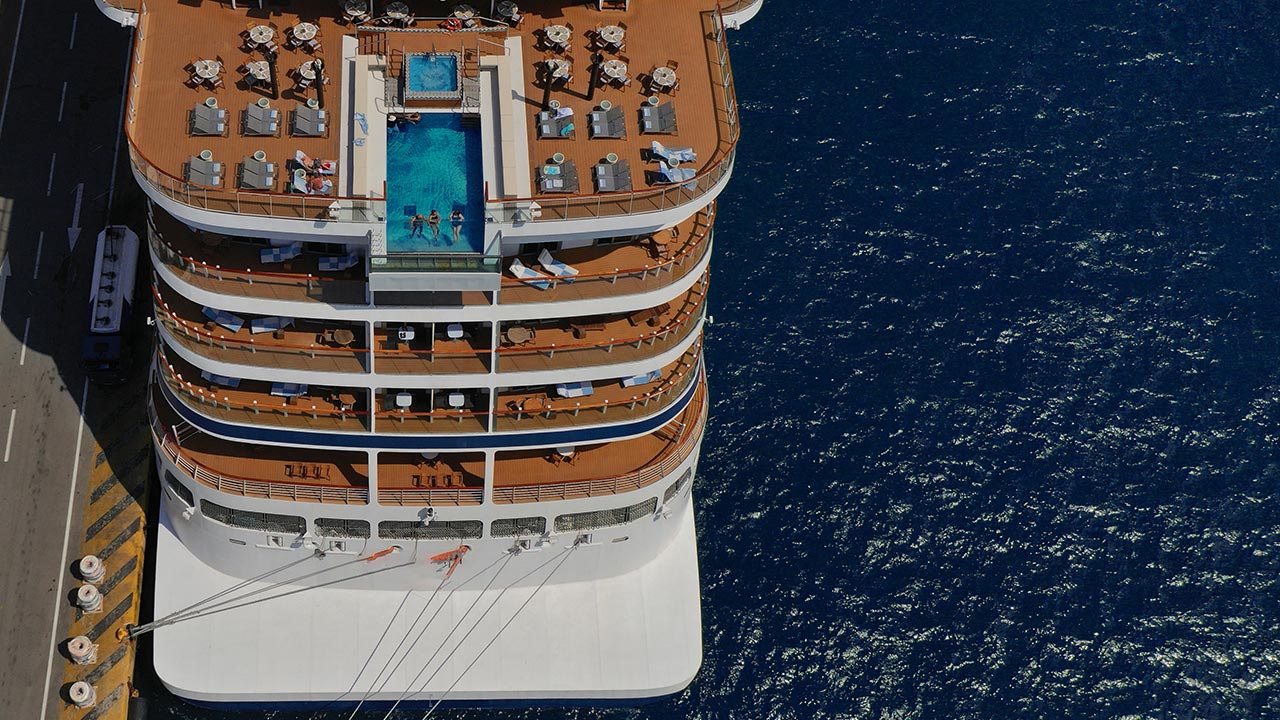
An aft cabin, at the rear of the ship, can deliver the kind of wraparound balcony and departure views that make a cruise brochure worth the paper. Mack took that upgrade on a Western Caribbean Princess Cruises sailing and found the balcony beautiful. She also found the ride rocky on sea days, with engine vibration and noise most noticeable entering and leaving port – a trade-off worth knowing before you book the suite with the big view.
Forward cabins carry their own catch. In ports where the ship anchors offshore rather than docking, the anchor chain runs right past those cabins, and an early-morning arrival can mean an early-morning wake-up whether you asked for one or not.
What is lurking one deck up or down
Even a well-placed cabin can be undone by what sits directly above or below it. A cabin one or two decks beneath a theatre, nightclub or live-music venue runs a real risk of noise pulsing up through the floor long after you have gone to bed. The same problem works in reverse under a pool deck, a sports court or a gym, where daytime thumping can carry down into cabins below.
The safest bet, frequent cruisers say, is a cabin on a deck roughly midway between the busy public decks below – theatre, dining room, casino – and the busy public decks above – pool, buffet, sports deck – surrounded on all sides by other cabins rather than venues. Checking the deck plan for your specific ship before booking is the only way to know for certain what is next door, above and below.
Booking ahead of the wave season rush
Wave season, the traditional January to March window when cruise lines release their deepest sale pricing, is also when the best cabin positions sell first. Booking ahead in October, before that window opens, gives first pick of the mid-ship grades that disappear fastest once the sales officially begin.
Before locking anything in, confirm the exact cabin number at booking rather than accepting a guaranteed fare if position matters to you, and check what happens if the cruise line reassigns your cabin after final payment. Confirm cancellation cover, medical evacuation and any cruise-specific clauses with your travel insurer, and ask about the single supplement on your chosen cabin grade if you are travelling solo. Confirm before you book: fares, cabin grades and sale dates move quickly through wave season, so check current pricing and availability directly with the cruise line or your travel agent.
None of this is about chasing the fanciest suite on the ship. It is about choosing a week where you wake up rested, walk a short way to breakfast, and spend your sea days reading on a steady balcony instead of bracing against the rail – the kind of small, deliberate choice that turns a good cruise into one you would happily book again.