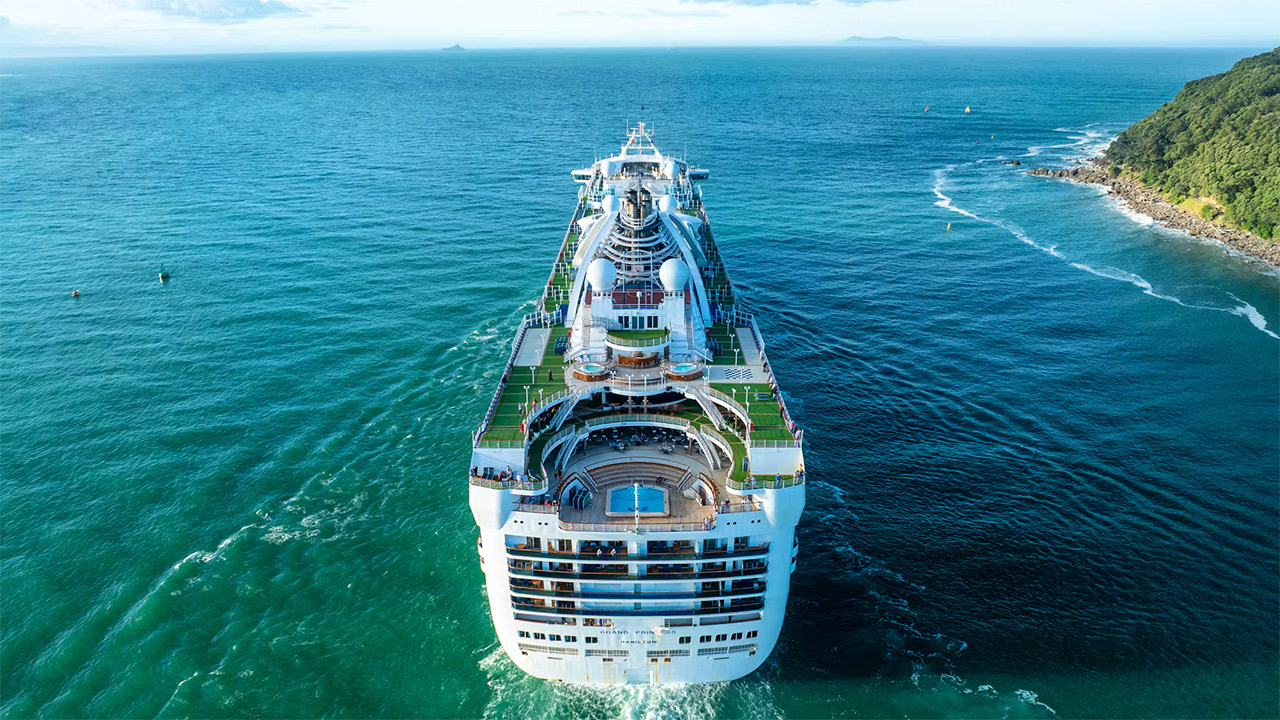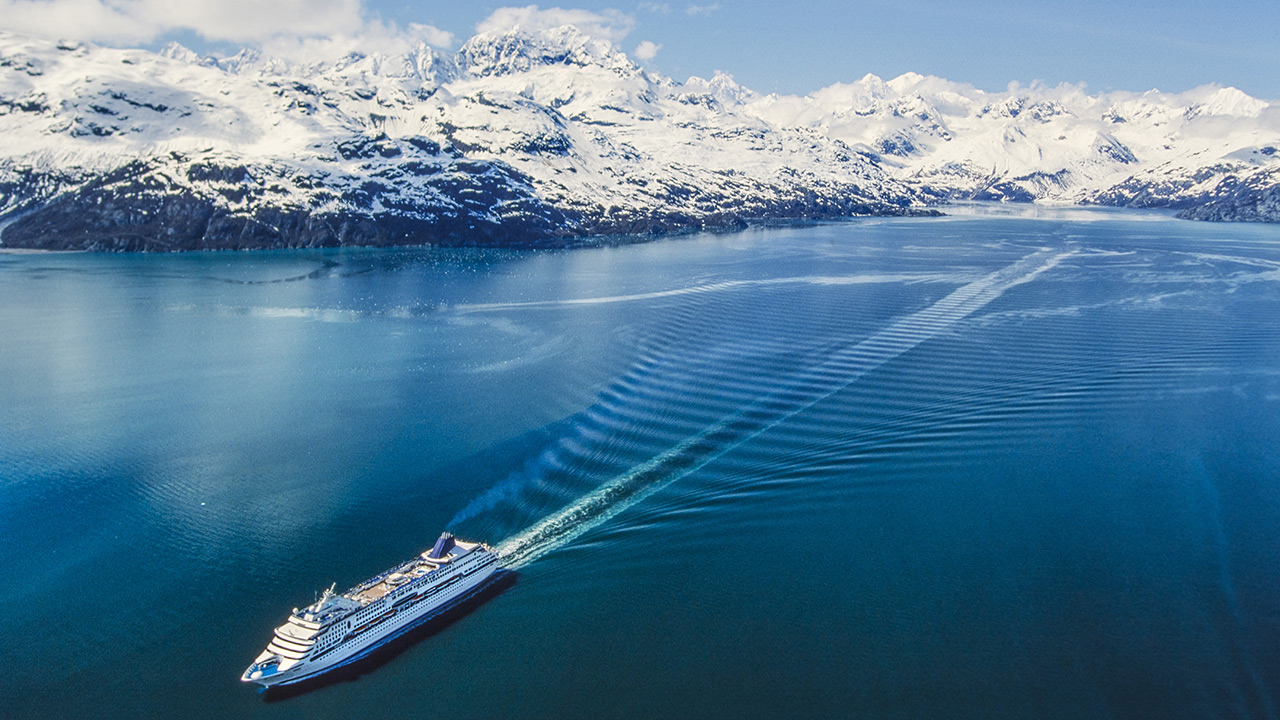
There is a particular kind of day that couples in their 60s and 70s have earned on holiday: no packed schedule, no scramble for transport, just a verandah, a cup of tea and a wall of ice calving into the sea in front of you. That is the promise of a luxury small-ship or premium cruise through Alaska in the summer of 2027, and the catch is that the cabins built for exactly that moment are already being claimed, two years ahead of departure.
Why booking now buys the good seats
Wave season bookings for 2027 Alaska sailings have opened, with early booking bonuses and resident rate discounts attached to current fares across several cruise lines. Alaska’s cruise season runs through the Australian winter, from roughly June to August, which concentrates demand into a short window rather than spreading it across the year.
That compression means luxury and balcony categories sell out well before the mainstream inside cabins do. Travel advisers working on Alaska itineraries suggest locking in choice by early-to-mid 2026 for a 2027 sailing, which sounds early until you consider the alternative is settling for whatever cabin category is left.
The route that matters more than the ship
Not every Alaska cruise sees the same scenery, and this is where couples often get it wrong. A seven-night roundtrip from Seattle typically loops through the Inside Passage, calling at Sitka, Skagway, Juneau and Victoria in British Columbia, with plenty of scenic cruising between ports.
A one-way sailing between Vancouver and Seward or Whittier, by contrast, pushes further into the Gulf of Alaska and brings Hubbard Glacier into the itinerary, alongside Ketchikan, Icy Strait Point, Sitka and Skagway. Cruiseco, which packages Alaska fly-cruises for Australians, notes that one-way itineraries are common in Alaska specifically because overland access to many ports simply does not exist. For couples chasing the glacier, not the loop, the one-way route is worth the extra transfer.
What it actually costs
Fares for a standard seven-night sailing on the big mainstream cruise lines span a wide range, roughly $770 to $7,700 a person, which is largely the gap between an inside cabin on a mass-market ship and a verandah suite near the top of the market. Royal Caribbean’s current online pricing lists a seven-night Seattle roundtrip sailing on the Quantum of the Seas in May 2027 from about $1,300 a person, taxes and fees included.
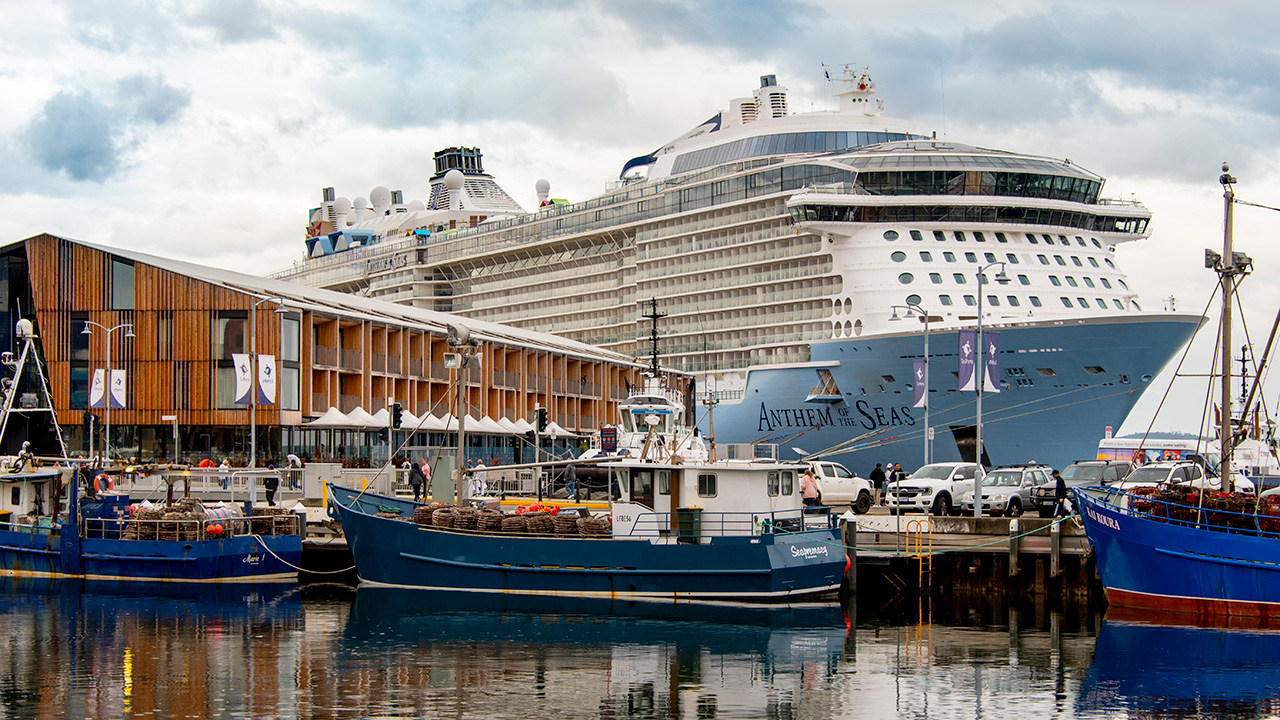
A seven-night northbound sailing from Vancouver to Seward aboard the Anthem of the Seas, bundled with land touring and hotel nights, is listed from about $1,180 a person on Royal Caribbean’s site. Neither is luxury pricing. For genuine small-ship luxury, TripADeal currently offers a 19-day Luxury Seabourn Alaska Experience aboard Seabourn Encore, bookable from Australia with Qantas Points attached to the fare, though the operator does not publish a headline starting price in its current listing.
Choosing a ship built for the scenery
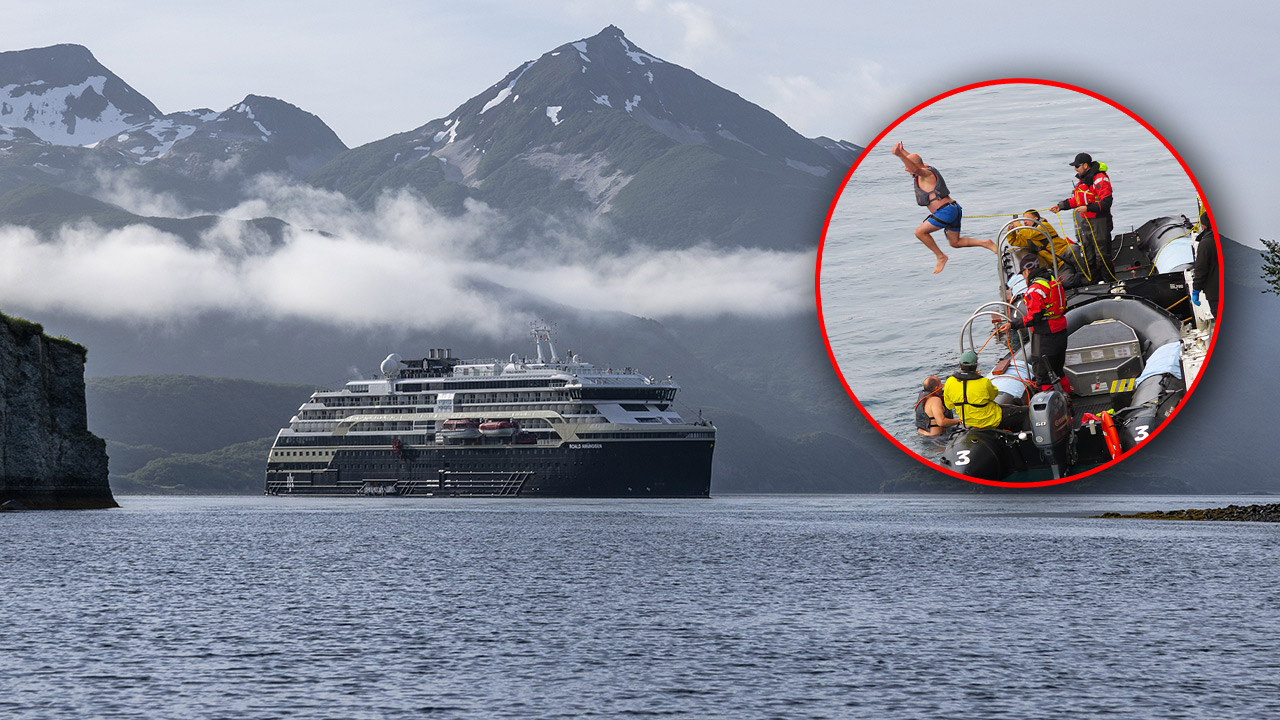
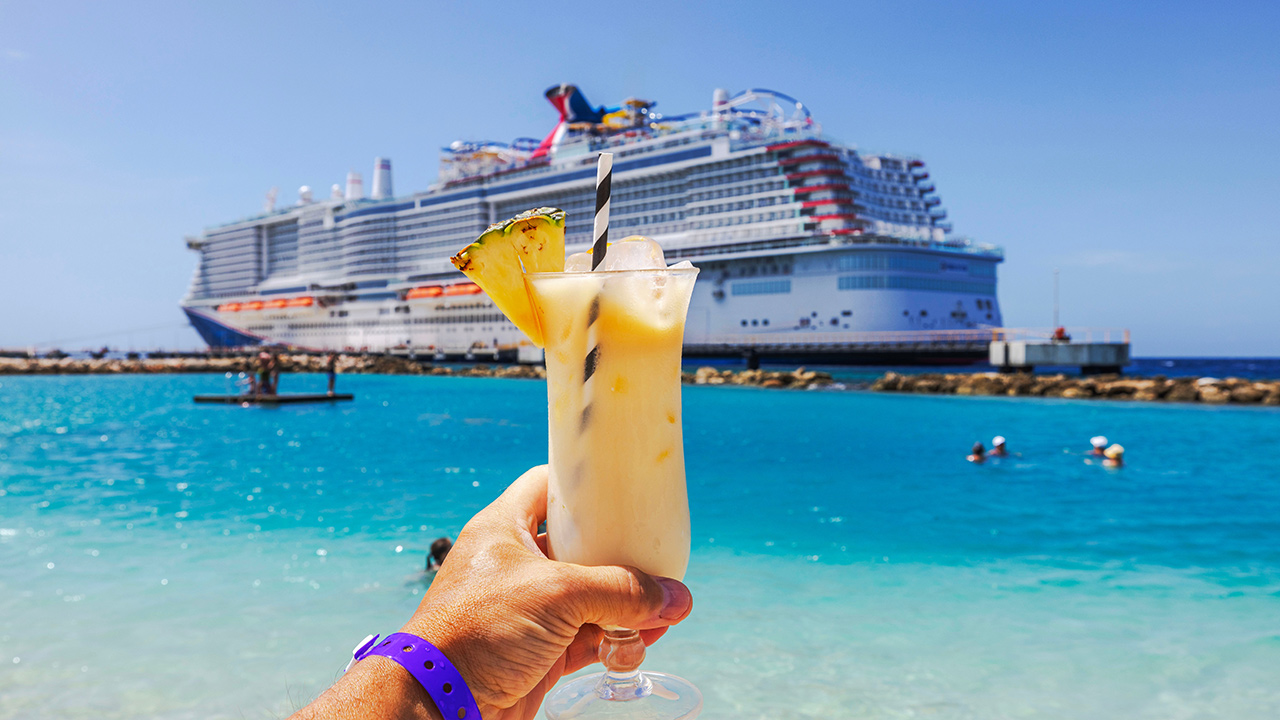
Norwegian Cruise Line markets what it calls the youngest fleet sailing Alaska, with ships purpose-built for glacier and fjord access from Seattle, Vancouver and Whittier. Seabourn’s small-ship itinerary goes further still, offering Zodiac landings near Hubbard Glacier rather than viewing it purely from the rail. Carnival sails the coastal panhandle through Ketchikan and Skagway on a larger, more mainstream scale, useful context if a couple is weighing ship size against cabin price rather than itinerary alone.
Life on board, and ashore if you want it
Norwegian describes the appeal of Alaska simply: “life slows down and every moment feels sharper – from the call of a bald eagle to the splash of a breaching whale.” Shore time is genuinely optional on these itineraries, and glacier viewing at Hubbard Glacier or Icy Strait Point can be done entirely from the ship’s deck if that is the pace a couple prefers.
For those who do want a morning ashore, the historic White Pass train climbing above Skagway and a dog-sledding excursion on Mendenhall Glacier are among the standout add-ons, though both are sold separately from the cruise fare. Alaska itself is a vast backdrop for all this: Flight Centre describes it as covering more than 1.7 million square kilometres, larger than Texas, California and Montana combined, with a population of around 750,000 people, fewer than live in Canberra.
What to know before you lock in dates
This is not a quick escape. Flights to Vancouver or Seattle plus the cruise itself mean a minimum of two weeks away from home, closer to 14 days once pre and post-cruise hotel nights are counted. Shore excursions, gratuities, drinks packages and those hotel nights all sit outside the headline cruise fare and can add considerably to the final bill.
Comprehensive travel insurance covering medical evacuation is essential given how remote Alaska’s ports are and how far they sit from Australia, and it is worth arranging as soon as a booking is confirmed rather than closer to departure. Single supplements on premium and luxury sailings are common too, often adding 50 to 100 per cent to the per-person fare, which is one more practical reason this trip suits a couple travelling together. Even Carnival’s own marketing carries a gentle warning worth heeding: “even in the mild summer season, you should still pack your sweater.”
Confirm before you book: fares, cabin availability and included extras shift regularly across all these cruise lines, so check current pricing and itinerary details directly with the cruise line or travel agent before committing.
Two years feels like a long time to wait for a holiday, until you picture the actual moment it is buying: the ship gone quiet, a wedge of blue ice folding into the water, and nothing left to do but watch it happen together.