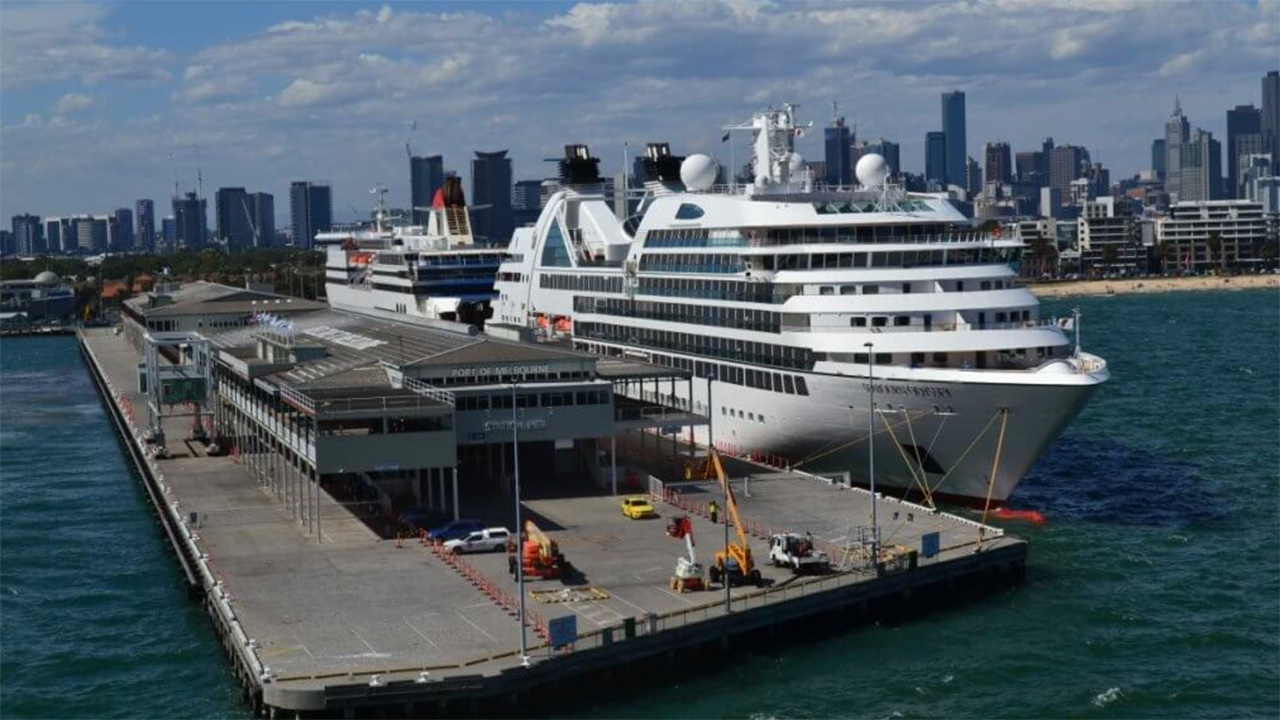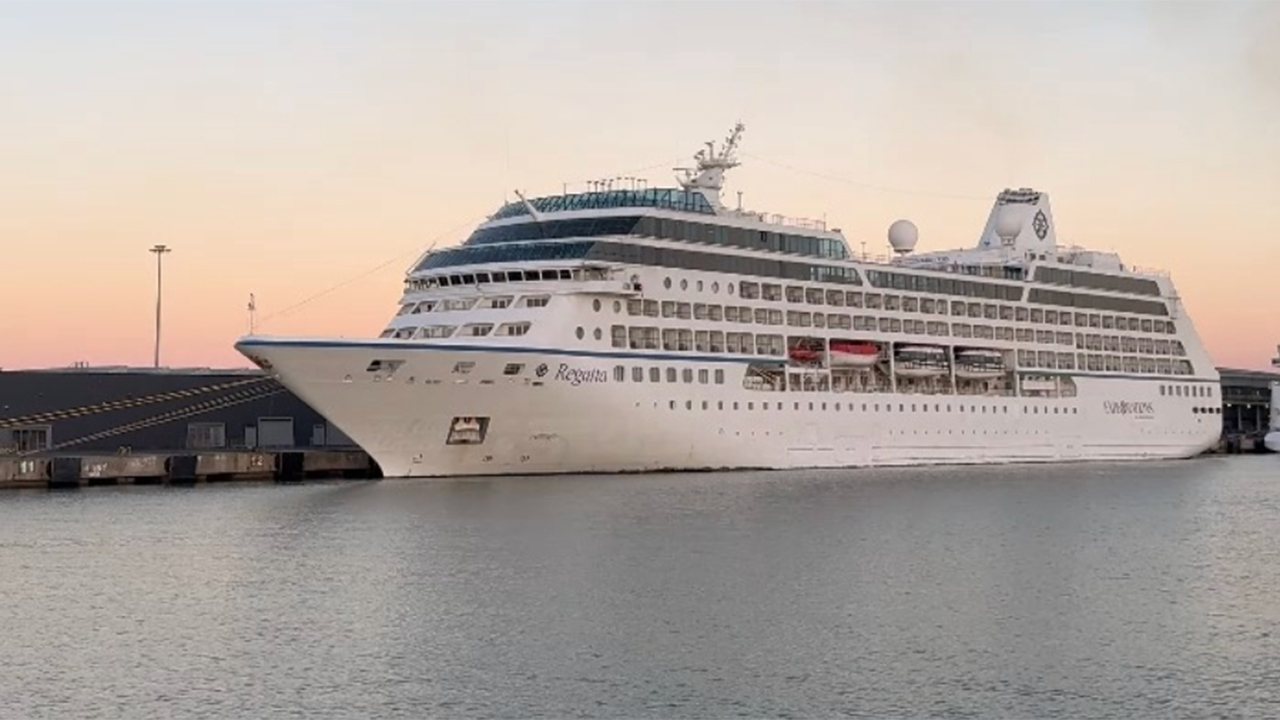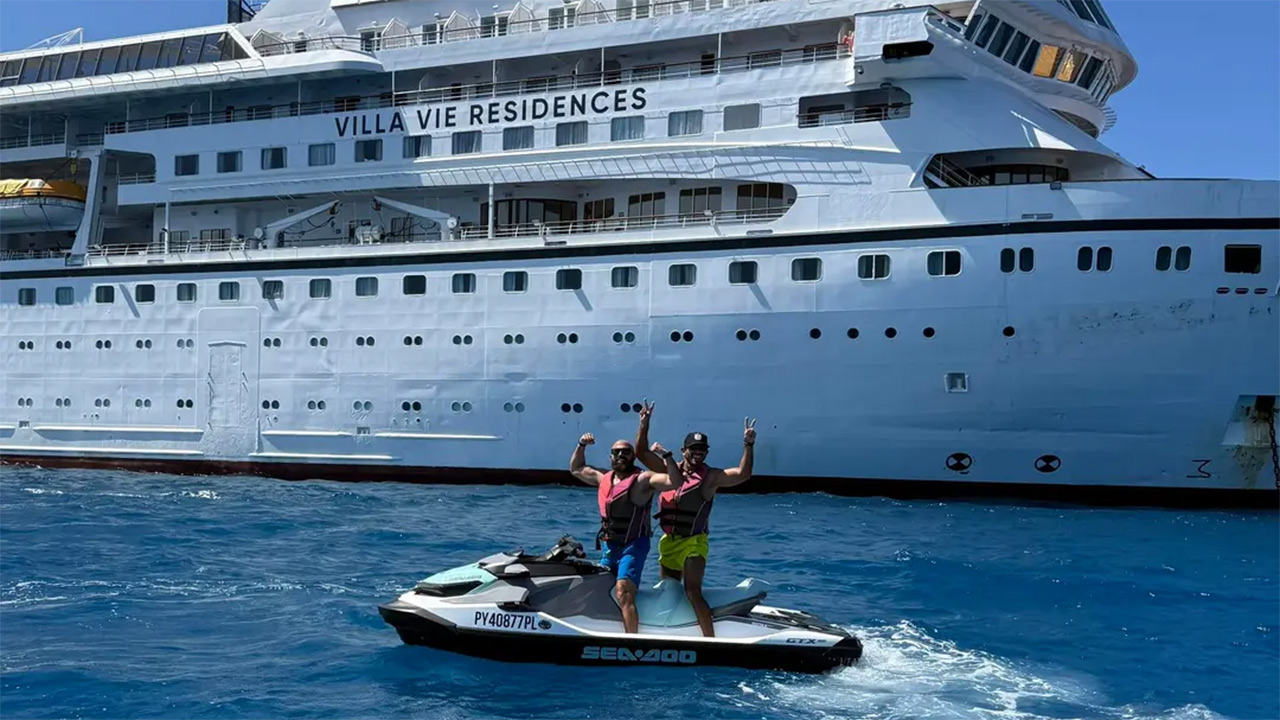
It was supposed to be the retirement adventure of a lifetime: sell up, move aboard a cruise ship and spend your golden years travelling the world without ever having to pack another suitcase.
Instead, more than 200 passengers have found themselves stranded in Cambodia after their dream cruise was overwhelmed by soaring operating costs, leaving some retirees without a home and wondering what happens next.
The MV Odyssey, operated by US-based Villa Vie Residences, had been sailing around the world since October 2024, offering passengers the chance to purchase or rent cabins and enjoy a seemingly endless holiday at sea.
But the adventure came to a sudden halt this week when the company announced it could no longer afford to operate the ship, blaming skyrocketing fuel prices caused by the ongoing conflict in the Middle East.
Passengers were reportedly given just seven hours to pack their belongings and disembark at the Cambodian port of Sihanoukville.
“The sudden order to disembark has left many retirees and remote workers homeless thousands of miles from their home countries,” local official Long Dimanche said.
The ship had arrived from Thailand on October 23 carrying 203 passengers and 156 crew members, with Vietnam supposed to be its next destination.
Instead, passengers were left scrambling for hotel rooms, flights and answers.
A retirement dream sinks
For many aboard the Odyssey, this was far more than an ordinary holiday.
The cruise was marketed as an affordable alternative to traditional retirement living, with passengers able to buy cabins for extended periods or even the lifetime of the vessel.
Some had sold their homes and possessions to finance their new lives at sea.
The 200-metre ship offered restaurants, entertainment, a spa, medical facilities and the promise of waking up somewhere new every few days.
But the financial reality of keeping such a vessel moving eventually caught up with its operators.
Villa Vie Residences revealed that monthly fuel expenses per cabin, which previously averaged around US$1,800, had surged to an estimated US$6,000 to US$8,000 in parts of Asia.
The company said it had attempted to reduce costs by slowing the ship and spending longer in port, but those measures were not enough.
“The company cannot simply pass increases of that scale on to residents, and the resulting shortfall has placed its current operating model under unsustainable financial pressure,” it said.
‘How much money can you give to save a sinking ship?’
Some passengers say there had been warning signs for months.
American traveller Randy Cassingham, who boarded the ship with his wife Kit in October 2024, said the couple had spent around US$1 million on what they hoped would be at least 15 years of cruising.
“It was great, for a while,” he told AFP.
The couple loved the idea of unpacking once and waking up in a different destination every few days, without the inconvenience of airports.
However, Cassingham accused the company of doing little to assist passengers after they were ordered ashore, claiming they were transported into town without accommodation arrangements.
Fellow passenger Barbara Figiel, 62, said she and her husband had noticed increasingly desperate requests for financial assistance.
“We knew something was going wrong because they kept on asking us for more and more and more money,” she said.
“But it came to a point that how much money can you give to save a sinking ship?”
Despite the disappointment, some passengers insist they have no regrets.
California retiree Carol Larson, 69, paid US$120,000 for her cabin, excluding ongoing maintenance fees, and had been living aboard for around 18 months.
Although she is now stranded in Cambodia, Larson said the experience had been worth it.
“I am so blessed to have been part of the experiment of residential cruising,” she said.
What happens now?
Villa Vie Residences insists it is working to help displaced passengers find temporary accommodation, although some residents have disputed how much assistance they have actually received.
In its official statement, the company acknowledged the enormous disruption caused by the sudden shutdown and said it was exploring ways to rescue the business.
“Our focus now is on supporting residents, crew, and employees while we work toward restructuring and recapitalization over the next 60 days,” the company said.
But there was little reassurance for those hoping to return to their floating homes.
“No financing or transaction has been finalized,” the company admitted, warning that there was no guarantee its rescue efforts would succeed.
Cambodian authorities have suggested the ship could refuel and leave port on October 31, but its operator has not confirmed when, or whether, passengers will be able to return.
For now, some travellers have flown home while others remain in Cambodia, hoping their floating retirement community might somehow be rescued.
And for those who sold everything to embark on the adventure of a lifetime, the uncertainty is particularly cruel.
Their dream was to see the world without worrying about where they would sleep each night.
Now, finding somewhere to sleep is their most immediate concern.