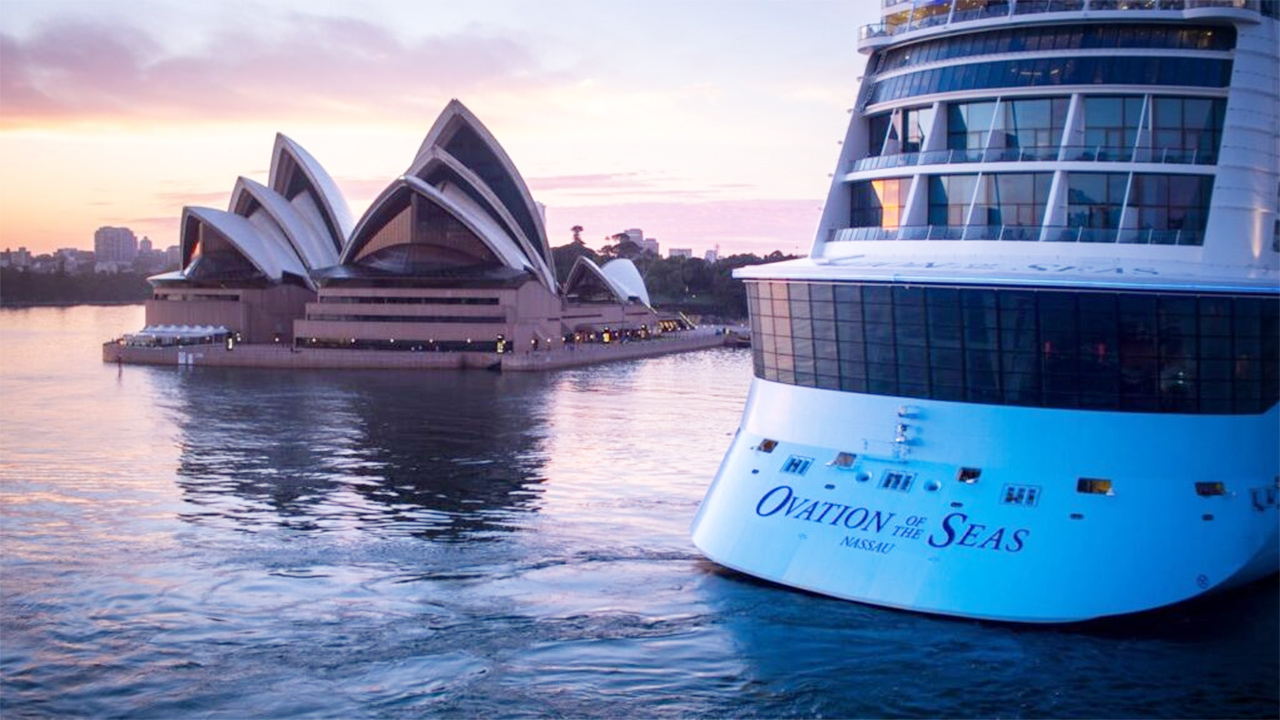
A long weekend used to mean a drive to the coast or a flight you had to book months ahead. These days it can just as easily mean a ship leaving from a terminal you already know, back at the same dock two or three nights later. On the cruise lines we track, 137 sailings of two to four nights leave Australian ports in the next 12 months – and the spread of where they go is worth knowing before you plan around one.
Sydney and Brisbane carry almost the entire schedule
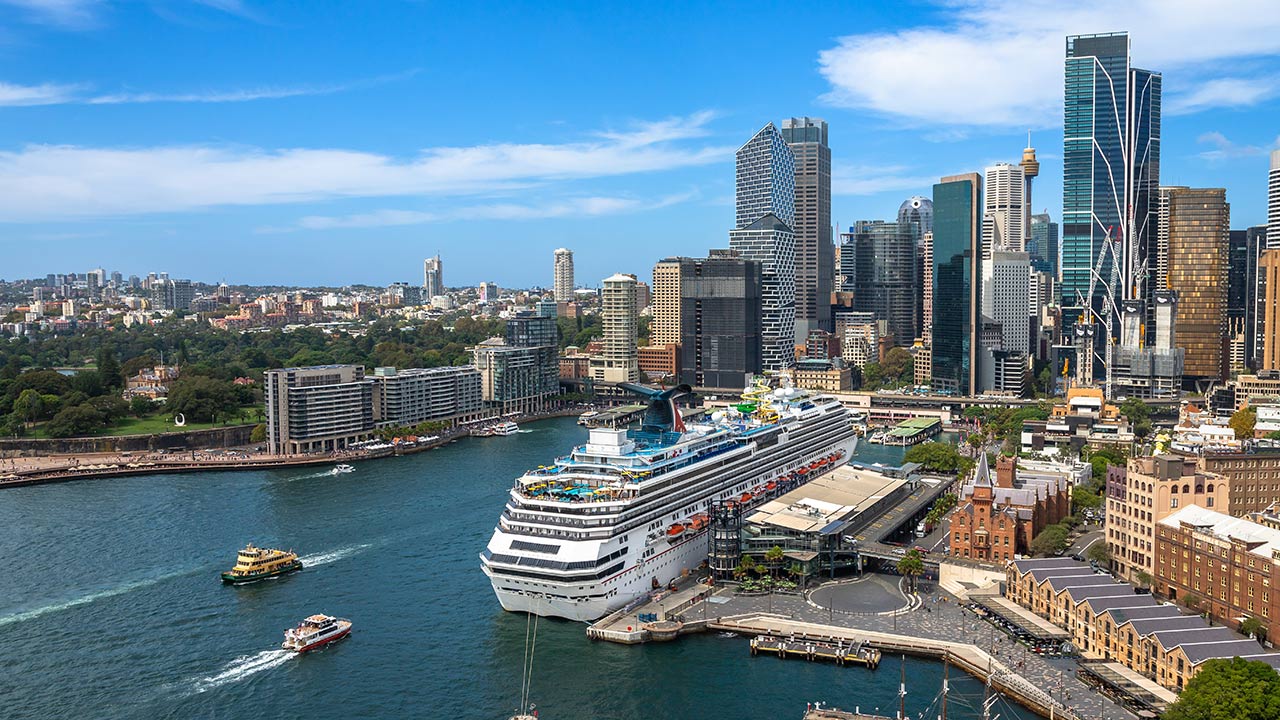
Sydney leads with 75 short sailings on the books, Brisbane follows with 58. Between them those two cities account for 133 of the 137 short cruises on offer, leaving Cairns and Melbourne with two each. If you live near either of the big two homeports, a short cruise is a genuine, repeatable weekend option rather than a once-a-year treat. If you are working from Cairns or Melbourne, the choice of ship and date narrows fast, so it pays to look early.
Carnival, Royal Caribbean, Princess and Celebrity all run short domestic itineraries from these ports, and the destinations follow a familiar pattern depending on the homeport. Expect runs out to Moreton Island and Airlie Beach from the Queensland side, and Tasmania or Kangaroo Island stopovers worked into some of the Sydney and Brisbane sailings. Carnival in particular markets its short Australian trips around those Tasmanian and Kangaroo Island calls alongside the quicker Moreton Island and Airlie Beach runs.
What a couple of nights aboard actually feels like
A two to four night sailing typically breaks down into one arrival evening, a sea day and one or two port stops, so you spend more time aboard than ashore compared with a seven-night cruise. That is not a lesser version of cruising – the pools, dining rooms and entertainment run at full capacity from the first night, so the ship feels like its normal self compressed into a shorter stay rather than scaled back. Cruise1st Australia puts it simply: “A short cruise – 2, 3 or 4 nights – is a proper holiday, not a taster.” Carnival leans into the same low-commitment appeal from the other direction, pitching its short sailings as a chance to “take one of our short cruises out to sea and back as a sampler.”
The practical side of boarding does not change either. Short sailings use the same terminals, lifts and gangways as the longer cruises leaving from the same homeport, so there is no separate queue or process to learn. Most of these sailings also dock alongside a berth rather than relying on a tender, and the typical port day is a single stop rather than a run of back-to-back excursions – which keeps the whole trip easygoing rather than a dash from one activity to the next.
What is included, and what still costs extra
A short cruise fare generally covers your cabin, main dining and entertainment, the same as a longer sailing. Drinks packages, wifi, shore excursions and gratuities – the daily service charge added to your onboard account – are charged on top, so a shorter commitment does not mean a proportionally smaller bill once the extras go on. Some cruise lines bundle flights, hotels and transfers into a package for travellers coming from outside the departure city, which is worth asking about if Sydney or Brisbane is not already your home patch.
Because a short sailing packs a similar number of passengers into a shorter window, expect busier pools, dining rooms and bars than you would find on a longer cruise where numbers thin out after the first few days. Cabin position still matters too – check the deck plan for distance from late-running bars or lounges if a quieter cabin matters more to you than convenience. And with only two or three nights of dining and entertainment on offer, there is naturally less variety on the menu and the schedule than you would get over a full week.
Before you book
Short cruises from Sydney and Brisbane run right through the year rather than being tied to one season, which gives more flexibility on dates than booking a longer itinerary usually allows – November sailings are already on sale inside the current Australia and South Pacific season. Popular dates around school holidays and long weekends still fill first, so booking early is more about securing your preferred cabin and ship than chasing a cheaper fare. Standard travel insurance covering cancellation, medical treatment and disruption applies the same way it would to any longer voyage, and it is worth holding even for a domestic two or three night trip – check with your insurer whether a short sailing is treated any differently for excess or claims. Confirm exact inclusions, current fares and any package deals with your travel agent or the cruise line directly before you compare one sailing against another.
What all of this adds up to is a kind of holiday that does not ask much of you to begin – no flight, no jet lag, no long run-up of planning – and still hands back a real change of scenery by Monday morning. For anyone who has put off cruising because a fortnight away feels like too big a commitment, two or three nights out of Sydney or Brisbane might be the easiest yes you make all year.