Australians are far better off than they were in the 1970s in many key ways, but a major shift in housing affordability is leaving many people feeling worse off, according to AMP chief economist Shane Oliver.
In a note to investors, Mr Oliver asked whether life “really was better in the good old days”.
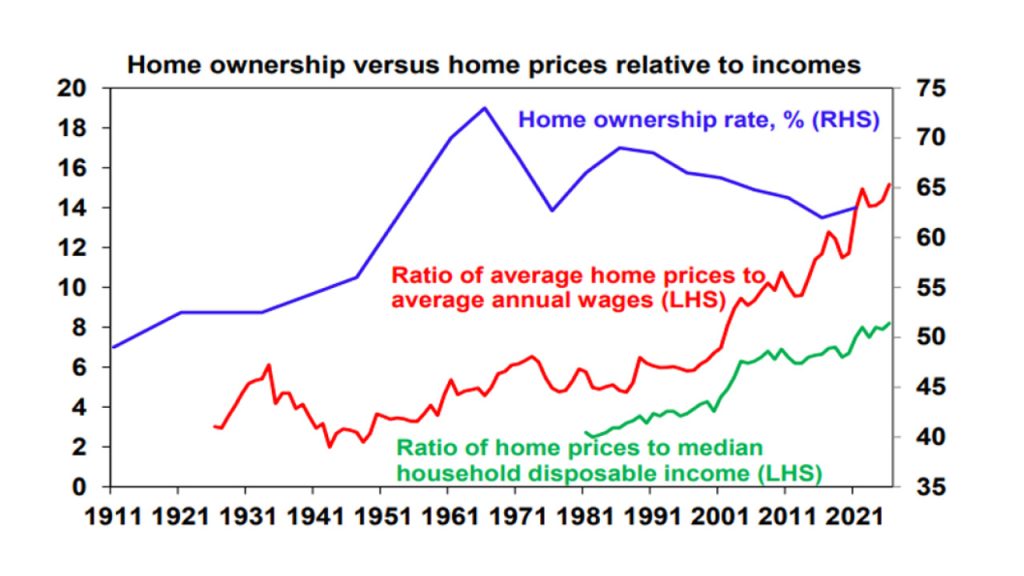
He said consumer sentiment is weaker now than it was in 1975 or 2000, and home ownership rates have edged down over the past 26 years. He also said getting into the property market is now far harder than it used to be.
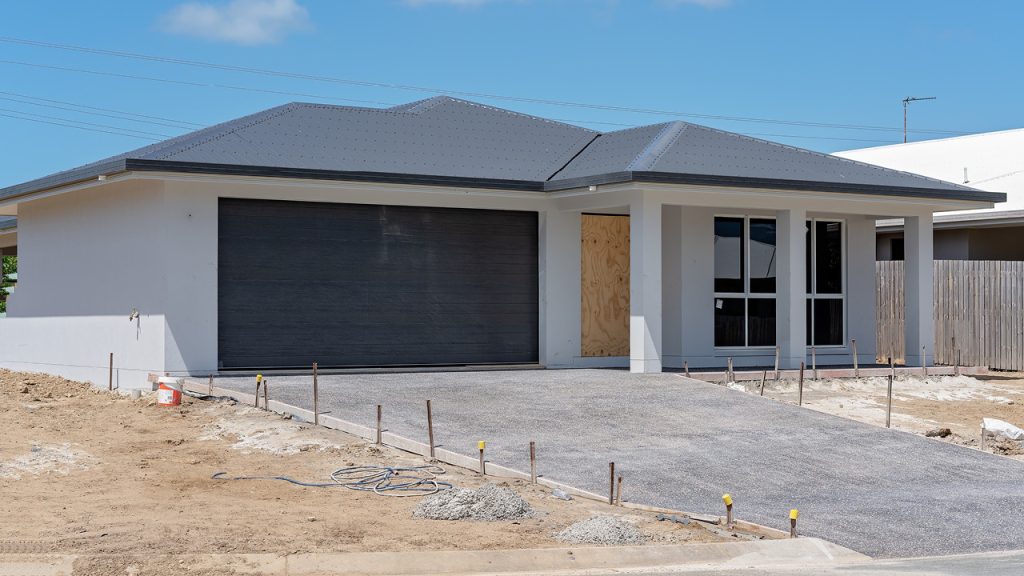
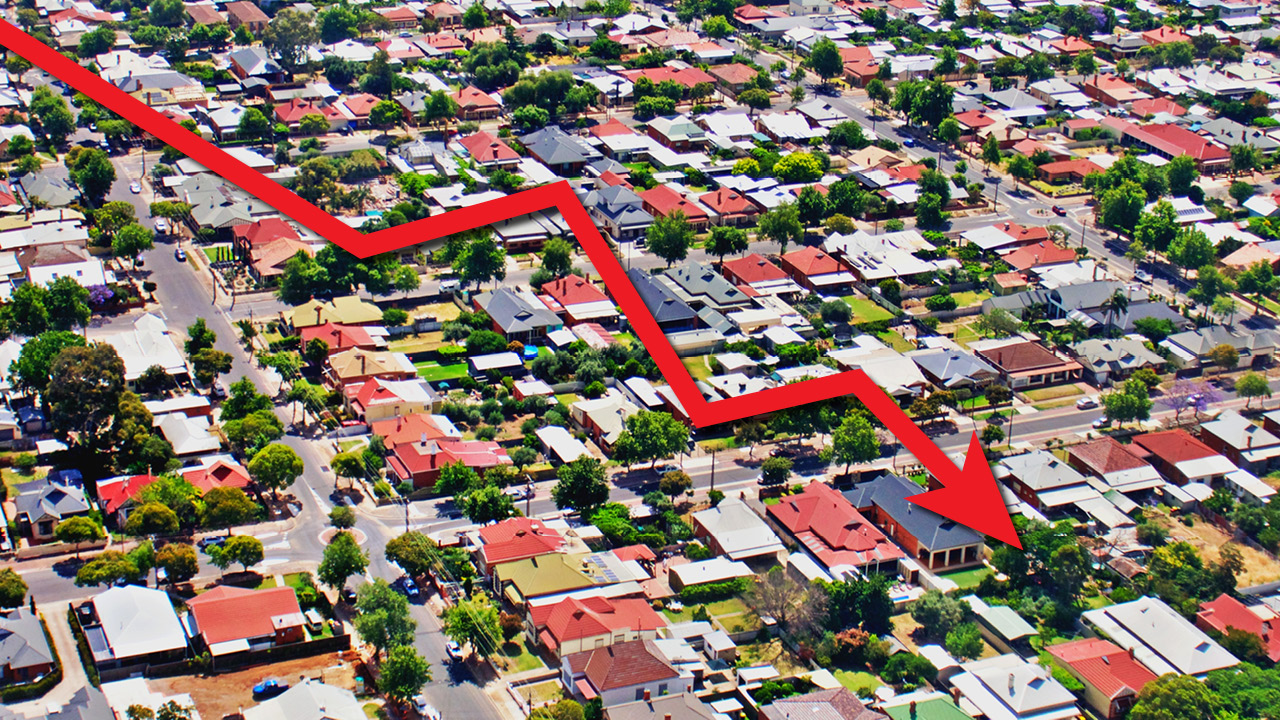
The average home price to wage ratio stood at 5.5 in 1975 and 6.4 in 2000. By 2026, that figure had blown out to 14.4.
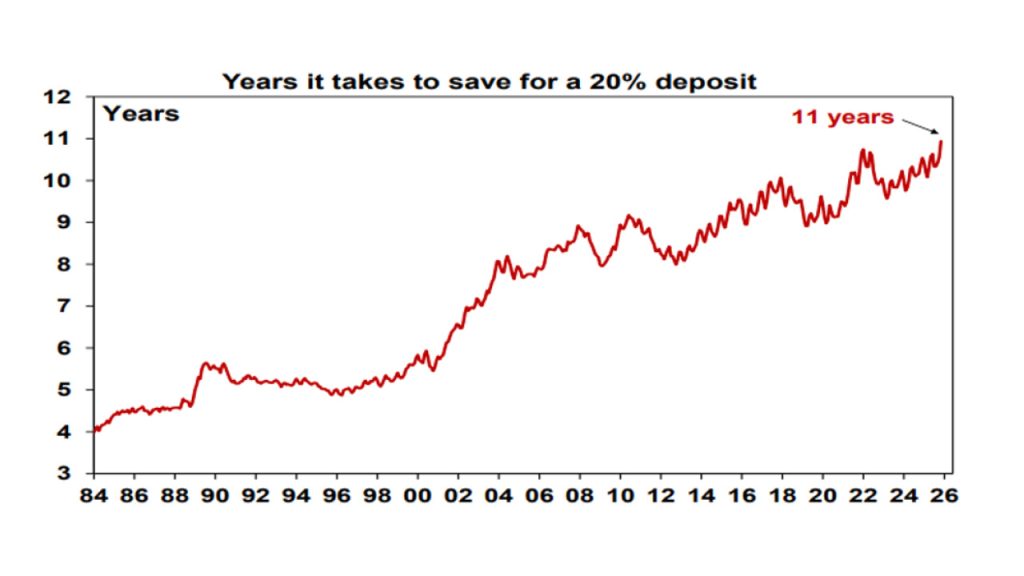
The time needed to save a home deposit has also risen sharply, from 5.8 years in 2000 to about 11 years in 2026.
At the same time, Mr Oliver said many broader economic measures suggest life has improved.
Inflation was four per cent in the year to May, well below levels seen in 2000 and in 1975, when prices increased 15.3 per cent in each year.
Unemployment is currently 4.4 per cent, lower than 6.3 per cent in 2000 and 5.4 per cent in 1975. Real household income is also more than double what it was in 1975.
Mr Oliver said higher incomes, improved technology and greater financial stability had lifted overall living standards.
“With this wealth has come more discretionary spending power to devote to things like overseas holidays – 50 years ago, an average Australian had an overseas holiday once every 16 years, now it’s just a bit less than once every two years,” he said.
“And more gadgets like cars – where there is now nearly one for every two people – and household appliances like huge flatscreen TVs.
“And multiple cafes per suburb with endless choice of coffee and food compared to the burgers and instant coffee of a few generations ago.”
His report found that Australians’ lives have improved in many respects since the 1970s and 2000s. But he said the post-pandemic surge in inflation has put households under pressure, even though real wages are higher than they were in those earlier periods.
“The average wage earner (if they have not upskilled or changed jobs) has seen their pay lag inflation since 2021,” he wrote.
He said the reason wages have not kept up with prices is the recent weakness in productivity growth.
“The root core of this is low productivity growth,” Mr Oliver said.
“Coincidentally, the structural decline in happiness in 2015 started around the same time productivity started stagnating.”
Productivity, which tracks growth in Australia’s GDP against hours worked, fell 0.6 per cent in the March quarter. Over the year to March 2026, it was just 0.3 per cent.
That is far below the long-term average of about 1.7 per cent recorded between 2004 and 2016. Productivity also slowed to about 0.8 per cent in the 2024 financial year, and the weaker growth poses a problem as Australia deals with inflation and high interest rates.
Mr Oliver said governments were under pressure to lift productivity while making room for private sector growth.
“Government need to do more to boost productivity and hence grow living standards and avoid the delusion that the answer is even more government,” he said.
He also said housing affordability is central to the dissatisfaction many Australians are feeling.
“We suspect a big part of the problem is poor housing affordability which leads to a growing wealth gap between the haves and the have nots – fix that with a fundamental rebalancing of underlying housing supply and demand and a lot of the angst will likely fade,” Mr Oliver said.
“This likely involves getting the balance right on immigration, but not slashing it such that it just leads to labour shortages and the economy struggling with an aging population.”