A range of changes to tax, superannuation, wages and household bills will take effect from Wednesday, July 1, as the new financial year begins.
The updates, announced in the federal budget, are expected to affect millions of Australians and their budget
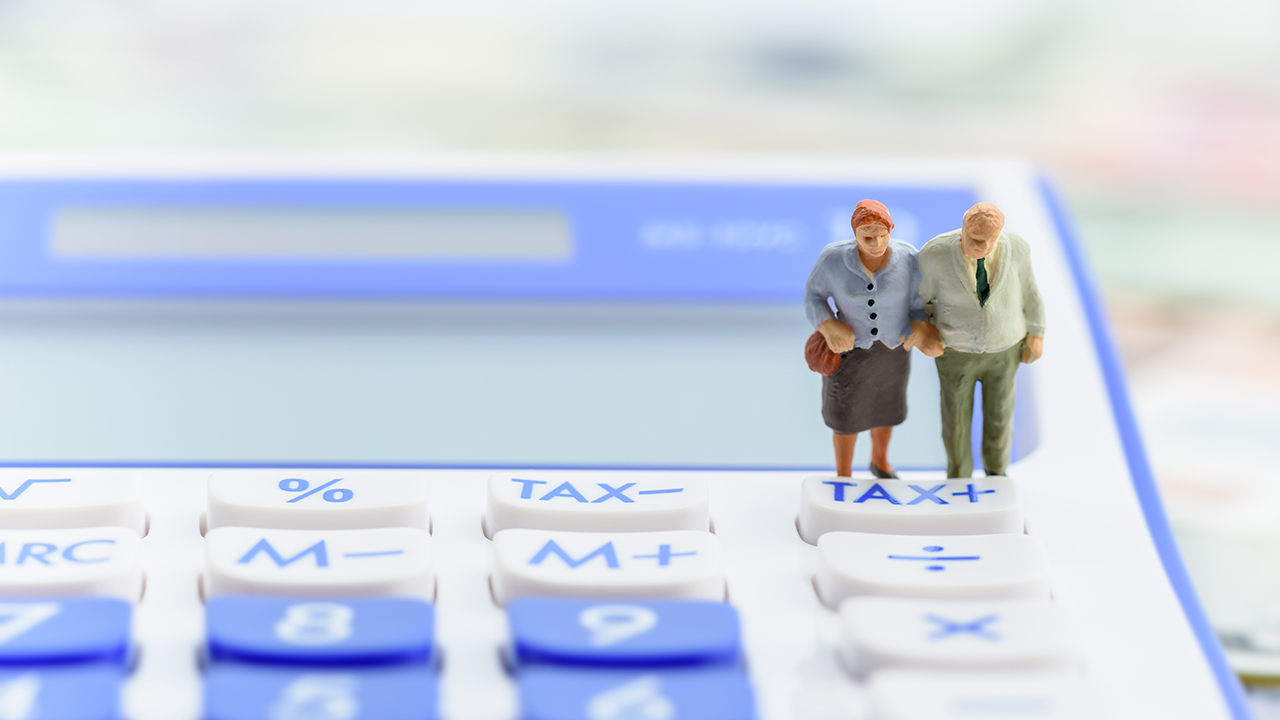
Tax cuts begin
More tax relief will flow through from tomorrow, with changes to the income tax system coming into effect.
The 16 per cent tax rate on income between $18,201 and $45,000 will drop to 15 per cent, delivering a cut of up to $268 for taxpayers.
It forms a part of the Working Australians Tax Offset, which began last year and aims to deliver tax cuts of up to $1000 over time.
Fuel excise relief ends
At the same time, temporary fuel relief will end.
The halving of the fuel excise, reduced from 52.6 cents to 26.3 cents per litre, was introduced in April during a period of higher global oil prices and supply concerns.
Despite calls for an extension amid cost-of-living pressures, the federal government has not continued the measure.
The temporary abolition of the Heavy Vehicle Road User Charge will also end, increasing costs for freight and transport operators around the country.
Superannuation
Superannuation payments will shift under new “Payday Super” rules.
Employers will now be required to pay super at the same time as wages, rather than quarterly, with contributions expected to reach workers’ accounts within seven days.
The calculation method is also changing, with super now based on “qualifying earnings” rather than ordinary time earnings alone.
These include ordinary time earnings, commissions, salary sacrifice contributions and other wage components.
Wages rise
The minimum wage will increase by 4.75 per cent following a Fair Work Commission decision.
That takes the hourly rate to $26.44, or $1004.90 per week, marking the first time it has exceeded $1000 weekly.
Full-time workers on the minimum wage will earn $52,254.80 a year from tomorrow.
Electricity price changes
Household electricity prices will move differently depending on location.
In New South Wales, prices will fall by up to five per cent for households and 11.3 per cent for small businesses.
In South East Queensland, households are expected to see a 7.2 per cent reduction.
In South Australia, residential prices will rise by 1.4 per cent, while small business bills will fall by 6.8 per cent.
Retailers will also be required to offer a default Solar Share Offer, providing eligible customers with three hours of free daytime electricity.
Politicians’ pay
The independent remuneration tribunal has decided not to grant a pay rise to federal politicians this year, breaking from recent increases.
“While this approach will result in a reduction in real remuneration, it preserves existing relativities and allows the tribunal to consider remuneration outcomes in a more integrated and considered manner,” the tribunal said in a statement.
A review later in the year could still lead to adjustments.
Image: Shutterstock