Some households in Australia will soon be able to get at least three hours of free electricity each day under the Solar Sharer Offer, known as the SSO. The change is due to begin on July 1 in New South Wales, South Australia and south-east Queensland.
The offer will apply only in areas covered by the Australian Energy Regulator’s Default Market Offer, so households will need to be in NSW, South Australia or south-east Queensland to access it. The federal government has indicated the policy could spread further, saying “consideration is being given to making an SSO or equivalent option available in other areas”.
Victoria has already unveiled a similar measure, with three hours of free electricity in the middle of the day to be available from October 1.
To use the SSO, eligible customers will need a smart meter and will have to sign up to the offer. The Australian Energy Regulator says a compulsory nationwide smart meter rollout is intended to have smart meters installed for all National Electricity Market customers by November 30, 2030.
People can ask for a meter upgrade before their area’s scheduled rollout, or when adding solar or batteries, although installation may come at a cost in those cases.
Some providers already have plans that include free electricity in the middle of the day. Electrician Brendan Lang says he has already made use of that kind of arrangement through his own retailer in Naarm/Melbourne. “I’ve managed to load shift my power consumption to those cheaper tariff windows already.”
Even outside a free window, electricity can be cheaper during off-peak periods if your retailer uses a “time of use” tariff. But Alan Pears, a senior Industry fellow at RMIT and a fellow at the University of Melbourne, says households should “weigh up whether they will save overall” by comparing their energy use with the available plans. He says “these contracts may charge higher prices than traditional ‘flat’ tariffs at other times.”
The precise daily timing of the free electricity period has not been confirmed, but it is expected to land between 11am and 2pm, when solar generation is strongest. At present, some of that midday solar output is wasted because many people are out of the house and there are not enough batteries to store it.
Smart meters can play a major role in helping households work out how to benefit. Brian Spak, the general manager of advocacy and policy at Energy Consumers Australia, says they can help with the “detective work” of identifying what is using power in the home. “If you own a smart meter, your retailer may provide an online portal, or information with your bill that enables you to check your recent energy usage.”
Mr Lang describes a smart meter as being like “upgrading your old brick phone to a [smartphone]”. He says, “It’s got a lot more capability and functionality that can help manage your energy consumption.”
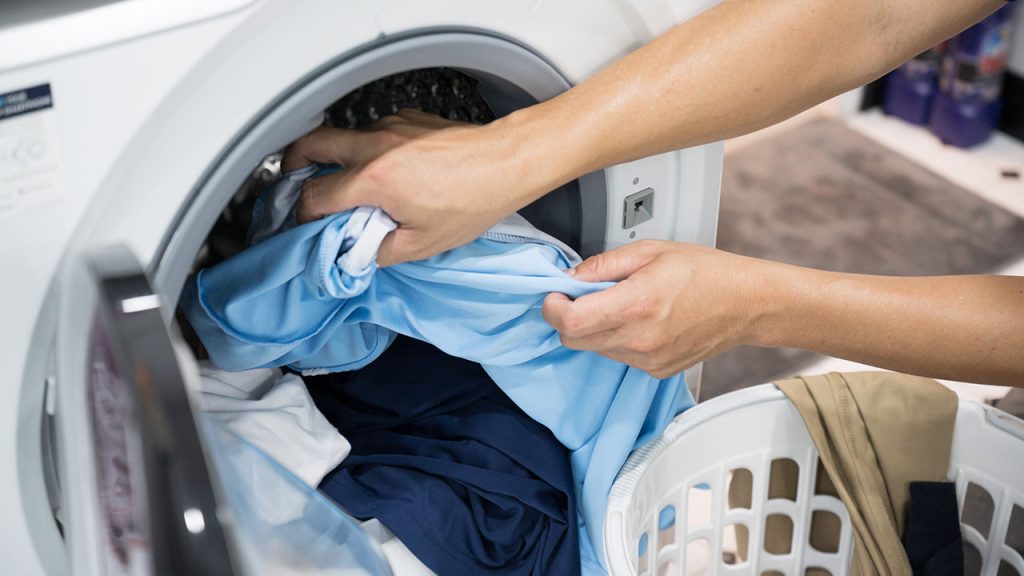
Mr Pears says households should try to shift electricity use into the free period on the days they are at home. He suggests jobs such as washing clothing, bulk cooking, vacuuming and mowing with an electric mower.
If you are out during the day, he says many appliances can still be timed or scheduled to run then, although convenience matters and so does safety. He says people should think about how much energy an appliance actually uses before deciding whether changing its schedule is worth the trouble. He also warns that safety matters if appliances such as a clothes dryer are set to operate when nobody is home.
Mr Lang says dishwashers and washing machines are obvious options because they “often have a timer function” and can be set to run during a free electricity window. He says an electric oven or barbecue could also be used during the daily free period, whether that means running the barbecue or cooking a large Sunday roast.
Electric vehicles could deliver especially large savings. Mr Lang says they are another “big one”. “Charging off peak or in a free window can really reduce the cost.”
Heating and cooling may also be worth shifting. Mr Lang says a split-system air conditioner can be used to cool or warm a home during the free period. “Most have a timer function built into the hand controller as well, so you can set that to run on a schedule.”
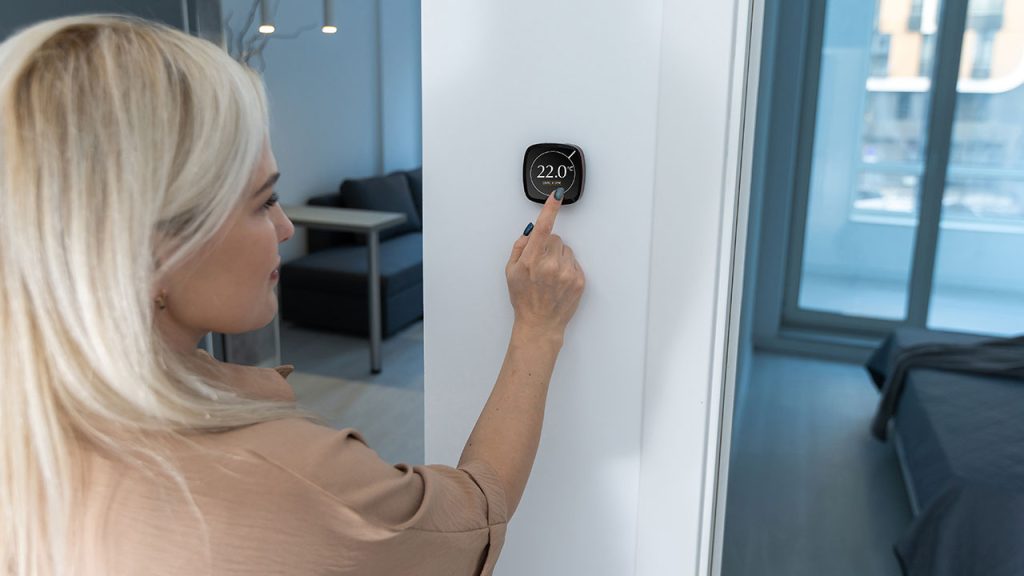
But he says doing that is pointless if the home is poorly sealed or lacks insulation and no one is there, because the temperature will not hold. “Pop down to your local hardware store and spend a few bucks on draught proofing and insulation products and you’ll get a lot more efficiency out of your heating and cooling.”
Mr Spak says heating and cooling account for 40 per cent of household energy use, and a “lack of insulation … is a significant contributor to driving up bills”.
Hot water is another area where households may be able to benefit. Mr Lang says switching to a heat pump hot water system could work well with the free period. “Almost all of them have an integrated timer, so you can schedule when it is running each day … and the tank of water stays hot, probably overnight.”
He says heat pump hot water systems use less electricity than traditional electric water heaters, but it still makes sense to run them during the day. Some models also come with timers and smart controls.
If a hot water system cannot be scheduled, households should think about other appliances that draw significant power. Mr Spak says that depending on the model, dishwashers and washing machines may not consume much electricity themselves, but they can use a lot of hot water. “You also want to be thoughtful about when you run them and when your hot water system will heat up.”