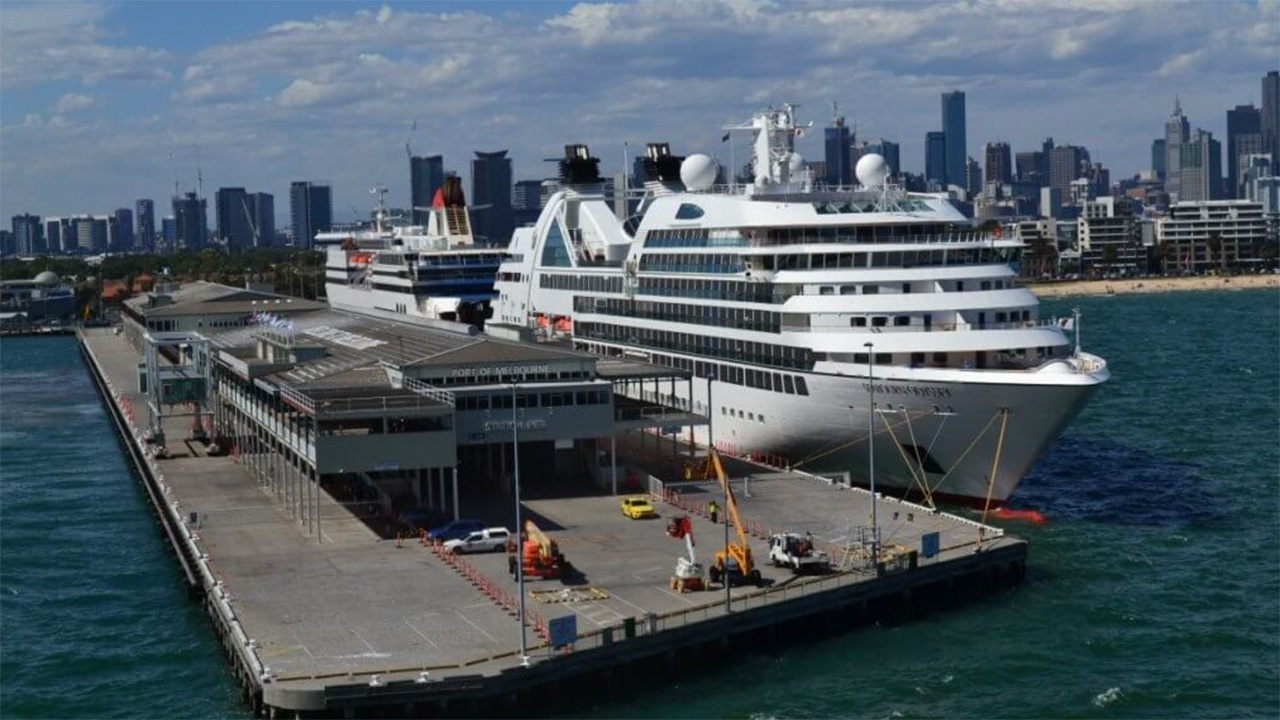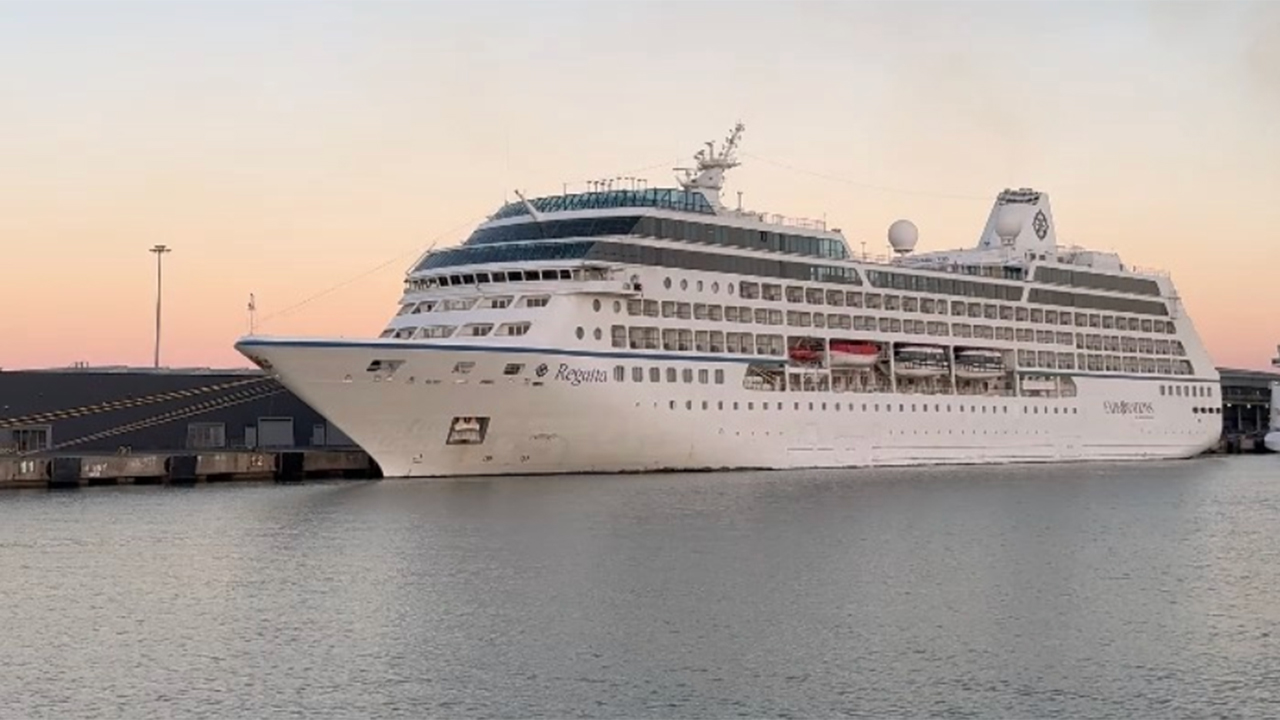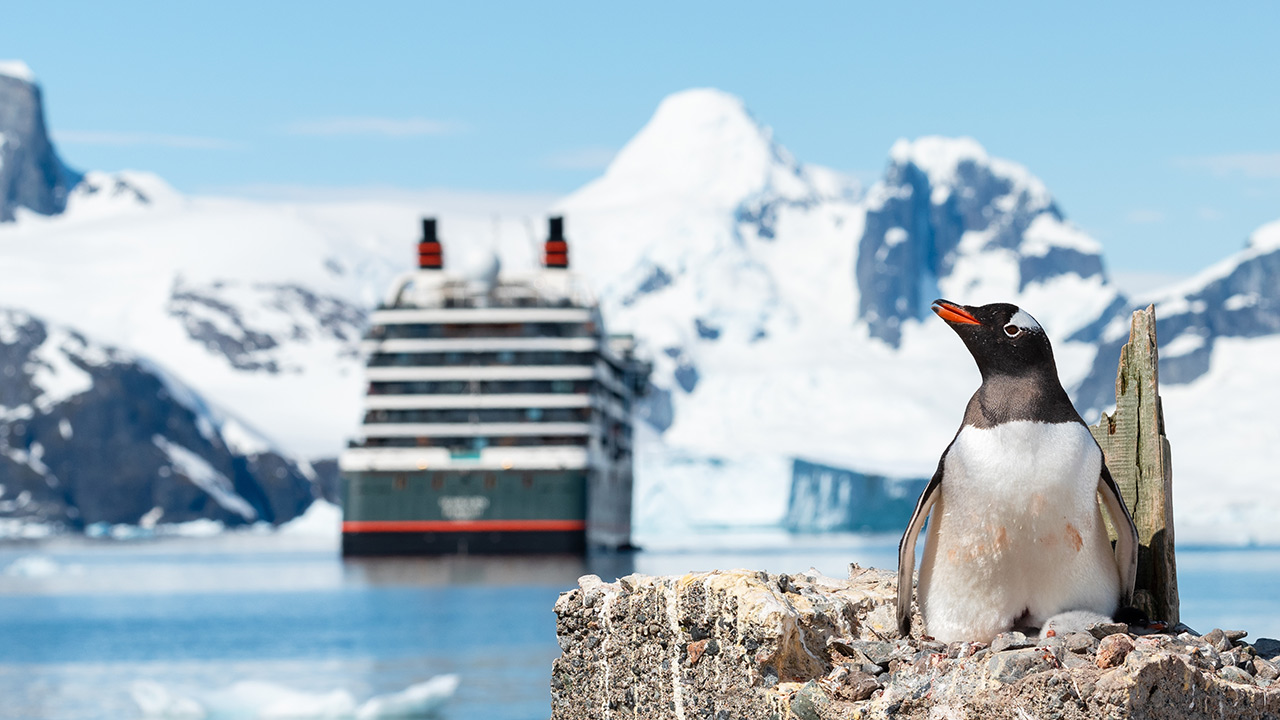
If your idea of a first cruise is whatever the family booked for the school holidays, it’s time to think again. The smartest first cruise for an Australian over 60 is not about the size of the ship or the name on the funnel. It comes down to two quieter details: how long the voyage runs and what season it sails in. Get those right and you land more people your own age on board, a calmer daily rhythm, and often a cheaper fare than the crowded classics everyone else books first.
Gary Bembridge, who writes as Tips For Travellers, has done 120 cruises since turning 55, and his advice is built around what he says younger cruisers “don’t even, or need, to think about”. His central rule is simple: skip the peak-season, port-a-day sailings built for families with children off school, and choose a longer voyage in the shoulder season instead.
“The Caribbean is best in November/ early December, or January/ February, the Mediterranean is best in June and October; and Alaska May / early June and late September,” Bembridge says. Those windows sit either side of the school-holiday crush, which means fewer crowds ashore, calmer decks on board, and a passenger mix that skews older.
Our pick for a genuine first cruise sits in that same logic: repositioning voyages, the sailings a ship makes when it moves between regions at season change. Transatlantic crossings between Europe and the Caribbean, transpacific runs between Alaska and Japan, and the Australia-to-Alaska route via the South Pacific and Hawaii all pack in more sea days, typically five or six in a row, and draw an older crowd. Bembridge calls repositioning cruises “a perfect option for us”, singling out the Transatlantic and Transpacific routes as the most popular while noting the Australia-to-Alaska option is also on the map.
Compare that with a classic 7-night Caribbean, Mediterranean or Alaska sailing, the kind every discount site pushes hardest. These are built for families squeezing a holiday into a fortnight off school, and they get crowded in port and on board. Lengthen the same region out past ten nights and the family numbers thin out considerably. South America, Asia, Australia, New Zealand and the South Pacific all suit this slower, longer style well.
Don’t judge on price alone
On the money side, the gap between a short family sailing and a longer premium voyage is real. Cruise1st currently lists a 4-night Sydney return sailing on Carnival Splendor in August 2026 from $574 per person inside, rising to $1,314 for a suite, a fast and cheerful option but squarely a family product. Royal Caribbean, by contrast, pitches its senior-friendly case on ease rather than adventure, saying cruising “lets guests choose their own adventure, from relaxing and restorative to exciting and daring”, and points to fares from around $100 a night as a budget benchmark, with discounted rates for guests 55 and over on select sailings.
Holland America’s bundled Have It All package, which folds shore excursions, a drinks package, specialty dining and wifi into one fare, starts from roughly $1,104 per person according to Holland America Line, though this is a US-market figure and Australian travellers should get a firm AUD quote before comparing it to a base fare. An early-booking version of the same package starts from around $184 per person on shorter sailings, with up to $300 in shore excursion credit, but that headline number understates the real cost once local pricing is applied. National Seniors Travel also runs members-only pricing on cruise packages through partners including Emerald Cruises, worth a look if you already hold membership.
The small details that matter
On the ground, ease matters as much as itinerary. Modern ships now offer lift access to every public deck and ground-floor cabin categories with easier bathroom access, worth confirming at booking rather than assumed. Longer sailings load in more sea days relative to port days, which eases the daily pace considerably compared with a port-a-day Caribbean run. The one detail worth checking before you commit is tender ports, where the ship anchors offshore and passengers are ferried in by small boat. They add a transfer step a dockside port simply doesn’t have.
Book early, travel smarter
Timing the booking matters too. Thailand and South East Asia are sitting in their cool, comfortable cruising season right now, a good near-term pick for warmth without the wet season. Cherry-blossom sailings in Asia and Christmas-market cruises in Europe for 2027 are already in their early-bird booking rush, so those cabins are worth locking in now rather than later. Holland America’s 2028 Grand Voyages, including an Australia and New Zealand itinerary and a 129-day Grand World Voyage, are open for booking now with an early-booking deadline of June 2027 and up to $2,500 in onboard credit, according to Holland America Line.
If you want a sense of how far this format can stretch, Oceania’s longest 2027 world voyage runs 244 nights, as reported by Cruise Critic. Nobody is suggesting that as a first booking. Think of it as the horizon you are working toward, one fortnight-long repositioning cruise at a time.
Confirm before you book: fares, dates and inclusions above move constantly and several are quoted in US dollars, so get a firm Australian-dollar quote from your cruise line or agent before you commit.