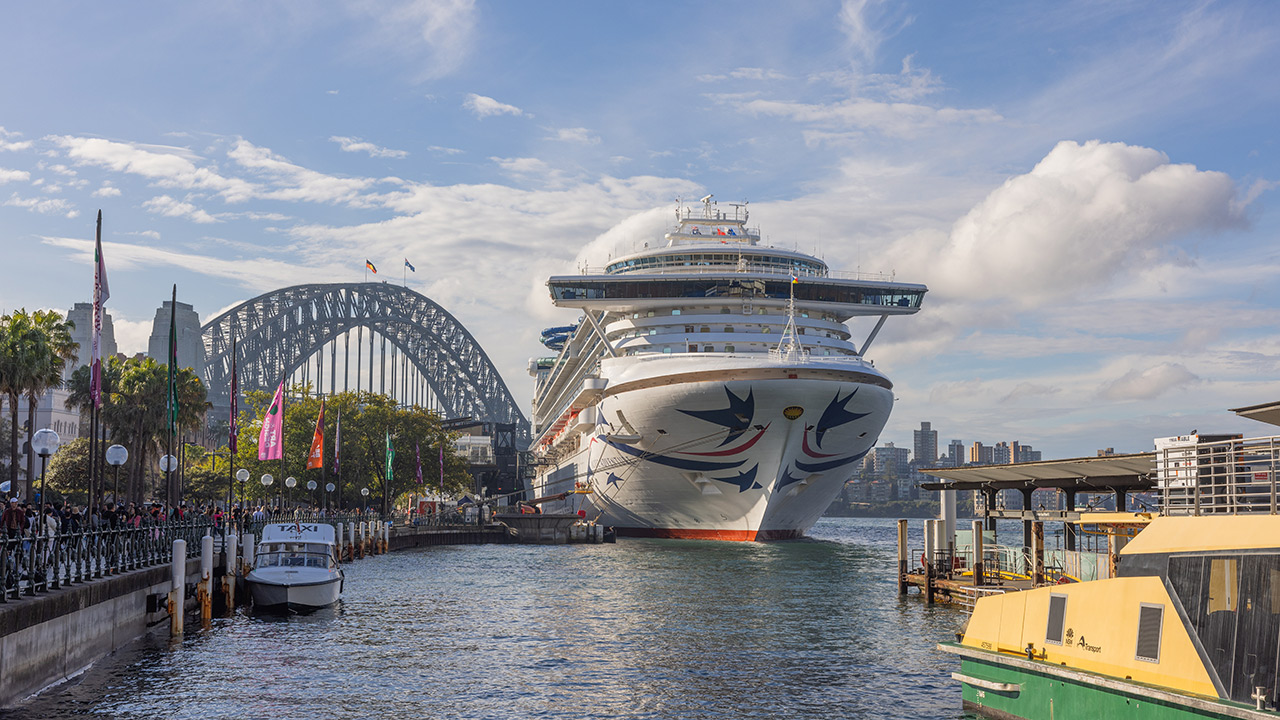
Most of us pick a cruise the way we’d pick a flight – by looking at where it leaves from. Sydney, Brisbane, Melbourne: the city on the ticket feels like the whole story. But a look at sailings scheduled across Australian and South Pacific routes over the coming year tells a different story, and it is one worth knowing before you book your next holiday at sea.
The ports a ship actually visits, not the city it departs, are what shape the days you will remember. And on that measure, the places topping the list are not the capital cities most of us assume.
Airlie Beach and Mystery Island lead the pack
Airlie Beach, the gateway to the Whitsunday Islands, is the single most-visited port on the cruise lines we track over the next twelve months, with 82 stops. That puts it ahead of every other port in Australia or the South Pacific. Mystery Island, a tender-only island day off Vanuatu, follows close behind with 69 stops.
Noumea (58 stops), Port Vila (49) and Lifou (42) fill out the top of the table, and the pattern is clear: short, frequent calls built around a beach or reef day outnumber full days spent sightseeing in a city. Lifou and Noumea together confirm just how heavily New Caledonia and Vanuatu feature in South Pacific routings, well ahead of any single Australian capital.
Cairns does the heavy lifting on reef access
Within Queensland, Cairns is the clear leader with 60 stops, well ahead of Darwin (31) and Townsville (17). Cairns pairs reef access with a town berth close to the Esplanade, which goes some way to explaining why cruise itineraries concentrate reef days there rather than spreading them along the north coast.
Darwin and Broome (22 stops) make up a smaller northern circuit covering the Top End and the Kimberley coast, but neither comes close to matching the Queensland or South Pacific numbers.
Sydney and Brisbane rank below Hobart
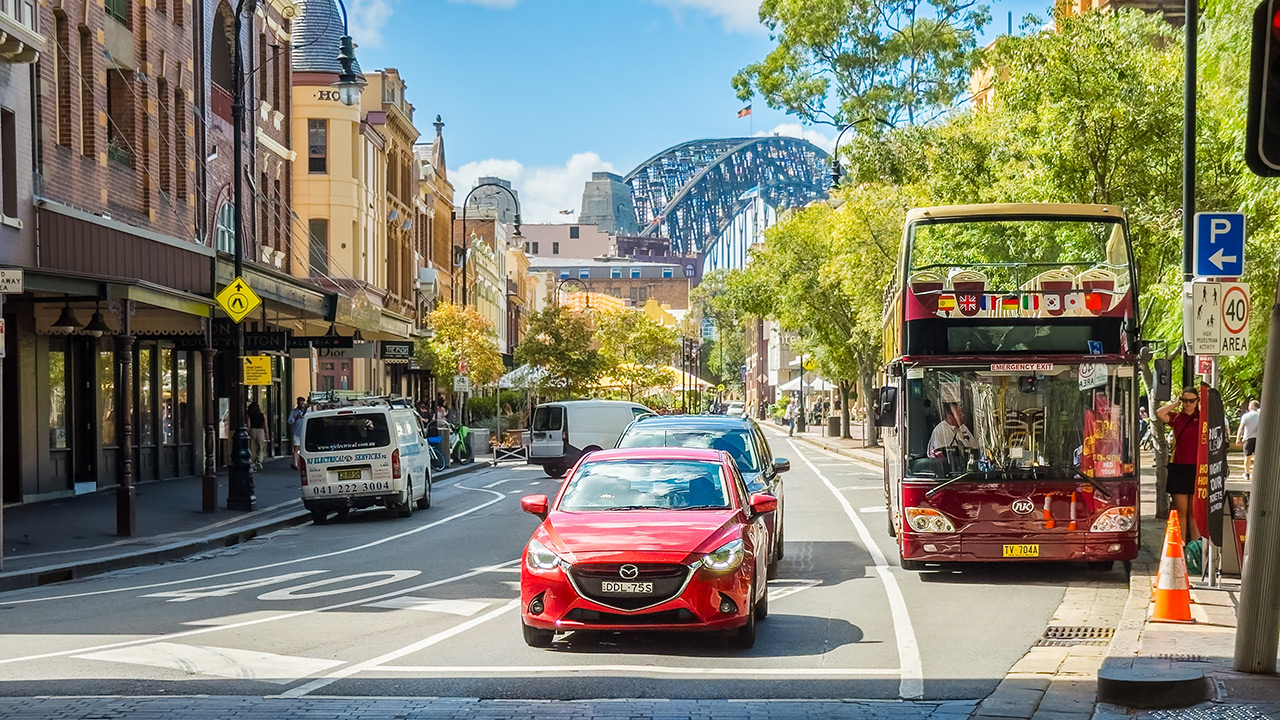
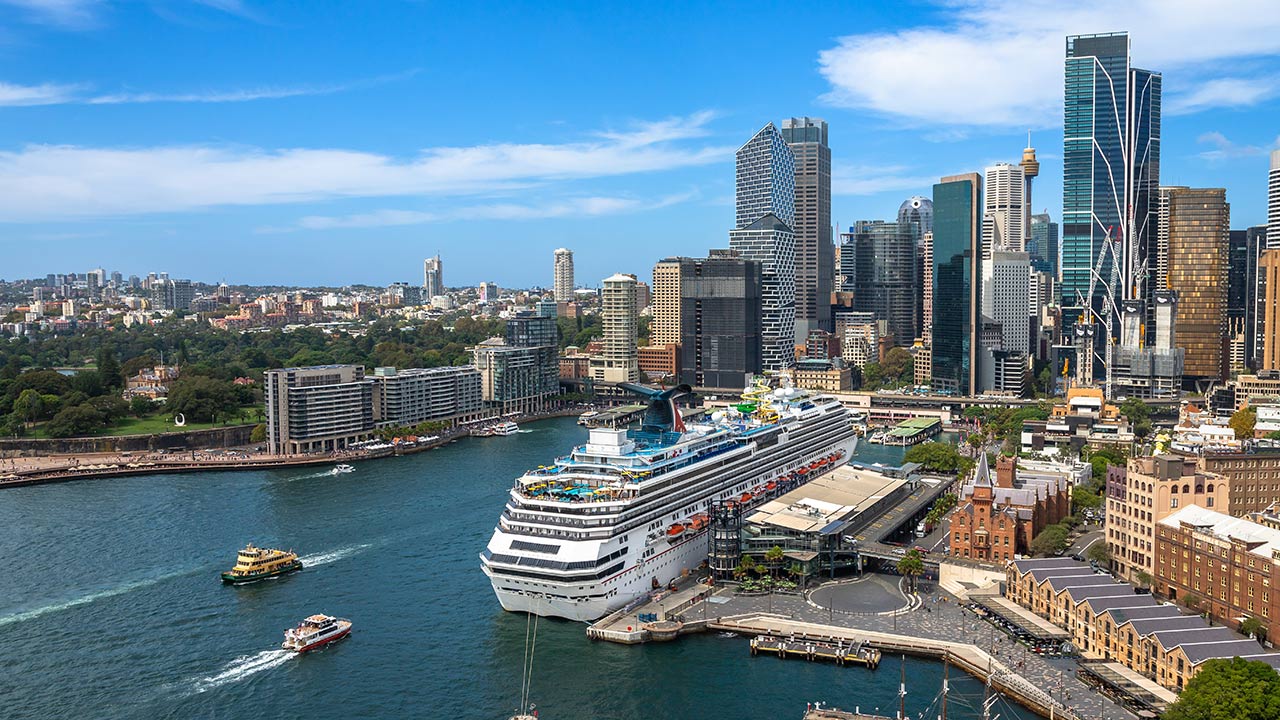
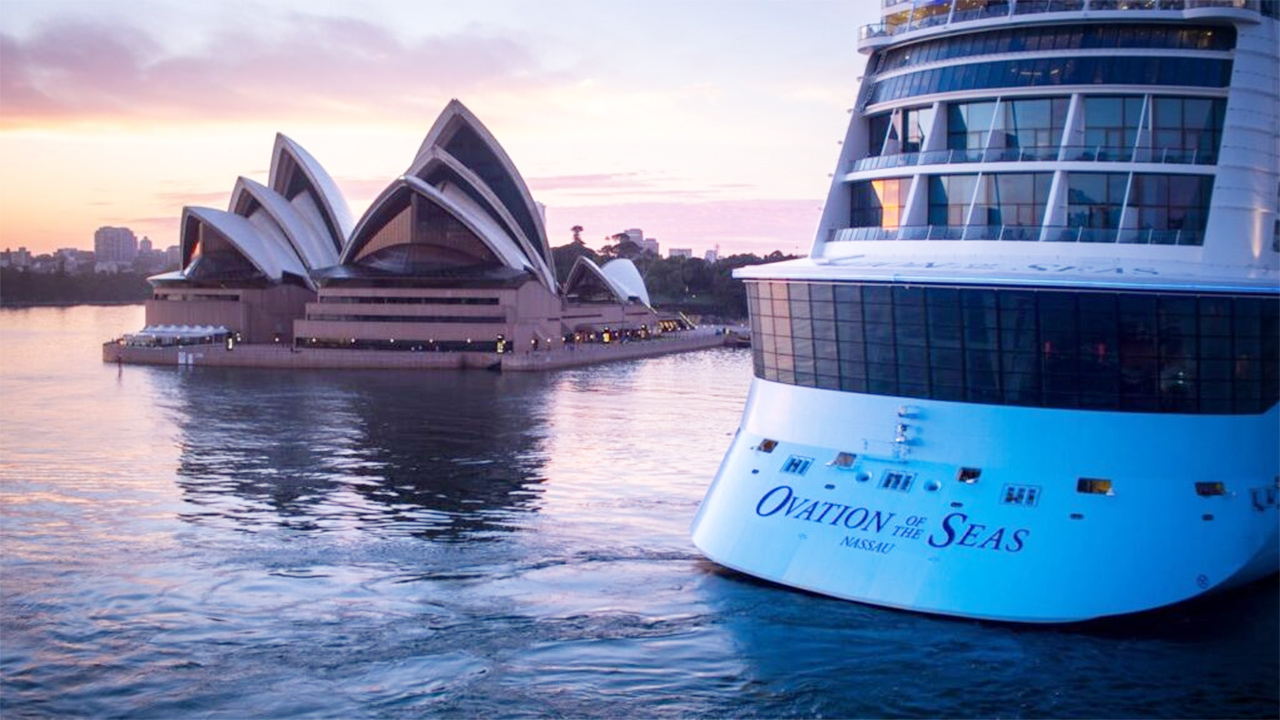
Here is the detail that should change how you read a brochure. Sydney and Brisbane each register just 21 port stops in our data, placing them behind Melbourne (46), and behind Hobart and Dunedin, which are tied on 44 apiece. That is not a sign these cities matter less to cruising – it reflects their role as departure and arrival points rather than as destinations a ship calls into mid-voyage. Our count only tracks stops ashore, so a city that also serves as a home port will always look lighter here than its true importance to the industry.
What it does mean for a reader choosing an itinerary: do not assume a Sydney-based cruise will spend much time back in Sydney. The ship is built to take you elsewhere.
Tasmania holds its own, and New Zealand spreads wide
Hobart sitting level with Melbourne is a reminder that Tasmania is a core southern stop on Australian itineraries, not an occasional detour thrown in for variety. Dunedin’s matching figure shows the same pattern extending across the Tasman.
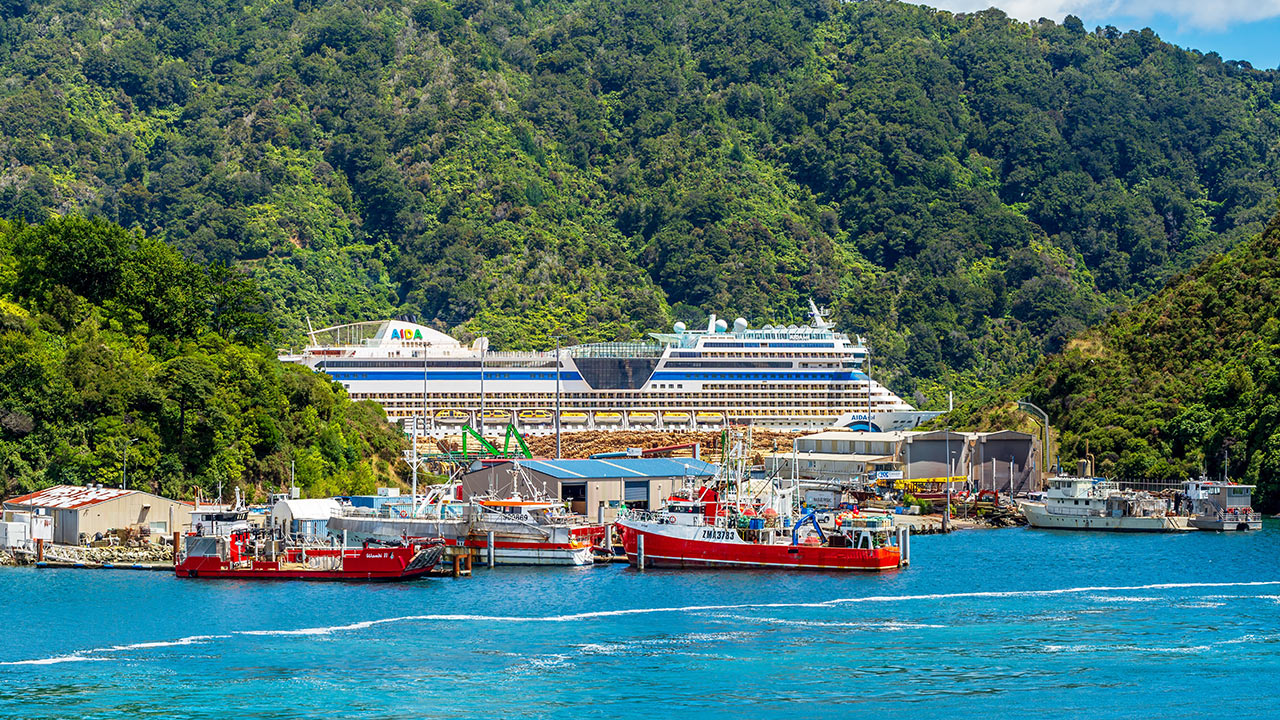
New Zealand itself does not concentrate around one dominant city. Tauranga leads with 40 stops, followed by Christchurch (32), then Auckland, Bay of Islands and Wellington tied on 26 each, Napier on 25 and Picton on 18. Book a cruise built around New Zealand and you are far more likely to thread through several different towns than to loop back to the same city twice.
Dock or tender – why it changes your day ashore
Not every stop puts you ashore the same way, and that matters for how a day actually unfolds. Cairns, Airlie Beach and Melbourne are dock ports, meaning the ship berths directly and you step off onto a fixed pier with no queue. Mystery Island and Lifou are tender ports, where passengers are ferried ashore by smaller boats, and that transfer depends on calm conditions to run as planned.
A high stop count at a tender port is still worth plenty – Mystery Island’s 69 stops make it as defining a call as any city on this list. But it is a different kind of day, shorter and more weather-dependent than a dock call, and worth knowing before you build expectations around one particular stop.
A word of practical caution before you book around any of this. These figures are a snapshot and will shift as cruise lines release new seasons, so a port’s ranking today is no guarantee for next year. If a specific call such as Airlie Beach or Mystery Island is the reason you have chosen a sailing, confirm with the cruise line that it remains on the published itinerary, since island-day calls can be swapped for weather or operational reasons. It is also worth checking that your travel insurance covers itinerary changes caused by port or weather disruption, particularly on routes built around tender stops. For current fares and exact departure dates, your travel agent or the cruise line itself is the place to check.
The real lesson in all this is a simple one: the brochure cover tells you where you fly to, but the itinerary page tells you where you will actually stand on the sand. Read that page first, and Sydney Harbour on the way out starts to matter a good deal less than Airlie Beach, Mystery Island or Hobart on the way through.