If you have a Middle East trip on the calendar, or a stopover through the region on your way to Europe, it is time to check the fine print before you pack your bags.
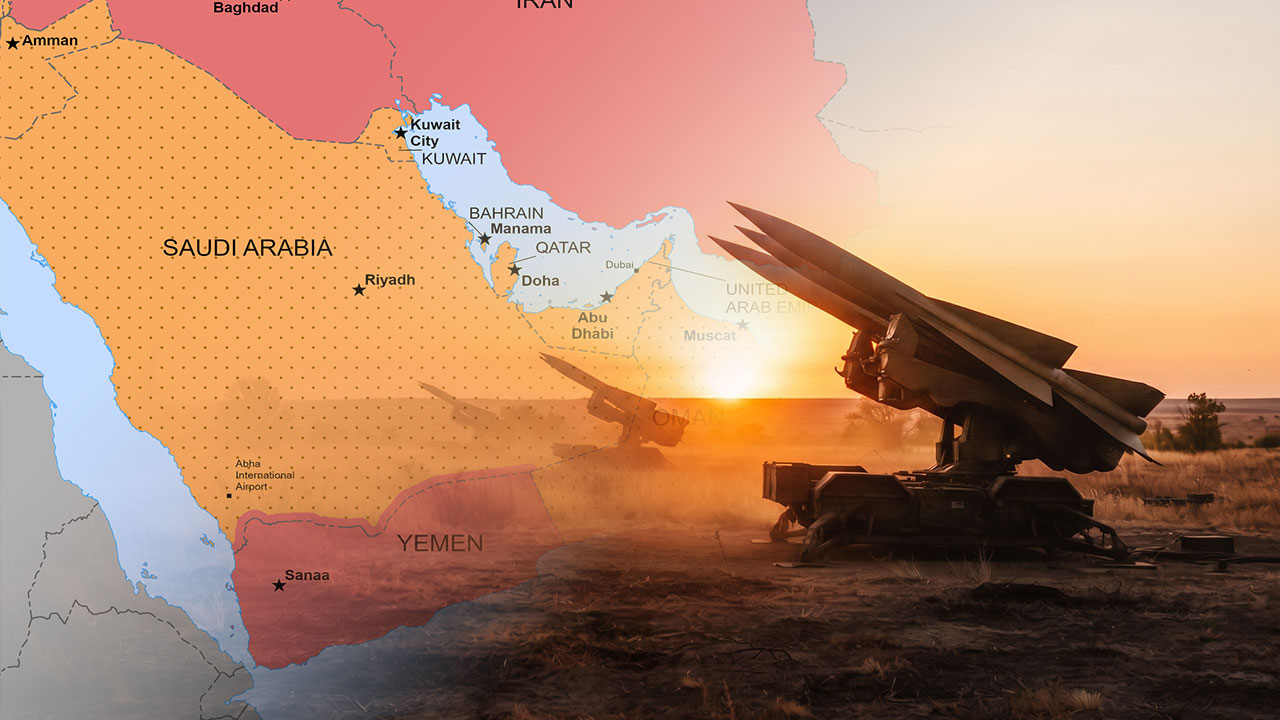
The Australian government has sharpened its travel advice for Oman, Jordan and Saudi Arabia, warning that the security situation across the Middle East has become genuinely unpredictable.
All three countries have now been lifted to level three on the official travel warning scale, which tells Australians to reconsider their need to travel and to steer clear of anything non-essential.
The change follows the collapse of a shaky ceasefire between the United States and Iran earlier this month, according to the report.
The Department of Foreign Affairs and Trade’s Smartraveller website said the region “remains unpredictable” and flagged a “risk of more attacks and escalation”.
Recent days have seen military strikes and reprisal attacks land across the Middle East, including in each of the three newly upgraded countries.
“We now advise ‘reconsider your need to travel’ overall due to the unpredictable security situation,” Smartraveller said.
This is not only a warning for those with tickets booked to the region itself.
Smartraveller cautioned that the conflict has already caused fuel shortages, flight cancellations and travel disruptions felt well beyond the Middle East.
“Your travel plans may be affected, even if your destination is not in the Middle East,” the advice reads.
Anyone with a long-haul flight booked through a hub airport, or connections routed near the region, may want to keep a close eye on their airline’s updates in the weeks ahead.
Oman, Jordan and Saudi Arabia now sit alongside Bahrain, Israel, Kuwait, Qatar and the United Arab Emirates, all at that same level three setting.
Iran, Iraq, Lebanon, the Palestinian territories, Syria and Yemen remain at the very top of the scale, with Australians told simply not to travel there.
For anyone already in the region hoping to come home, the government’s advice has not changed: leave now, while commercial flights are still running, provided it is safe to get to an airport.
The backdrop to all this is a fragile ceasefire between the US and Iran that has been unravelling for weeks, with strikes exchanged for days, oil prices climbing and markets rattled.
Adding to the tension, Yemen’s Iran-aligned Houthi forces declared a naval blockade against Saudi Arabia on Monday, a move that has raised fears of further disruption to global trade and a possible new front in an already volatile conflict.
Travel agents say the upgraded warnings are likely to trigger a fresh wave of cancellations, insurance questions and nervous rebookings, particularly among Australians heading to Europe during the busy northern summer.
While level three advice does not amount to a blanket ban, it can carry serious practical consequences. Some travel insurers may refuse to cover claims linked to destinations under a “reconsider your need to travel” warning, while airlines can alter routes or suspend services at short notice if airspace conditions deteriorate.
That leaves travellers in a difficult position: weigh the cost of cancelling now against the risk of being stranded later.
The concerns are especially acute for passengers using major Gulf hubs to break up long-haul journeys. Airports in Doha, Dubai and Abu Dhabi remain among the busiest transit points for Australians travelling to Europe, the United Kingdom and parts of Africa, and even a conflict that does not directly affect those cities can still cause knock-on delays across the global aviation network.
Security analysts say the danger is not necessarily that every country in the region is on the brink of war, but that the speed of change has become harder to predict. Airspace can close with little warning, military action can spill across borders, and transport disruptions can escalate faster than holidaymakers are able to react.
That uncertainty is precisely what has prompted officials to toughen their language.
For travellers who still intend to go, the advice is to stay flexible. Monitor Smartraveller updates, check whether your insurance policy covers government warning changes, confirm your airline’s latest routing and keep alternative plans ready in case flights are delayed or diverted.
Australians already overseas have also been urged to let family know their plans, keep phones charged, and ensure important travel documents are accessible if they need to move quickly.