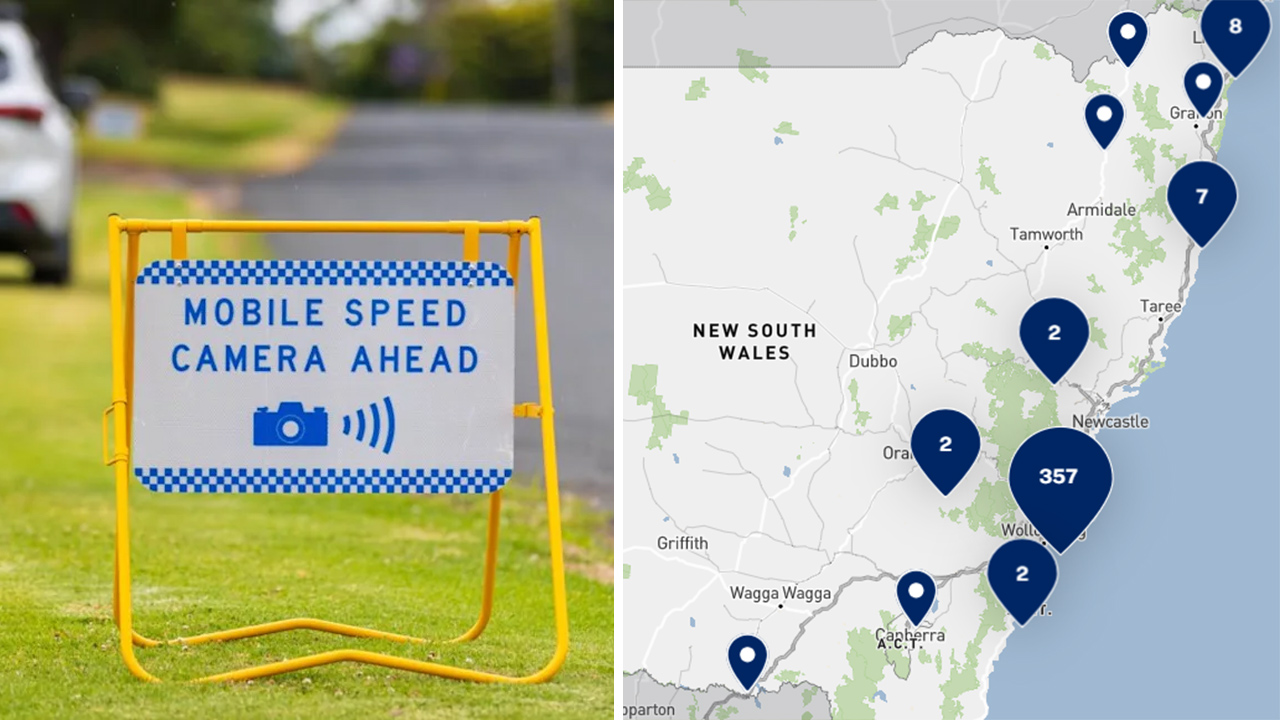
If you drive the back roads of regional NSW, it is worth knowing before your next trip that the rules of the road are quietly tightening. The state government is doubling the number of sites where mobile speed cameras can be set up, adding 2,700 new enforcement locations across NSW over the coming 12 months. For regional drivers who know their local stretch like the back of their hand, that familiarity is about to count for less.
The expansion is being framed as a response to a rising road toll rather than a revenue exercise. By the relevant point in 2024, 109 lives had been lost on NSW roads, 13 more than over the same period the year before. That climb is the reason behind the push into regional areas, where open roads and long straights can lull drivers into a false sense of security.
Mobile speed cameras work differently to the fixed cameras most drivers are used to seeing signposted at intersections, school zones and tunnels. Fixed cameras run around the clock and are flagged well in advance. Mobile units, mounted in marked or unmarked vehicles parked at the roadside, are deliberately unpredictable, picking up a vehicle’s speed from somewhere between 100 and 500 metres out, well before most drivers would spot the car itself.
Here is the detail worth holding onto: total enforcement hours are not increasing. NSW mobile cameras remain capped at around 21,000 hours a month statewide, whether there are 50 sites or 2,750 of them. What changes is the spread. Cameras become harder to anticipate because they can now legally appear in far more places, even if any one spot sees a camera no more often than before.
Lower limits landing in country towns
The camera rollout is only part of the picture. NSW is also partnering with up to ten regional councils to fast-track safer speed limits, with a focus on stretches of high pedestrian activity through town centres. Up to 35 school precincts across the state are being reviewed for route safety, and permanent 30km/h and 40km/h zones are being supported with better lighting and streetscape upgrades rather than signage alone.
From July 1, the mobile phone detection cameras already operating across the state took on an added role, checking for seatbelt use as part of the same safety package. It is a reminder that the camera network doing the watching on regional roads is no longer just about raw speed.
Where regional drivers get caught out
The most common trap on a country drive has nothing to do with cameras at all. Any NSW road without a posted speed limit sign still carries a default limit, so a quiet stretch with no signage in sight is not an invitation to pick up the pace. School zones add a second layer, running to set times on school days and marked by flashing lights and the striped “dragon’s teeth” road markings that catch out drivers passing through unfamiliar country towns.
There is also the school bus rule worth refreshing in your memory if it has been a while since you last needed it. A “40 when lights flash” sign on the back of a stopped school bus means any driver travelling in the same direction, or passing the bus while its lights are flashing, must slow to 40km/h, regardless of the road’s usual limit.
What to check before your next trip
There is no published map yet of the 2,700 new camera sites, since the government is still scoping locations over the coming year. That means the sensible approach is not trying to guess where the cameras will land, but simply driving to the posted limit on every regional trip, old route or new. NSW is also feeding into a national data-sharing agreement that pools crash-cause information on speeding, fatigue, seatbelt use and crash locations across states, which will continue shaping where limits change next.
It is not all penalty and caution. A NSW demerit point trial this year saw 1.1 million drivers have a point wiped from their licence for a clean 12-month driving record, a sign the system rewards steady, careful driving as much as it penalises lapses. Drivers who want certainty about a reading can also request a camera’s calibration certificate, since all units must meet national testing standards.
Before setting off, it is worth checking current limits on any unfamiliar regional stretch and confirming school zone times if your route runs through a country town during the school term, since local signage and timing can vary.
None of this needs to change how you feel behind the wheel on a regional run. The cameras are getting harder to predict, which is exactly the point, but the response is the same as it has always been: drive to the limit on the sign in front of you, not the one you remember from last time, and the rest takes care of itself.