Scientists have gained a rare glimpse into the human brain’s final moments after accidentally recording brain activity during a patient’s death.
The discovery, published in the journal Frontiers in Aging Neuroscience, has offered new insight into what happens in the brain as it transitions from life to death.
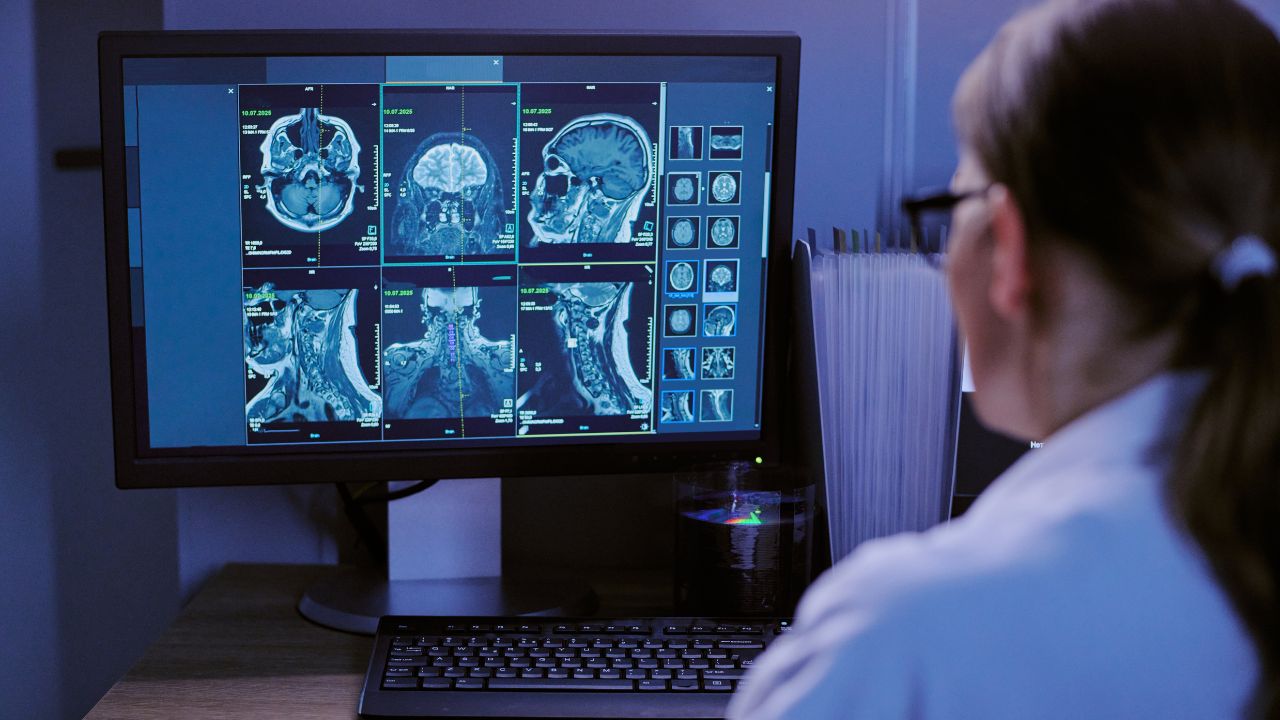
The research came about by chance when scientists were monitoring the brainwaves of an 87-year-old man with epilepsy.
During the recording, the patient suffered a fatal heart attack, allowing researchers to capture brain activity before and after his heart stopped.
The team recorded around 900 seconds of brain activity, including the 30 seconds before and after the moment of death.
They found that the man’s brainwaves followed patterns similar to those seen during dreaming and memory recall.
“Through generating brain oscillations (brain waves) involved in memory retrieval, the brain may be playing a last recall of important life events just before we die, similar to the ones reported in near-death experiences,” lead researcher Dr Ajmal Zemmar from the University of Louisville in Kentucky said.
The findings have been linked to the phenomenon often described by people who have had near-death experiences, where they report seeing their life “flash before their eyes”.
Around 8 per cent of Australians have reported having a near-death experience, according to a Melbourne study, with some describing a rapid replay of important memories known as a “life review”.
However, Dr Zemmar said the research does not prove that everyone experiences a life review when they die.
“If I were to jump to the philosophical realm, I would speculate that if the brain did a flashback, it would probably like to remind you of good things, rather than the bad things,” he said. “But what’s memorable would be different for every person.”
The discovery was made in 2022 but has recently gained renewed attention online.
Dr Zemmar said the recording was completely unexpected.
“These finding were actually totally by chance, we did not plan to do this experiment or record these signals,” he told the BBC at the time.
The study also raised new questions about the timing of death and could have implications for areas such as organ donation.
Similar findings have previously been observed in animals, with a 2013 study on healthy rats recording high levels of brain activity around the time of death and shortly after their hearts stopped beating.
Dr Zemmar described the similarities between the human and animal research as “astonishing” and said the findings could lead to further studies into the final moments of life.
“I think there’s something mystical and spiritual about this whole near-death experience,” Dr Zemmar said. “And findings like this – it’s a moment that scientists lives for.”
Image: Shutterstock