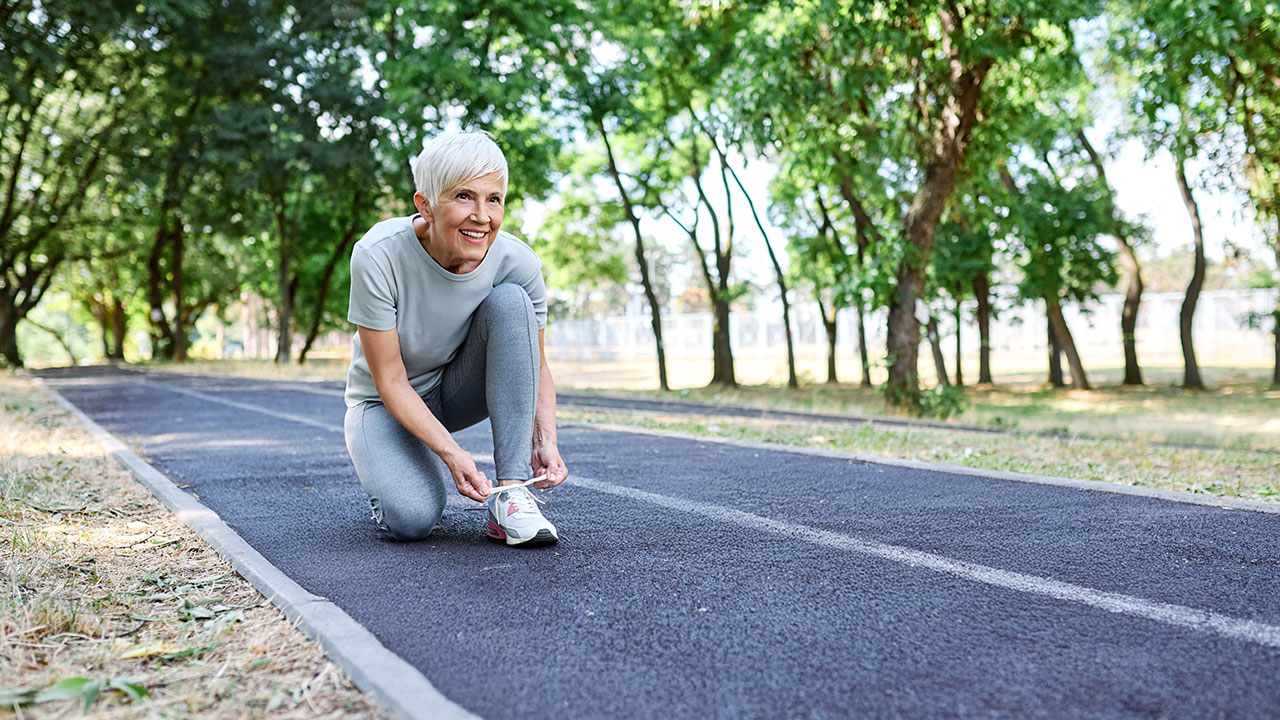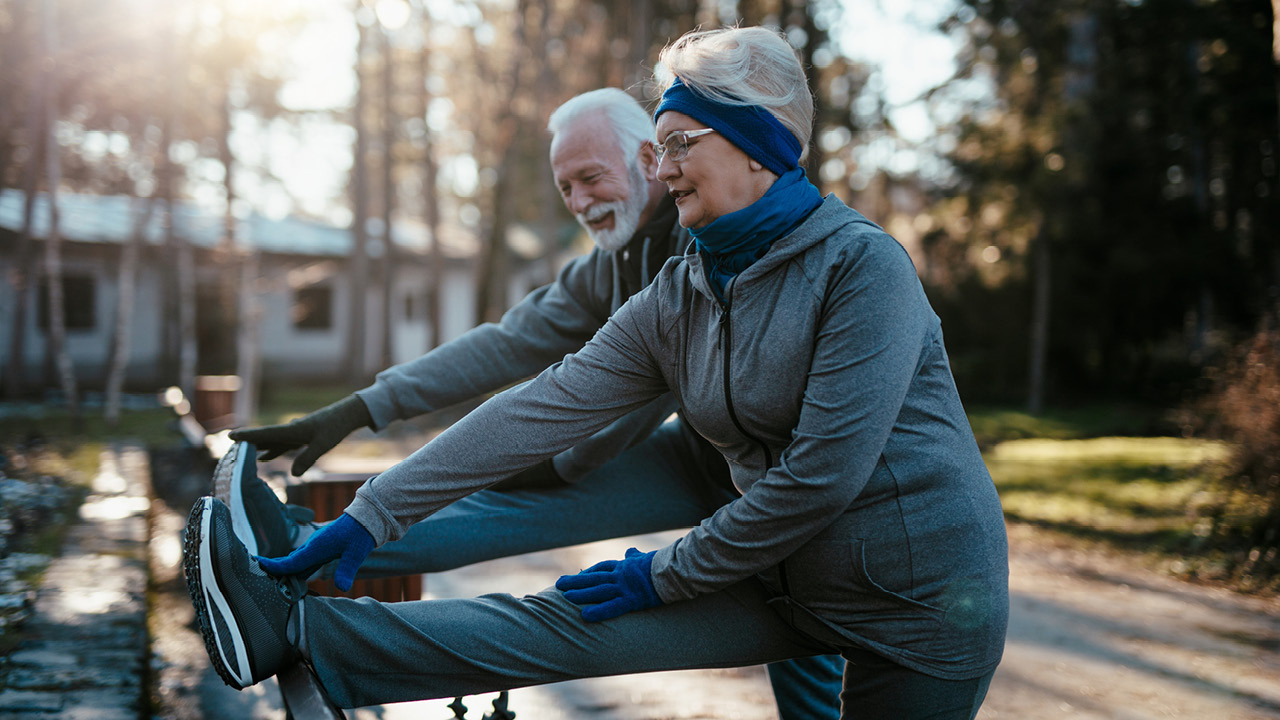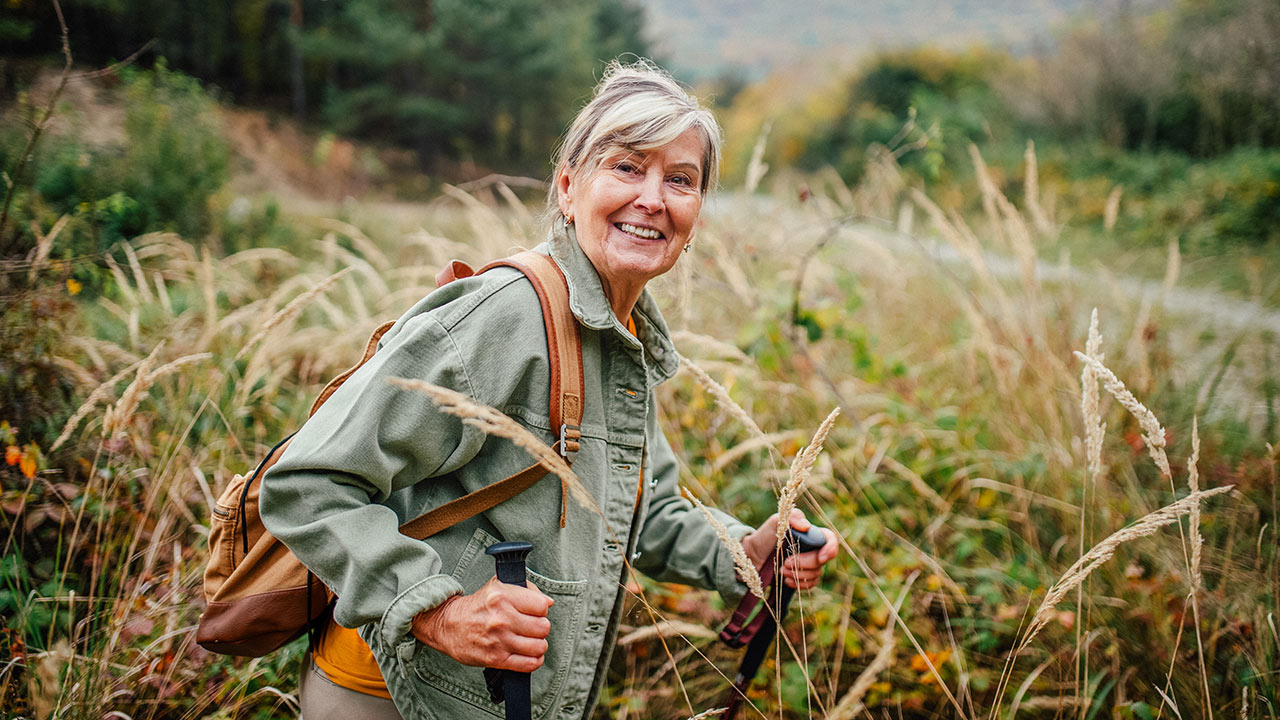
After more than 20 years working with people in their 70s, 80s and 90s, one of the most important things I’ve learned is that walking is about much more than exercise. It’s about life. It’s about being able to walk to the shops, get out into the garden, catch up with friends or enjoy a holiday with family. And the good news? You don’t need to walk kilometres every day to benefit. Small walking habits, repeated regularly, can help maintain your strength, confidence and independence. Here are five habits I encourage Australians in their 70s, 80s and 90s to build into everyday life.
1. Start smaller than you think you need to
One of the biggest mistakes people make when trying to become more active is starting too big. You decide to walk for 30 minutes every day, but after a few days you’re sore, tired and your enthusiasm disappears. My suggestion? Start smaller. Walk to the letterbox. Walk to the end of the street. Walk around the garden. When my mum was recovering from shingles in her 70s, walking up the hill of her driveway became a big goal. It took time, patience and plenty of small steps, but eventually she made it. That little walk was a huge achievement. If five minutes is comfortable, start there. If two minutes is enough, that’s fine too. Build up gradually, at a pace that’s right for you.
2. Attach walking to something you already do
Most of us are creatures of habit. We get up, have breakfast, read the paper, make a cuppa or watch the evening news. One of the easiest ways to walk more regularly is to connect it to something you already do. Perhaps you walk after breakfast, around the garden before your afternoon cuppa or to the local shops instead of driving. The beauty of this approach is that you don’t have to keep finding the motivation to exercise. Walking simply becomes part of your day.
3. Give your walking a purpose
I’ve met plenty of older Australians who tell me they don’t enjoy exercise. But when I ask what they love doing, their eyes light up. Gardening. Golf. Travelling. Visiting grandchildren. Meeting friends for coffee. These are the things that matter. Instead of walking because someone told you it’s good for your health, think about what you’re walking towards. Perhaps you’d love to walk around the local market again. Maybe you’re hoping to enjoy a holiday without worrying about keeping up. Having something meaningful to work towards makes it easier to keep going.
4. Change things up occasionally
Walking the same route at the same pace every day is certainly better than doing nothing. But it’s worth introducing a little variety when you feel ready. When you’re comfortable and confident with your usual walk, you might enjoy a different route, a gentle hill or a small change of pace. Even adding a few extra minutes can help build your endurance. Choose safe places to walk, wear supportive footwear and use a walking aid if needed. If you’re unsteady or returning after illness or injury, ask your physio or health professional for advice. The aim is to build confidence, one step at a time.
5. Make walking a social occasion
One of my favourite things about walking is that it brings people together. A morning walk with a neighbour. A regular stroll with a friend. Walking the dog or meeting someone for coffee. Having someone to walk with can give you an extra reason to get out the door, especially when motivation is low. And staying connected with people is an important part of enjoying life as we get older.
Keep your world open
As we get older, it’s easy for our world to become a little smaller. We stop walking as far. We avoid certain activities. Sometimes we lose confidence in things we used to do without thinking. But getting older doesn’t mean giving up the things we love. Our bodies can continue to build strength and improve mobility in our 70s, 80s, 90s and beyond. And every small step helps keep our world open. That’s why I believe moving is living.
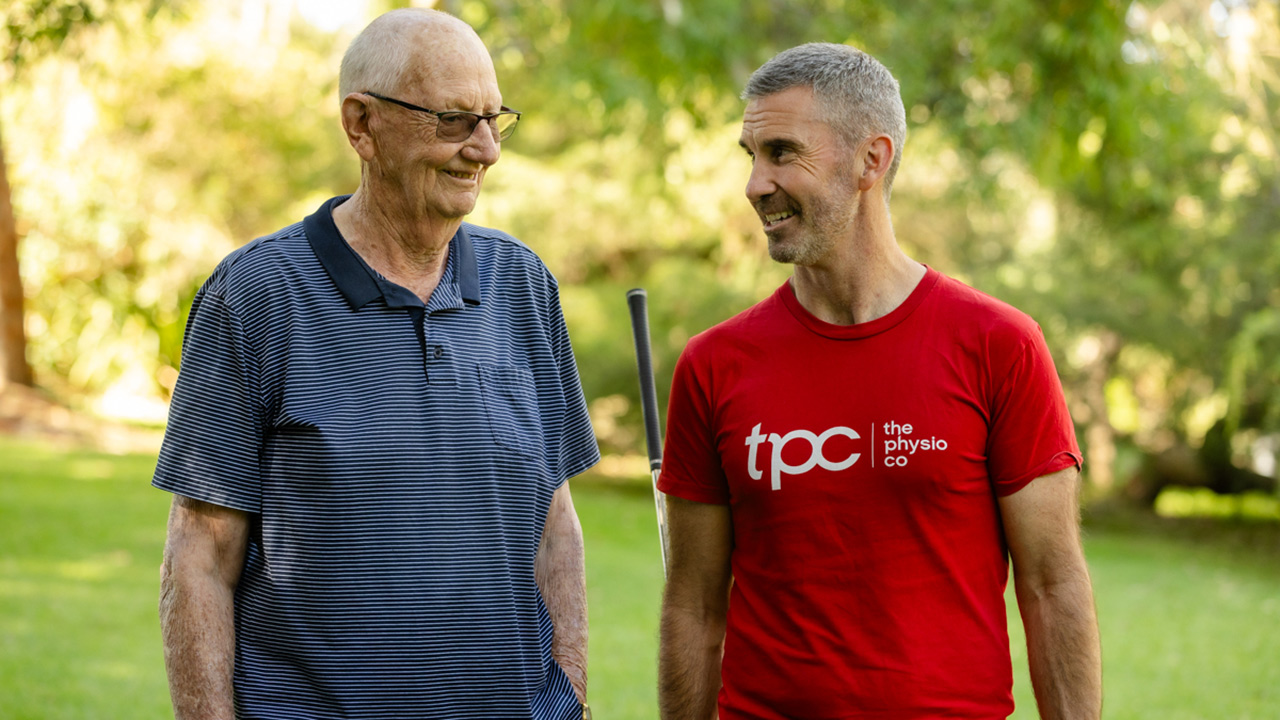
Tristan White, author of Moving Is Living, is a University of Melbourne-qualified physiotherapist and founder of The Physio Co. For more than 20 years, he and the TPC team have worked exclusively with people in their 70s, 80s and beyond, helping them stay active and independent. Moving Is Living brings together practical lessons and stories about staying active and doing more of the things you love. Find out more at www.thephysioco.com.au/new-book-moving-is-living/