Australians are living longer than ever, but are we living healthier? According to nutrition company HLTH+, millions of us are overlooking one of the most important foundations of good health: getting the nutrients our bodies actually need.
Despite living in a country blessed with fresh produce and world-class healthcare, most Australians fall short of recommended dietary guidelines. In fact, fewer than one in 20 adults eat the recommended daily amount of vegetables.
And for older Australians, the consequences can be particularly concerning.
The problem hiding in plain sight
When we hear the word malnutrition, we tend to picture someone who is severely underweight or simply not eating enough.
But malnutrition can also occur when our diets lack essential nutrients, even if we’re eating regular meals and appear perfectly healthy.
As we age, changes in appetite, digestion and muscle mass can make meeting our nutritional needs more challenging.
Over time, inadequate nutrition can contribute to muscle weakness, fatigue, slower recovery from illness and a greater risk of losing independence.
It’s why companies such as HLTH+ are encouraging Australians to rethink everyday nutrition, focusing not just on how much we eat, but on what we’re actually getting from our food.
Living longer is only half the story
Around half of Australians live with at least one chronic health condition, according to the Australian Institute of Health and Welfare.
And while medical advances are helping us live longer, those extra years aren’t always spent in good health.
That’s where the idea of healthspan comes in: the years we spend feeling healthy, active and able to enjoy life.
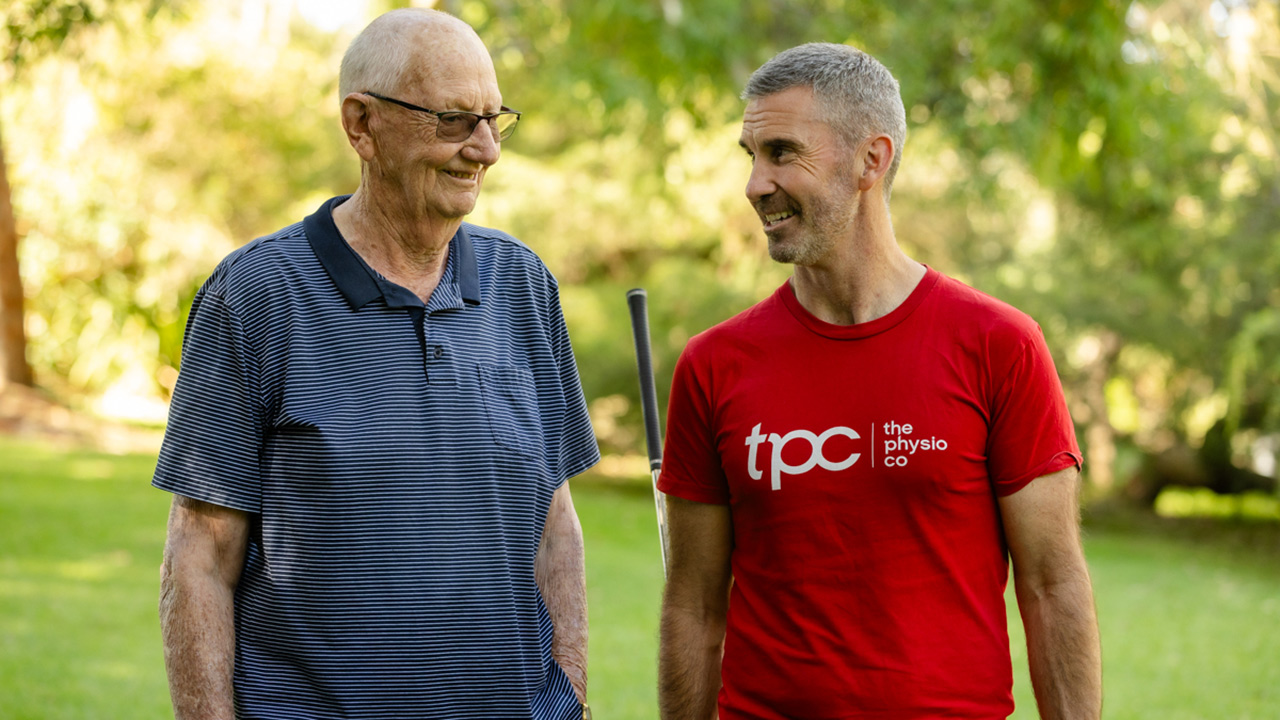
For those of us over 60, that might mean having the strength to travel, play with the grandchildren, tend the garden or simply remain independent at home.
Protein helps maintain muscle, calcium and vitamin D support bone health, and fibre helps keep our digestive systems functioning properly.
But getting enough of everything isn’t always easy, particularly when our appetites begin to change.
Why eating less can create new challenges
The rapid rise of weight-loss medications such as Ozempic and Wegovy has added another dimension to the conversation.
These GLP-1 medications can deliver significant health benefits, but they also work partly by reducing appetite.
That means people taking them may consume considerably less food, potentially making it harder to meet their daily protein, vitamin and mineral requirements.
For older adults already experiencing age-related muscle loss, maintaining adequate nutrition during weight loss is particularly important.
It’s a timely reminder that eating fewer calories doesn’t necessarily mean our bodies need fewer essential nutrients.
A simpler approach to daily nutrition
This growing awareness inspired Australian nutrition company HLTH+ to develop a different approach to traditional supplements.
Drawing on the precision and nutritional standards associated with infant formula development, the company has created an all-in-one daily nutritional drink formulated by accredited dietitians.
Rather than juggling multiple vitamins, protein powders and other supplements, HLTH+ combines key nutrients into one convenient daily serve.
Each formulation provides:
- 30g protein to support muscle maintenance and repair.
- 7g dietary fibre for digestive health.
- 5g collagen, alongside omega-3 fats including DHA.
- Prebiotics and 10 billion postbiotics for additional digestive support.
- Essential vitamins and minerals tailored to different life stages.
The formulas are also gluten-free and dairy-free, with no added sugar or artificial colours and flavours.
Recognising that nutritional needs change as we age, HLTH+ offers specific formulations for men and women over 50, designed to complement a healthy diet and support everyday wellbeing.
The company also focuses on nutritional support for people experiencing reduced appetite, including those using GLP-1 medications under medical supervision.
Of course, supplements aren’t a substitute for a varied diet, regular exercise or appropriate medical care. But for people struggling to meet their nutritional needs, they may offer a convenient way to help fill the gaps.
Making the most of the years ahead
The good news is that supporting better nutrition doesn’t have to mean completely overhauling your lifestyle.
Simple changes such as including protein at breakfast, eating more vegetables, choosing wholegrains and maintaining regular physical activity can all make a difference.
And when diet alone isn’t providing everything we need, additional nutritional support may be worth considering.
Because healthy ageing isn’t just about adding more years to our lives. It’s about having the energy, strength and independence to enjoy them.
Discover how HLTH+ is making everyday nutrition simpler and explore the range of formulas designed for different life stages.
This article has been produced in partnership with HLTH+. Information is general in nature and does not replace personalised medical or dietary advice. Consult your healthcare professional if you have concerns about your nutritional intake or are taking prescription medication.