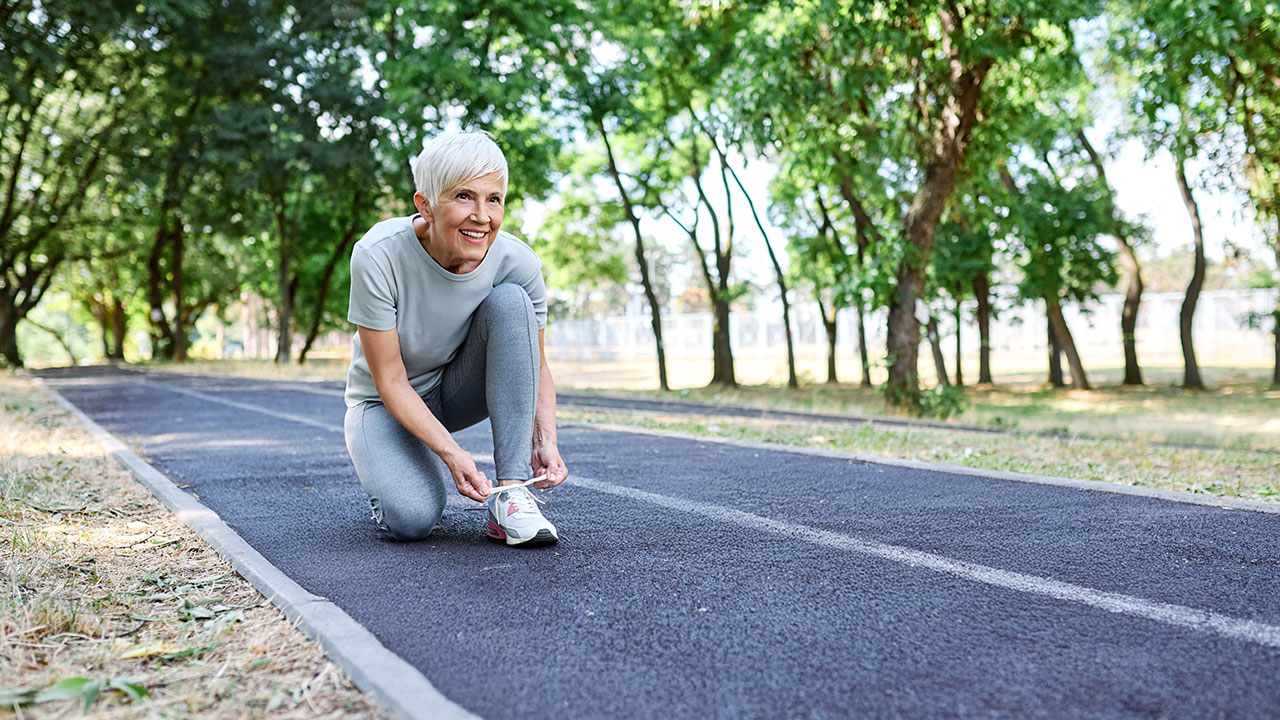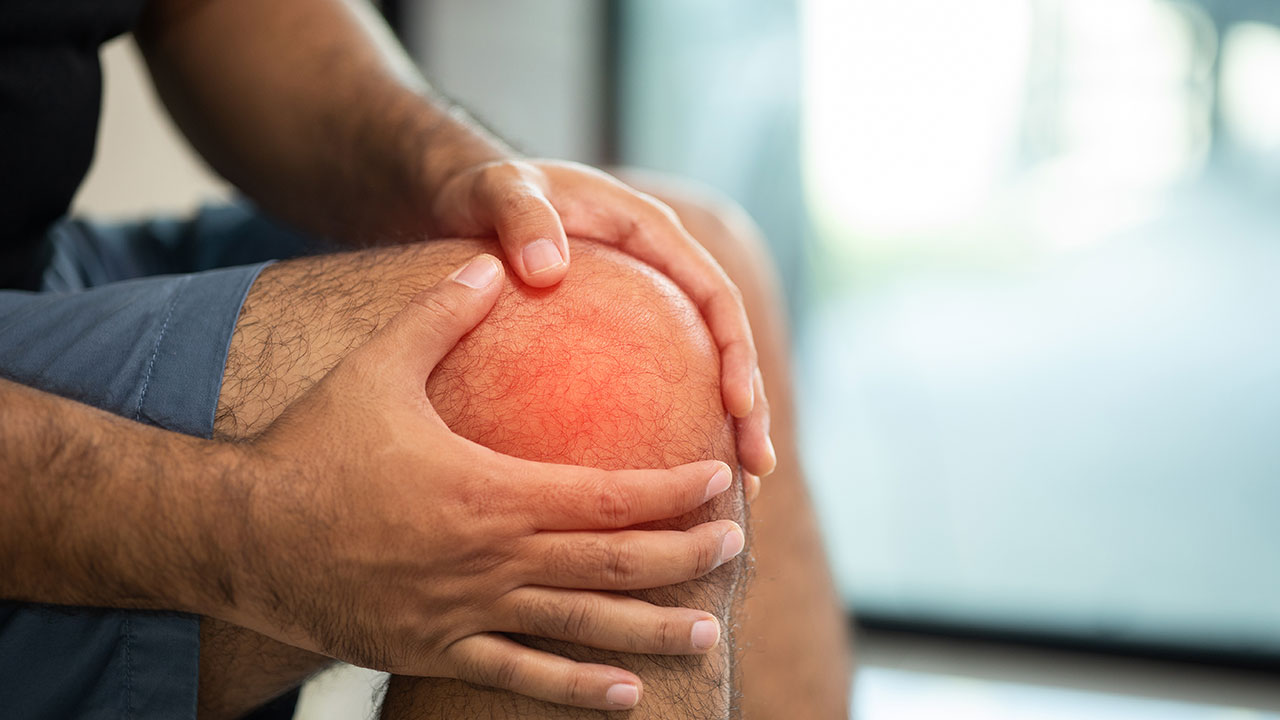
Retirement should be the time you finally get to do more of what you love. For plenty of people, though, it can become the time they start doing less. It rarely feels like a big decision. The daily walk to the station disappears along with the commute. Tennis can go on hold while a knee settles down, and somehow never comes off hold. Golf becomes golf in a cart. The bushwalk gets swapped for a coffee at the top car park. Each choice makes perfect sense on the day. That’s what makes it so sneaky.
I’m a qualified physiotherapist, and for more than 20 years my team at The Physio Co has worked with people in their 70s, 80s and beyond. One of the questions we hear most is: how do I avoid having a fall? It’s a good question. Falls matter. But after two decades of these conversations, I’ve come to believe the bigger risk is what happens when we stop asking our bodies to do very much.
Falls deserve the attention they get
Around one in four people over 65 will have a fall in any given year, and plenty more will have a wobble or near miss that shakes their confidence. Falling over can end in a broken bone, time in hospital and a long road back. Taking that seriously is sensible. But falls and movement are closely connected.
Sometimes people become less active over a long period and lose strength and balance. Other times it starts with a scare: a trip on the footpath, a sore knee, a friend breaking a hip, or one moment where you suddenly feel less sure on your feet. That’s when things can start to shrink.
The vicious cycle
In my presentations, I call it the vicious cycle. Fear and worry can lead to less movement. Less movement means your muscles don’t have to work as hard. Those muscles get weaker and your balance gets a little less sharp. Then you feel less confident, so you become more cautious again. Round it goes.
You might stop going for your regular walk. Avoid the uneven path. Ask someone else to carry the shopping. Decide the ladder can wait. None of those decisions seems dramatic. The trouble starts when caution gradually turns into avoidance.
Here’s the part that surprises people: the cautious response can turn out to be the riskier one. Pulling back feels safe, but moving less and less leaves you weaker, less confident and more likely to lose your balance. Your body is annoyingly good at adapting. Ask less of your legs and they’ll happily give you less back. The encouraging part is that this cycle can be interrupted. And you usually don’t need anything heroic to do it.
Protect the things you love doing
Your golf. Your garden. Your grandkids. Your travel plans. Walking the dog. Going to the footy. Those things matter because they give you a reason to keep moving. If something starts getting in the way, don’t automatically drop the activity altogether. Get the knee checked. Play nine holes instead of 18. Take the shorter track. Keep some version of the activity going as best you can.
Keep your legs strong
Leg strength powers so much of everyday life. Getting out of a low chair. Climbing stairs. Carrying shopping. Getting yourself up from the floor. Hauling a suitcase into the boot. You don’t need a gym. Take the stairs sometimes. Stand up from a dining chair ten times while the kettle boils. Carry your own shopping. Small bits of work add up.
Give your balance a regular workout
Balance is a skill, and like most skills, it gets rusty if we stop using it. Tai Chi, dancing, bowls, pickleball, walking on different surfaces. All of these ask your body to keep making small balance adjustments. My 76-year-old Mum wouldn’t miss her Monday line dancing crew for the world. She’s there because she loves it. The fact she’s getting a balance workout at the same time is a pretty handy bonus.
If you’re not sure what’s safe for you, talk to your GP or a physio and start from where you are now. Nobody gets to control every risk as they get older. But you do get a say in whether you keep using your body. So keep saying yes to the things you love. Keep giving your legs a job to do. Keep moving. That’s how you keep your options open.
Tristan White, author of Moving Is Living, is a University of Melbourne-qualified physiotherapist and founder of The Physio Co. For more than 20 years, he and the TPC team have worked exclusively with people in their 70s, 80s and beyond, helping them stay active and independent. Moving Is Living brings together practical lessons and stories about staying active and doing more of the things you love. Find out more at www.thephysioco.com.au/new-book-moving-is-living/