Exhaustion is often brushed off as the price of a busy life, especially for women juggling work, caregiving and countless other demands. But experts say that when energy levels suddenly drop without a clear reason, it can point to a serious underlying problem.
Research suggests women are more likely than men to notice warning symptoms in the days or even weeks before a major medical emergency. One of the most common is fatigue, which occurs in up to 70 per cent of women who go on to experience one. In a large study of people under 55 hospitalised for such an event, women were more likely than men to assume their symptoms were caused by stress or anxiety. They were also more likely to have seen a provider who did not link those symptoms to the real cause.
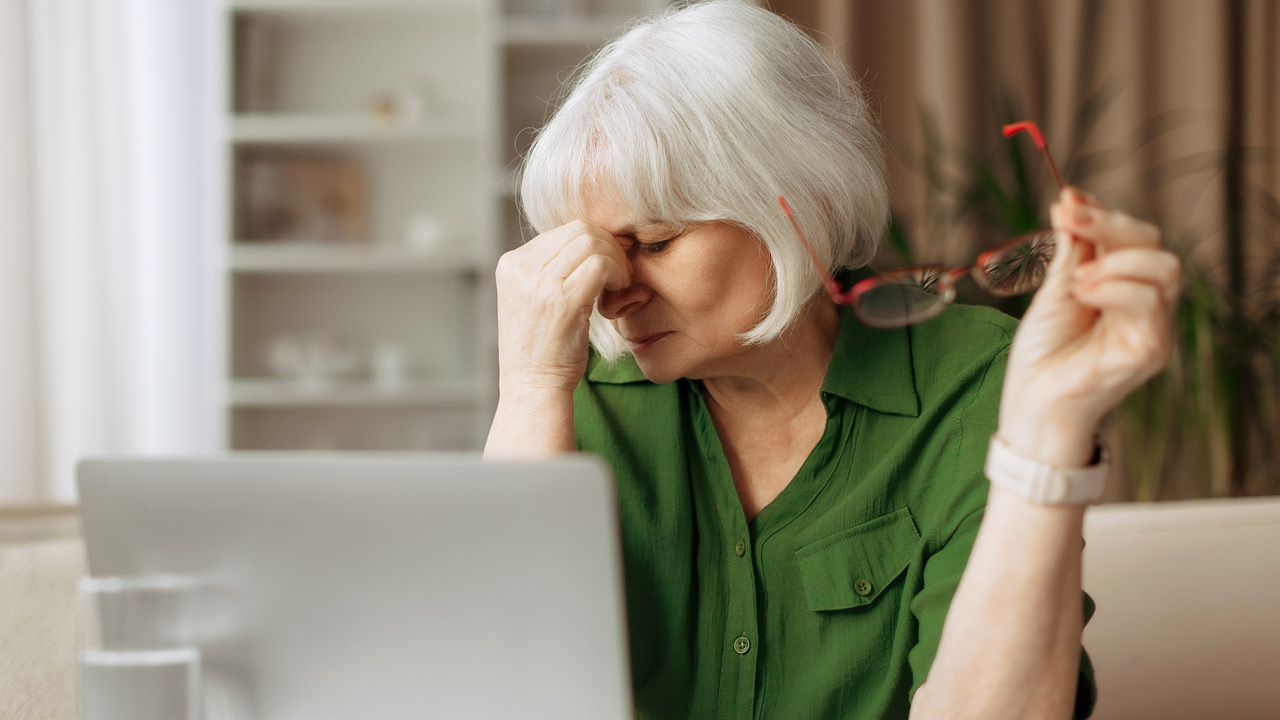
Experts say the most concerning kind of fatigue is not the normal tiredness that follows a long week or a run of poor sleep. Instead, it is a striking and unexplained drop from your usual energy level. It may continue for days or weeks, fail to improve with rest, and leave you waking up just as tired as when you went to bed.
Another warning sign is when exhaustion seems tied to physical effort. If a task that was once easy suddenly leaves you drained, that may be important. Experts point to examples such as no longer being able to hold your arms up long enough to blow-dry your hair, or finding that a regular daily walk suddenly feels overwhelming.
Experts say this happens because when the heart is not getting enough blood, it can become stiff and function less effectively. Over time, it struggles to pump enough blood to the rest of the body, meaning organs and muscles receive less oxygen and fewer nutrients, which can leave you weak and depleted.
Researchers still do not fully understand why women often have different symptoms. Much of the historical research into these medical emergencies was based on men, and for years the classic signs, such as chest pain and tightness spreading down the left arm, were assumed to apply equally to women. One theory is that differences in heart size and anatomy may change how the nervous system responds and how blood flow shifts through the body. Another is that the inflammation linked to plaque buildup may be more closely tied to fatigue in women.
There are also differences in the type of heart disease more commonly seen in men and women. Men are more likely to have obstructive coronary artery disease, where plaque blocks one of the three main vessels feeding the heart. Women more often develop microvascular disease, in which the tiny vessels in the heart become stiff or fail to widen properly. Experts say this can cause fatigue and chest pain even outside a major emergency. In some cases, that dysfunction worsens over time and limits blood flow enough to trigger a crisis without a blockage in a main artery, which may help explain why some women experience more gradual or vague symptoms over a longer period.
Fatigue should raise more concern when it appears alongside other symptoms. Chest pain remains the most common sign overall, but women are more likely than men to experience these events without chest pain and to have a greater number of non-chest symptoms. Experts say women may feel pressure in the chest rather than outright pain, or pain that begins elsewhere in the upper body instead of the centre of the chest. Other possible warning signs include jaw, neck or back pain, shortness of breath, nausea or vomiting, indigestion or heartburn, sweating, disrupted sleep, dizziness or lightheadedness.
Experts say mild tiredness alone is not always a reason to see a doctor. But persistent fatigue, exhaustion that comes with exertion, tiredness paired with other symptoms, or fatigue that does not improve within a few days should prompt medical attention. And if something feels wrong, they say it is worth trusting that instinct and seeking another opinion if your concerns are dismissed.
If the fatigue is debilitating or comes with symptoms that limit daily life, such as struggling to catch your breath, a distinct new upper-body pain or profuse sweating, experts say you should go to the ER. They also advise calling 000 rather than getting a lift, because a life-threatening arrhythmia or cardiac arrest could happen on the way. Experts say women often underestimate their symptoms, and it is better to seek help and be reassured than to wait too long.