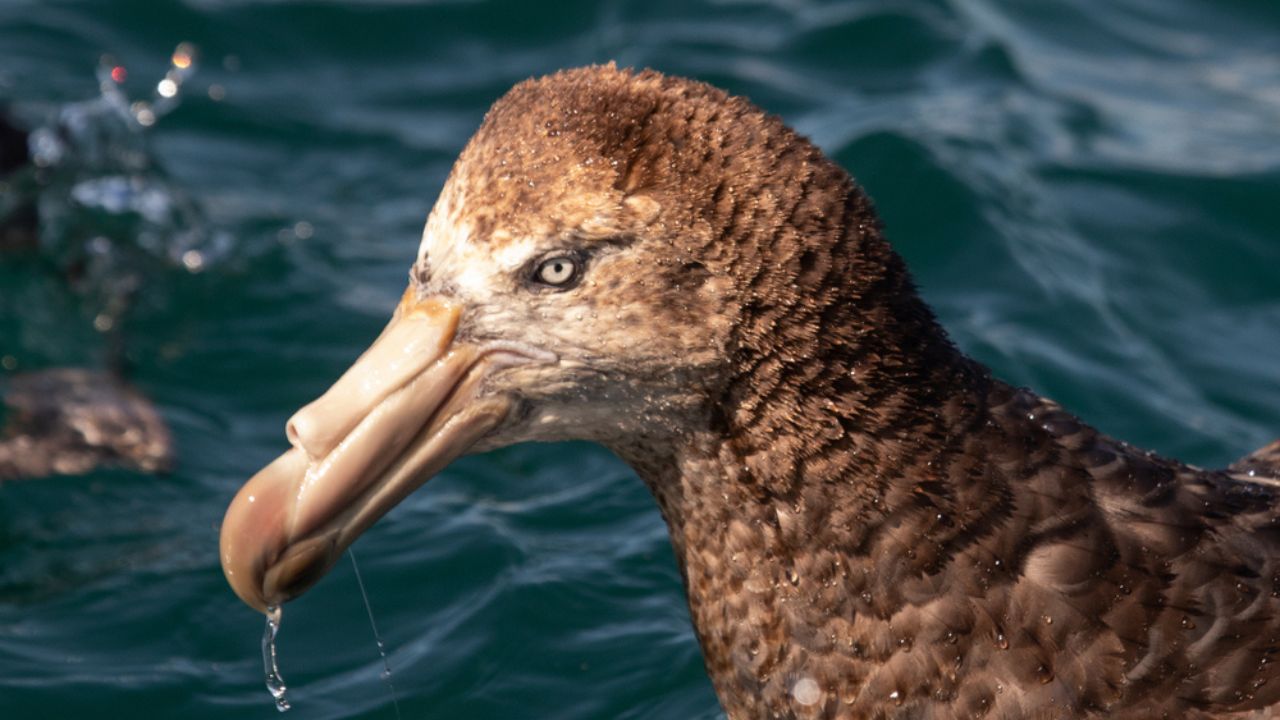
NSW has recorded its first suspected case of H5 bird flu after preliminary testing detected the virus in a giant petrel found near Hawks Nest, north of Sydney.
Samples from the seabird tested positive for H5 influenza and have been sent to the CSIRO’s Australian Centre for Disease Preparedness to confirm whether it is the highly pathogenic bird flu strain.
NSW Agriculture Minister Tara Moriarty said the suspected detection was a significant development.
“This latest development is incredibly concerning for both agriculture and for wildlife,” Moriarty said.
“The impact of H5 worldwide on wild birds and poultry has been devastating.”
The NSW Government said confirmed detections in Australia have so far been limited to vagrant migratory seabirds that “occasionally visit southern Australia”.
Moriarty said authorities had been preparing for the virus for years.
“NSW and the rest of the country have been preparing for this moment for many years,” she said.
“We are working with Federal, State and Territory governments as we roll out plans that have been developed with all stakeholders including industry, agriculture and wildlife organisations.
“The community can help by avoiding contact with sick or dead wildlife and their environment, recording what you see and reporting any unusual sickness or mass mortality to the Emergency Animal Disease Hotline.”
Surveillance efforts across NSW had already been expanded ahead of a possible detection, including establishing an H5 bird flu call centre and training more than 500 additional staff from Local Land Services and the National Parks and Wildlife Service.
The suspected NSW case follows confirmed detections of avian influenza in one migratory seabird in South Australia and four birds in Western Australia last month.
NSW Chief Veterinary Officer Jo Coombe said the State Coordination Centre had now been activated in Orange.
“We have established the H5 bird flu call centre and we are briefing all key stakeholders on the current situation,” Coombe said.
“We have innovative spatial mapping tools, decision-support systems and response databases to enable rapid, evidence-based action during a wildlife outbreak.
“We are using the best available data now to target actions for our most at-risk wildlife species and important natural places.”
Image: Shutterstock