Australian researchers have reported a potentially significant advance in Alzheimer’s research after creating a copper-based drug that restored memory and helped remove harmful proteins from the brain in laboratory tests.
The team at Monash University said the treatment strengthened the brain’s own “waste removal” process, helping it clear toxic proteins associated with Alzheimer’s disease more efficiently. The study, published in Nature Aging, has drawn attention from scientists seeking easier and less costly ways to treat the condition.
Alzheimer’s is the most common type of dementia and affects memory, behaviour and thinking. More than 480,000 Australians are now living with dementia, and that figure is expected to climb steeply as the population gets older.

The Monash-led researchers concentrated on amyloid-beta, a toxic protein that accumulates in the brains of people with Alzheimer’s. Instead of attacking that protein directly, they aimed to improve the brain’s natural cleaning mechanism.
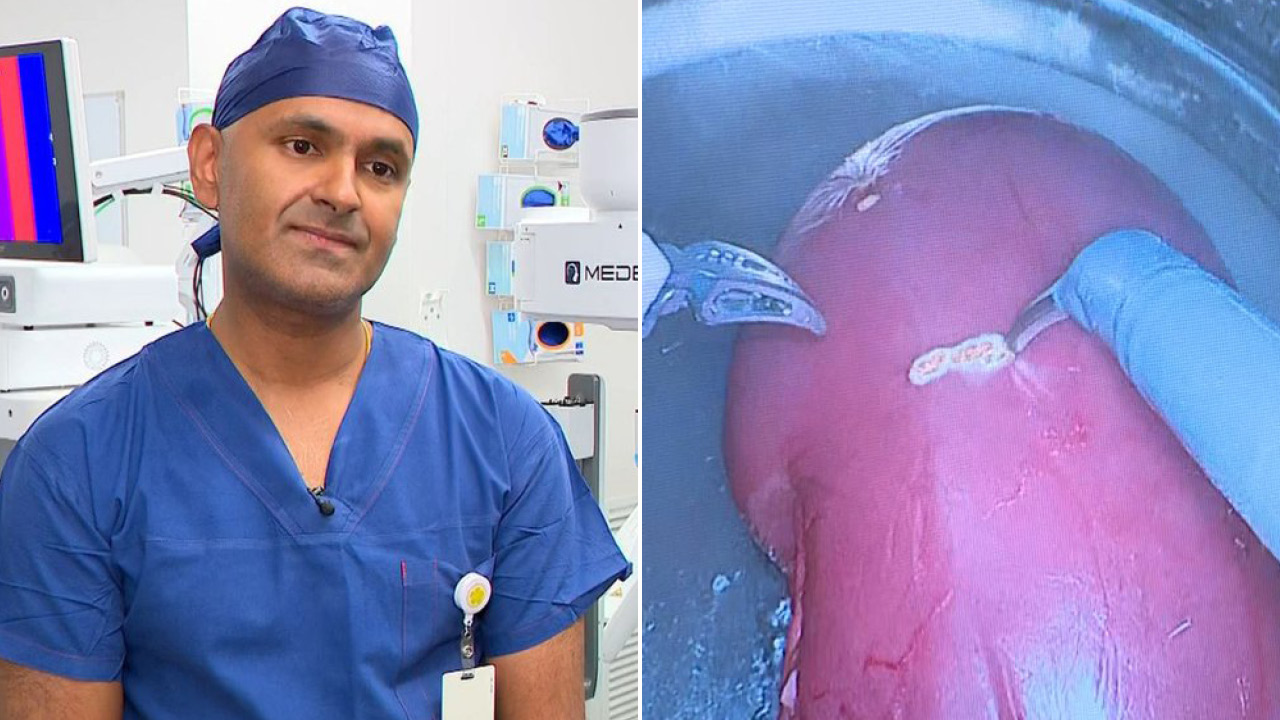
Lead researcher Dr Jae Pyun said the brain depends on tiny molecular “pumps” to clear away waste, but those pumps can deteriorate over time.
“Think of it like a blocked drain,” Dr Pyun said.
“If the pumps stop working properly, toxic proteins become trapped and start building up in the brain.”
The experimental treatment works by delivering small amounts of copper to help restore those pumps so they can function properly again.
In tests on mice genetically modified to develop Alzheimer’s disease, the researchers found a 42 per cent drop in amyloid-beta build-up. The mice also showed about a 44 per cent improvement in memory and learning compared with untreated mice.
The researchers believe the results indicate the treatment could help slow, or possibly reverse, some of the harm caused by the disease.
The drug compound has also already been through earlier safety testing for other medical conditions, something the researchers hope may help accelerate progress toward clinical trials in humans.
Researchers and experts have stressed that the work remains at an early stage, and that many treatments that succeed in animals do not go on to work in people. Even so, the team says the findings mark a promising development in the effort to find new ways to combat one of the world’s most feared diseases.