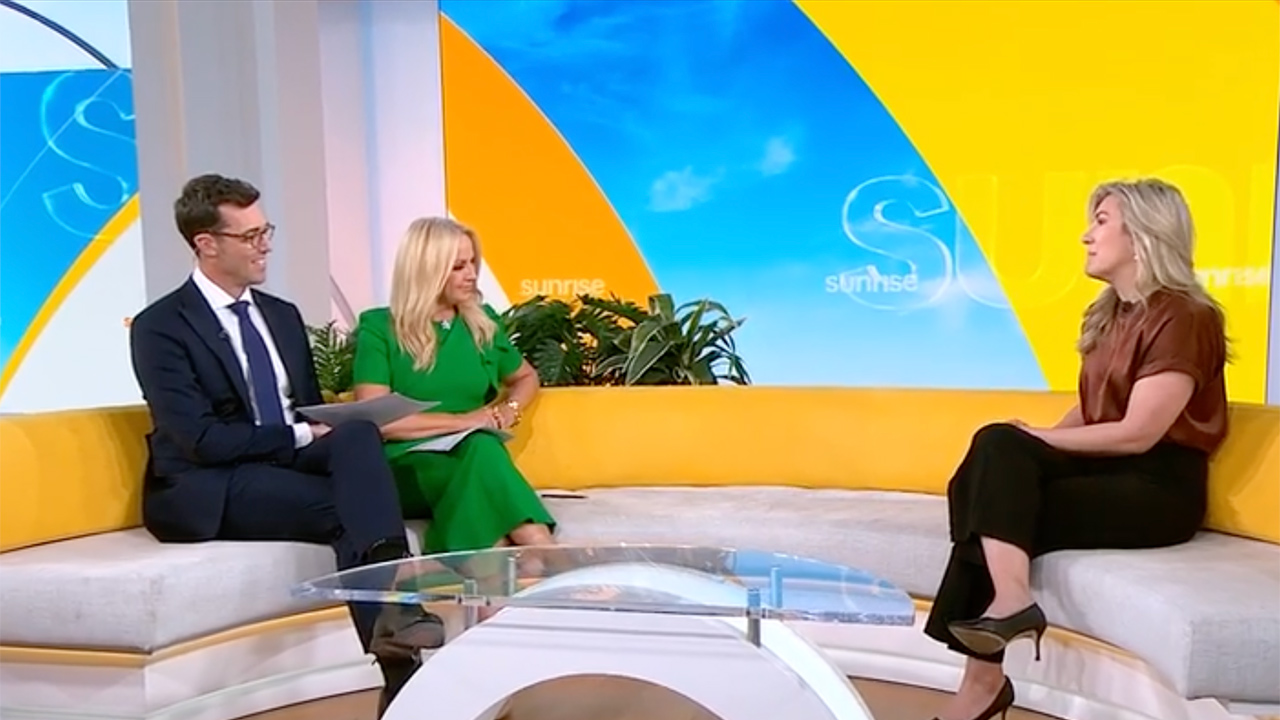
There are family stories that get told around the dinner table for generations. Others disappear forever when the people who lived them are gone.
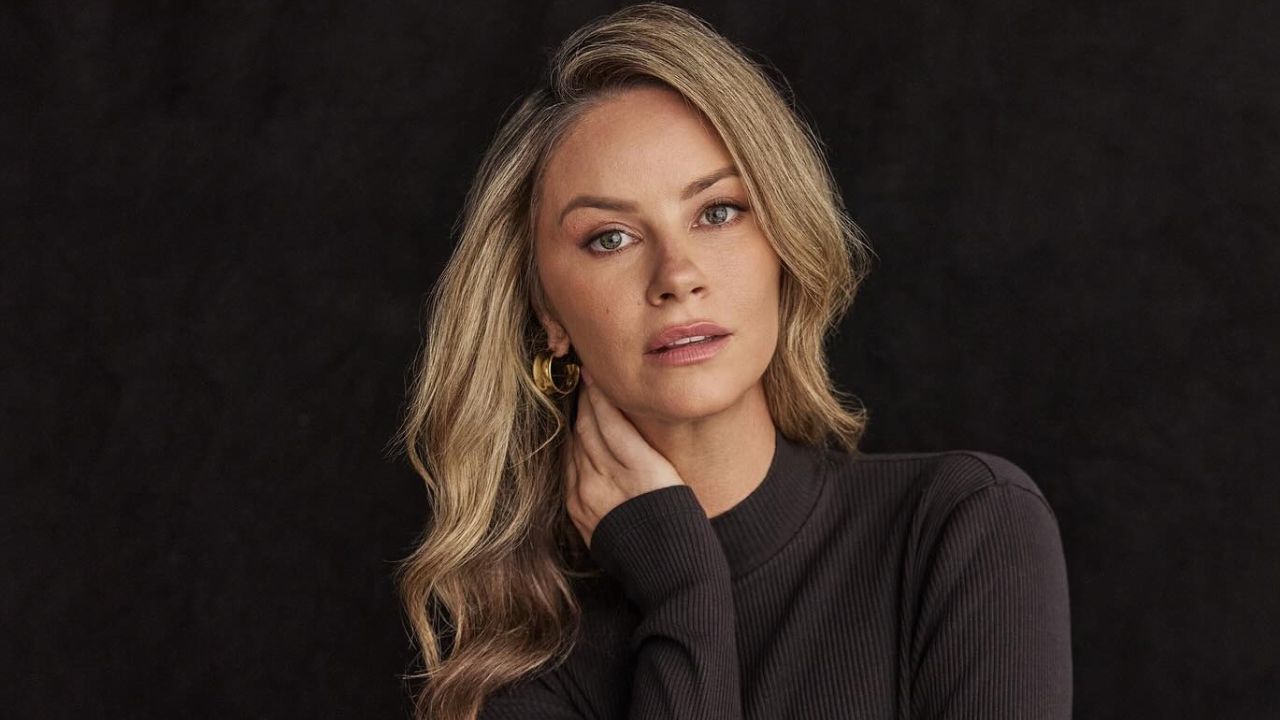
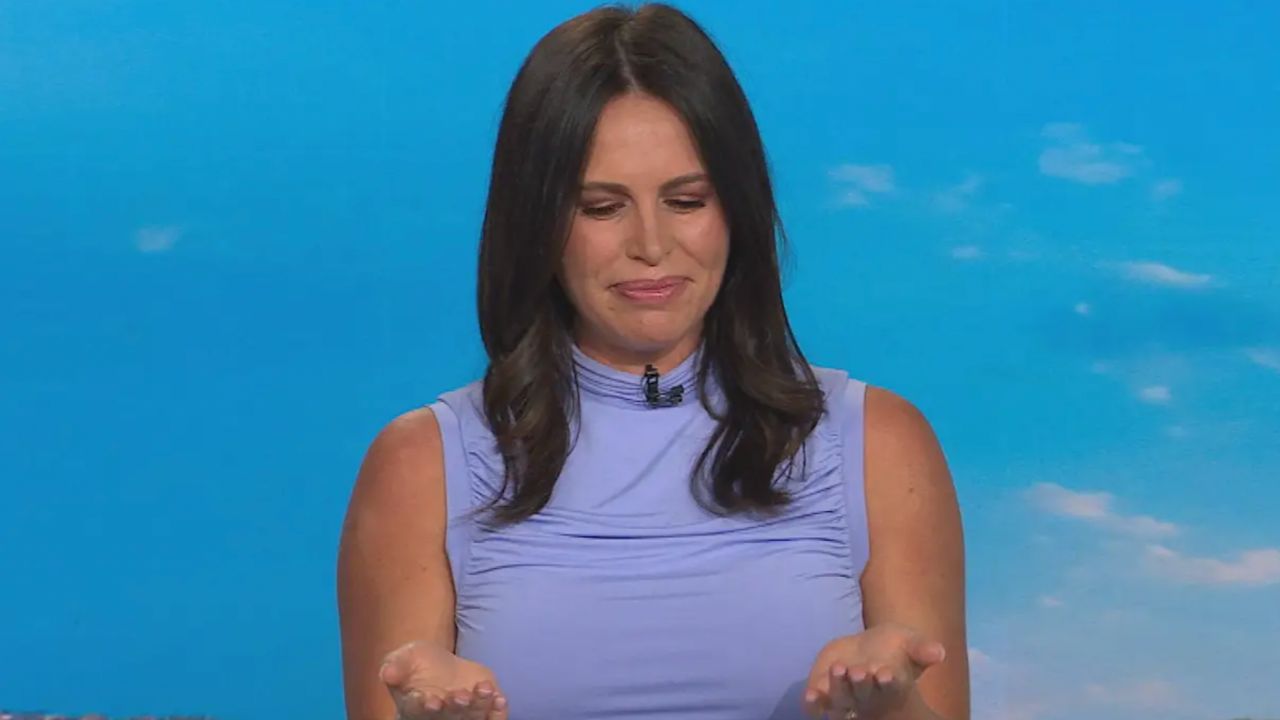
Sydney filmmaker Danika Armytage is determined to stop that from happening.
After two decades working as a television producer, Armytage now spends her days creating deeply personal mini-documentaries that capture the memories, wisdom and life stories of everyday Australians – preserving them for children, grandchildren and generations yet to come.
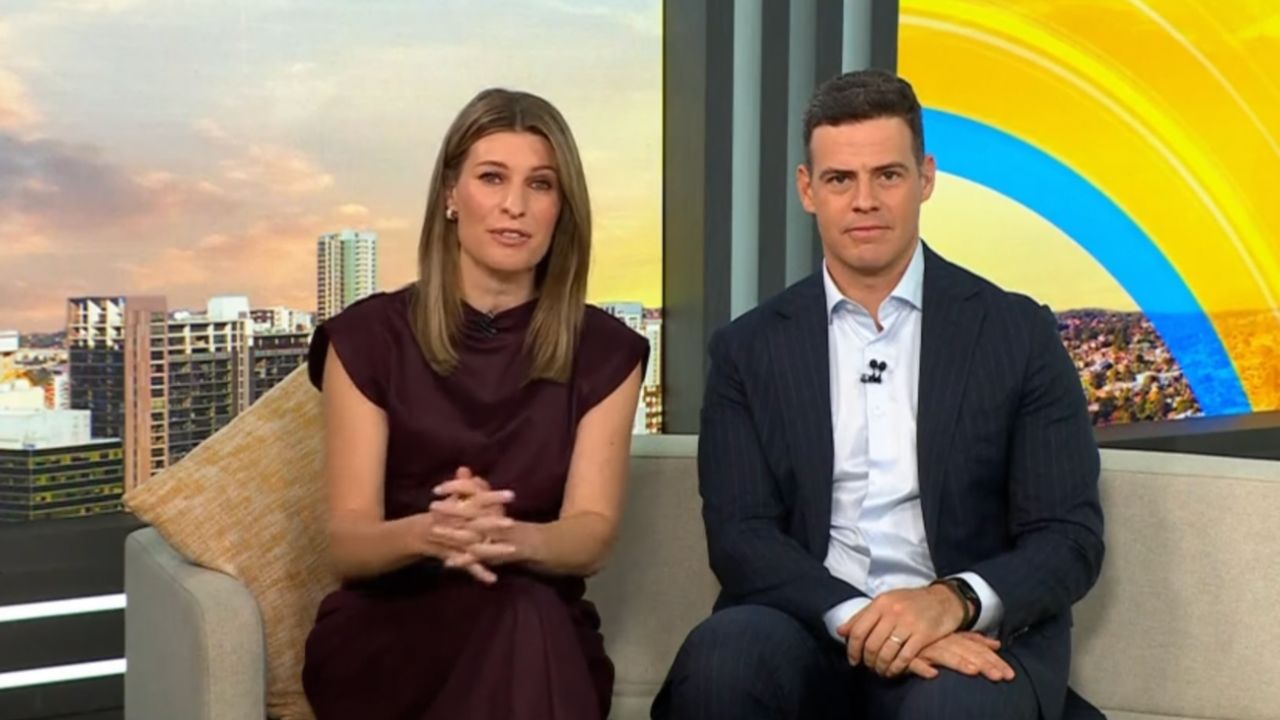
The inspiration came from someone very close to her. “It was when I interviewed my own granny years ago, and she passed away, that I realised how valuable that film is to my family,” Armytage told Sunrise.
That experience led her to launch Big Stories Little Films, a business dedicated to recording the lives of ordinary Australians whose extraordinary experiences might otherwise be lost with time.
Rather than focusing on celebrities or historical figures, Armytage sits down with parents, grandparents and great-grandparents, inviting them to share childhood memories, family traditions, life lessons and the moments that shaped who they became.
With August marking Family History Month, she hopes more Australians will take the opportunity to record the stories of older relatives while they still can.
One family she worked with wanted to preserve the remarkable journey of their ancestors, who survived Stalin’s purges during the 1930s before eventually building a new life in Australia.
“They survived Stalin’s purges in the 1930s and overcame a lot to survive and be here in Australia. And they didn’t want that history to be missed out on,” Armytage said.
“It was really special to know that story is now safe for future generations.”
Although the work can be emotional, Armytage says it has become the most rewarding chapter of her career. “It’s the most meaningful work I’ve ever done. Every film is different, and it always feels like I’m sharing a gift for future generations,” she said.
The good news, she says, is that preserving family history doesn’t require professional equipment or a production crew.
A smartphone, a quiet room and a willing storyteller are often enough.
Her practical advice is simple: film horizontally, sit near a window for natural light, minimise background noise, back up the footage and make sure copies are shared with family members. She has also produced a downloadable guide filled with conversation starters, including questions about childhood, treasured family traditions and the moments people are most proud of.
For many Australians over 60, those conversations may feel like everyday chats. But for the generations that follow, they could become priceless family treasures.
Image: Sunrise