For all the controversy that has surrounded Dr Charlie Teo in recent years, one thing remains abundantly clear: the Australian neurosurgeon has no intention of walking away from the operating theatre.
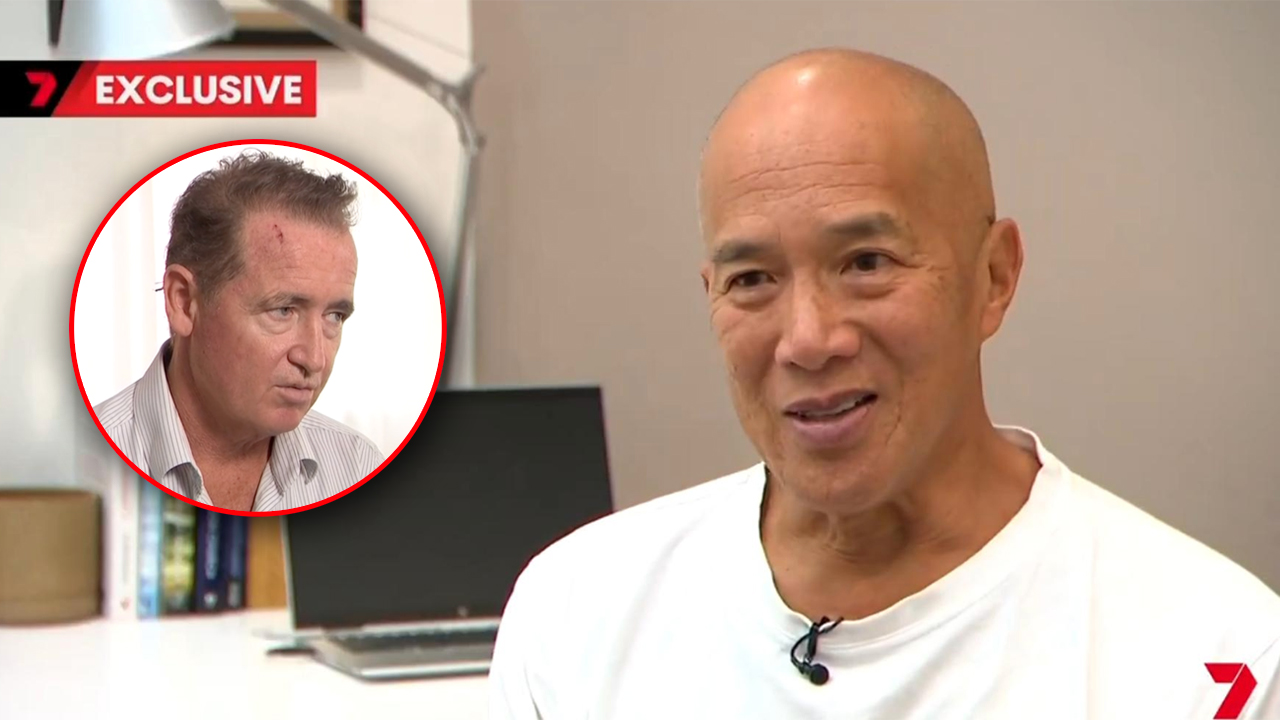
In a revealing interview with 7NEWS journalist Chris Reason, Teo has spoken candidly about the restrictions that have effectively prevented him from performing brain surgery in Australia and the Australians who continue to seek his help overseas.
Now approaching his 70th birthday, the surgeon has become something of a fly-in, fly-out specialist, performing complex brain operations abroad on patients from his home country.
But it is those he believes he could be helping in Australia who weigh heavily on his mind.
Teo told Reason he believed Australians were dying every day who might otherwise have benefited from his surgical expertise.
In 2023, Teo was found guilty of unsatisfactory professional conduct following an investigation into two high-risk brain surgeries. Both patients failed to regain consciousness after their operations and subsequently died.
The disciplinary committee found serious shortcomings in his clinical judgement and the process of obtaining informed consent.
Restrictions imposed on his practice mean he requires written support from another approved neurosurgeon before performing certain procedures in Australia.
Teo continues to dispute the findings and believes the repercussions have extended well beyond his own career, arguing that other surgeons have become increasingly reluctant to undertake particularly challenging operations.
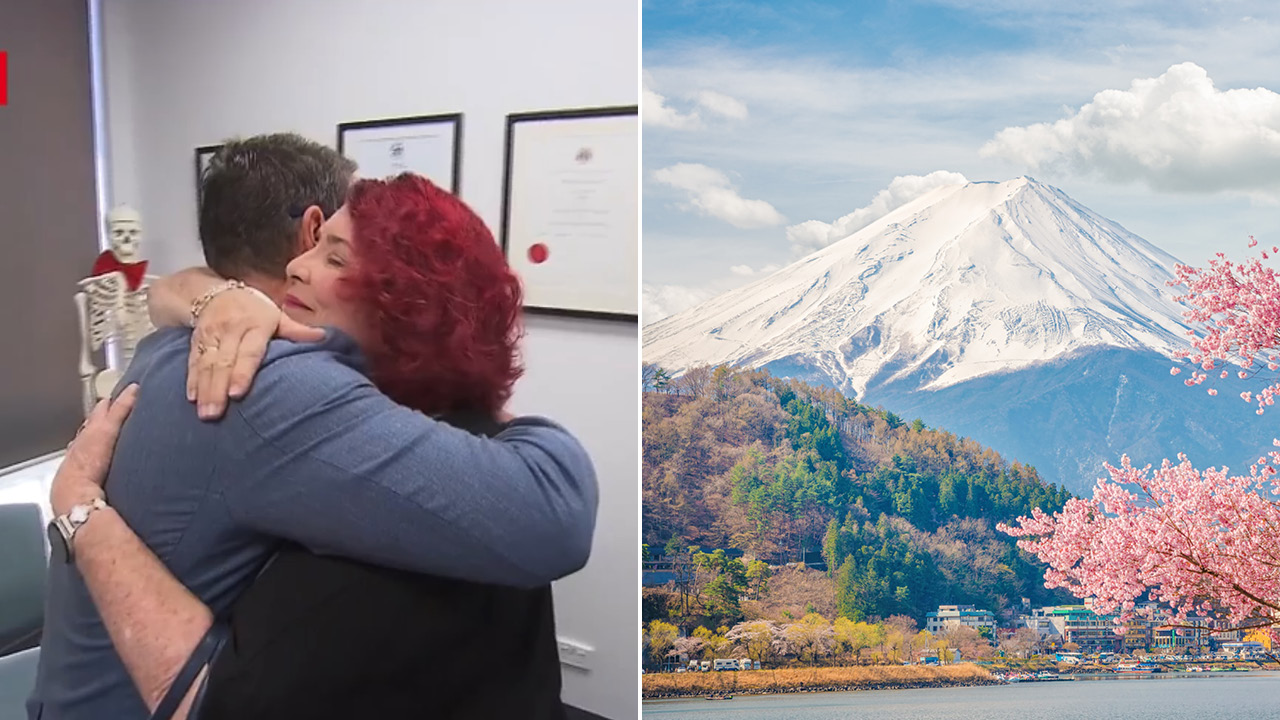
Perhaps the most moving part of Reason’s report was the testimony of Matt Hourn, a father of four whose life was turned upside down when he collapsed at a Christmas party last year and was diagnosed with brain cancer.
“I was told to go home and die,” Hourn told 7NEWS.
Faced with that devastating prognosis, Hourn contacted Teo and travelled to China to undergo surgery.
Remarkably, within a week of receiving that dreadful news, he was back on Australian soil, having undergone an operation to remove his tumour.
His gratitude towards the surgeon was unmistakable, and he is now among those calling for Teo to be allowed to resume operating in Australia.
For families facing the heartbreak of a devastating diagnosis, Hourn’s experience offers a deeply personal perspective on the importance of having treatment options.
Teo says he has operated on almost 100 Australians overseas since the restrictions were imposed, claiming a 95 per cent success rate. He also acknowledged that some patients had experienced poor outcomes.
The NSW Health Care Complaints Commission has confirmed that Teo has avenues available to seek a review of the conditions imposed on his medical registration. Despite this, the surgeon appears increasingly resigned to the prospect of never operating in his home country again.
It is a particularly poignant situation for a man who has devoted much of his professional life to neurosurgery and who, despite approaching an age when many Australians are happily settling into retirement, still wants to work.
Asked whether retirement was on the cards, Teo’s response was emphatic. “Absolutely not. God gave me a talent. I’m very good at it. I love it,” he said.
The debate surrounding Teo’s future raises difficult questions about patient safety, informed choice and the circumstances in which the risks of complex surgery can be justified. There are no easy answers, and the experiences of families who have lost loved ones must never be overlooked.
But for grateful patients such as Hourn, the issue is also an intensely personal one.
They would dearly love to see the surgeon who gave them hope given an opportunity to work in Australia again.