Here’s a question I love asking people in their 70s and 80s. How old do you feel?
Almost nobody gives me the number on their birthday cards. They usually name a younger age, often with a grin. I reckon they’re right, and I think that answer matters more than most people realise.
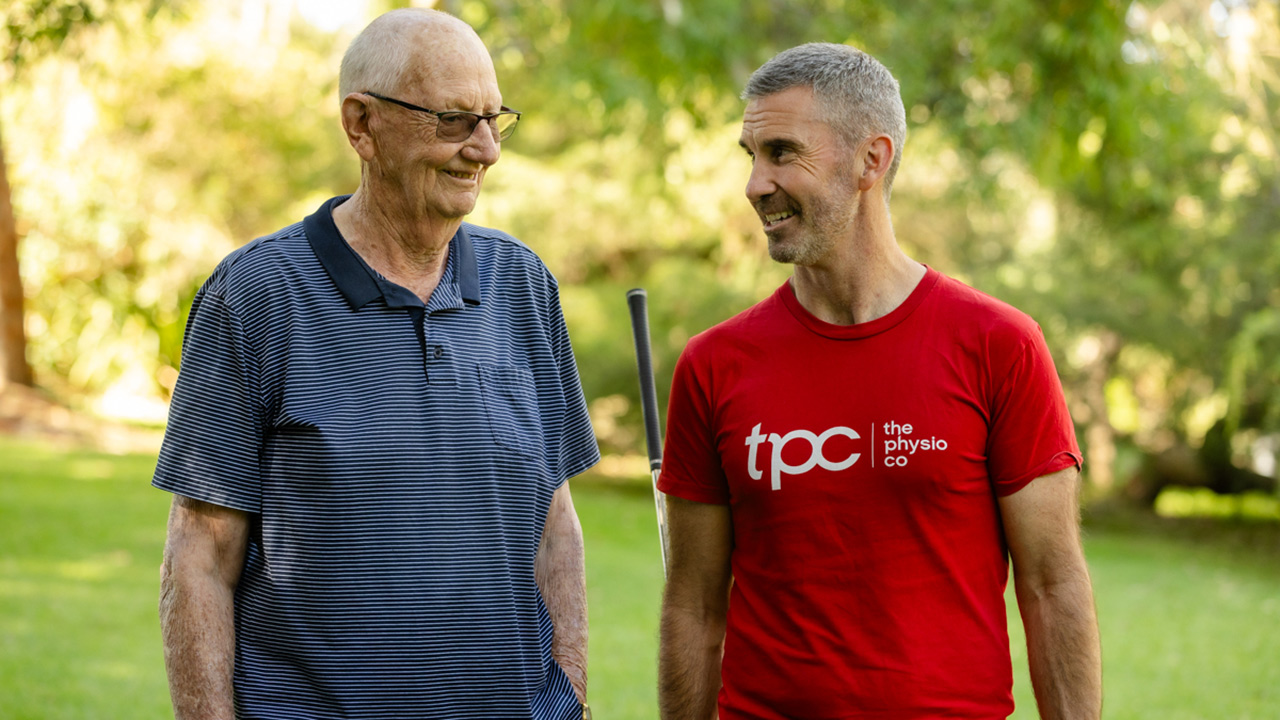
I’m a physiotherapist by training. Since 2004, I’ve worked with people in their 70s, 80s and beyond, often visiting them in their own homes.
After all those years and all those lounge rooms, one thing stands out to me. The people who stay active and independent weren’t always the strongest to begin with. What they share is a way of thinking.
Believe, attempt, keep
Here’s how I explain it. What you believe shapes what you attempt. What you attempt shapes what your body keeps.
Your body is sensible and efficient. It holds on to as much strength, balance and stamina as you regularly ask of it, and very little more.
If you believe the walk to the shops is beyond you, you take the car. If you believe a holiday with lots of walking is too much, you book the one with a nice balcony and a short stroll to breakfast.
None of those choices seems like a big deal on its own. Make enough of them, though, and your legs adjust to the life you’ve chosen for them.
I get a reminder of this after my own lazy holidays. A week of sleep-ins and too many sweet treats, and my body lets me know about it the moment I get moving again. If it happens to a physio, it can happen to anyone.
The good news is that the cycle runs just as well in the other direction. Ask a little more of your body and it keeps a little more.
That’s why I put mindset right alongside muscles. Your muscles do the work. Your mindset decides whether they get asked.
None of this means pretending that ageing isn’t real. Bodies change. Sometimes we need to adapt, and occasionally we need to let something go.
But there’s a big difference between respecting a limitation and deciding everything from here is downhill.
Here are three ways to put that to work.
Change one sentence
Listen to how you talk about yourself. “I’m too old for that” tells your brain the matter is closed. “I’ll give it a go” leaves the door open.
The same goes for the questions you ask. “Can I manage it?” invites a no. “What would it take to get there?” invites a plan.
Give your movement a reason
“Get fitter” is a hard thing to leave a comfy chair for.
Walking the dog is easier. So is a Friday walk with a friend, a trip to the footy, or getting down on the floor with the grandkids.
Pick the thing that matters to you and say it out loud. The movement matters because the life on the other side of it matters.
Confidence comes after you start
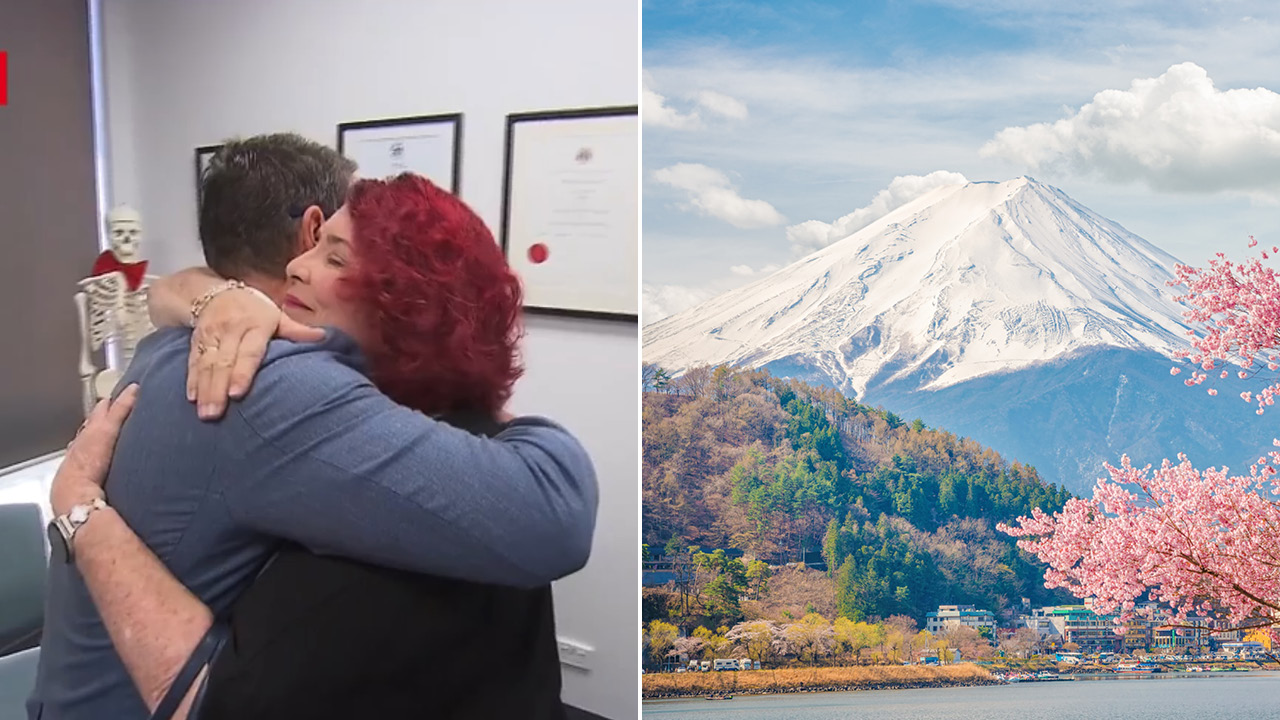
One of my favourite examples is a 93-year-old woman who set herself a pretty ambitious goal. She wanted to travel to Greece for a family wedding and, importantly, she wanted to walk the streets once she got there.
At the time, even the walk from her front door to the letterbox felt daunting. Greece was a long way from the letterbox.
But the goal mattered to her, so she started where she was. She practised walking. She worked on her strength. Little by little, the distances grew.
She made it to the wedding, and she walked those streets.
She didn’t wake up one Tuesday feeling fearless. Her confidence grew because she built momentum. She did a little more than she thought she could, then did it again, and each small win gave her another reason to believe.
Most of us wait until we feel ready before we join the walking group or book the trip. In my experience, feeling ready usually turns up after you start.
The first walk around the block might feel hard. By the fifth, it’s a little easier.
Three questions for this week
If you’ve noticed yourself doing a bit less lately, try asking yourself three questions:
- What have I stopped doing because I decided I was too old for it?
- What do I want to be doing five years from now?
- What’s one small thing I could practise this week to help me get there?
The answer doesn’t need to be a marathon or a mountain. Small counts. Small is usually where the good stuff starts.
Your muscles need to be challenged if you want them to stay strong. Every now and then, your expectations might need challenging too.
Tristan White, author of Moving Is Living, is a University of Melbourne-qualified physiotherapist and founder of The Physio Co. For more than 20 years, he and the TPC team have worked exclusively with people in their 70s, 80s and beyond, helping them stay active and independent. Moving Is Living brings together practical lessons and stories about staying active and doing more of the things you love. Find out more at www.thephysioco.com.au/new-book-moving-is-living/