When your appetite all but disappears, it can be tempting to think your body doesn’t need much food. But there’s an important difference between eating less and getting enough nutrition.
As a nutritionist, this is one of the things I really want older Australians taking GLP-1 weight-loss medications to understand.
These medicines can help reduce appetite and support weight loss, but if you’re regularly eating too little, you may not be giving your body what it needs to maintain muscle and strength.
That’s particularly important as we get older, when we naturally become more susceptible to losing muscle mass and strength, which can eventually contribute to a condition known as sarcopenia.
Our muscles help us do the everyday things many of us take for granted: getting out of a chair, climbing stairs, carrying the shopping and keeping our balance. Protecting them is about maintaining our independence, not simply looking fit.
So, what should you eat when you’re just not hungry?
Put protein first
I’d encourage people to include a source of protein whenever they eat, particularly if they’re managing smaller meals.
Eggs, fish, chicken, Greek yoghurt and cottage cheese are all useful options. Two eggs provide around 12-13 grams of protein, a small tin of tuna can provide around 20-23 grams, and 100 grams of cooked chicken breast contains around 30 grams.
Rather than trying to get through three large meals a day, try spreading your food intake across smaller meals and snacks. Yoghurt with berries, eggs on toast or a small serve of chicken or fish are all good options.
But don’t focus on protein at the expense of everything else. Fruit, vegetables, wholegrains and dairy provide valuable fibre, vitamins and minerals, while nutrients such as calcium, vitamin D and vitamin B12 are particularly important as we age.
Make every mouthful count
When you’re eating less, it’s worth making sure every meal is working a little harder for you.
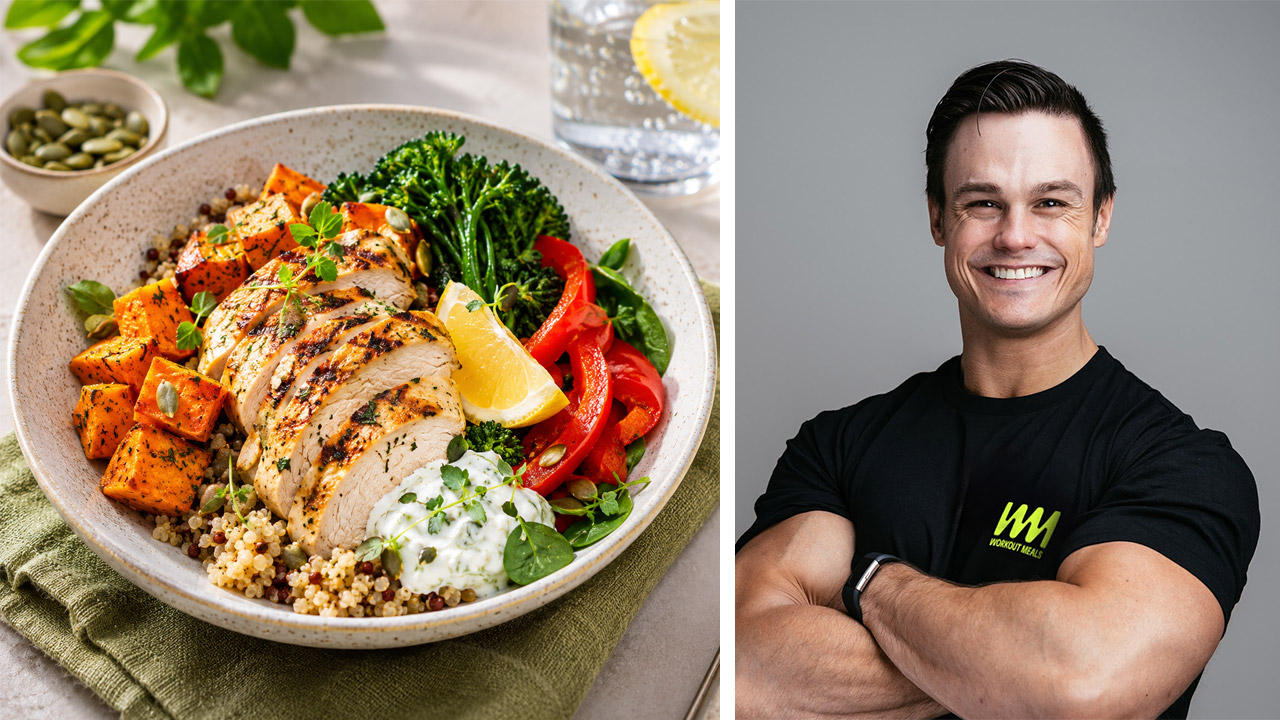
This is the thinking behind the GLP-1 meal pack developed by Australian meal provider Workout Meals, which I work with. The aim was not simply to shrink a regular meal, but to offer a more manageable portion that still contains at least 30 grams of protein.
For someone with an individual protein target of 120 grams per day, for example, two of these meals would provide half that amount, with the remainder coming from breakfast and smaller snacks.
I see them as a convenient starting point rather than a complete solution. A balanced diet, adequate hydration and regular strength-building exercise are all important, too.
Look beyond the bathroom scales
If you’re losing weight, pay attention to how you’re feeling and what you’re physically able to do, rather than simply celebrating the falling numbers on the scales.
Are you finding everyday tasks more tiring? Is carrying the shopping becoming more difficult? Are you feeling weaker than usual?
Unusual fatigue, declining strength or difficulty performing everyday activities may be signs that you’re not getting enough nutrition.
If you’re regularly struggling to eat or drink, or experiencing persistent nausea or weakness, speak with your doctor or an accredited practising dietitian.
My advice is simple: don’t let a smaller appetite mean you stop nourishing your body.
The goal isn’t just to lose weight. It’s to stay strong, maintain your independence and keep doing the things you love.
GLP-1 medications should be used under medical supervision, with nutritional advice tailored to individual needs. This is particularly important for people with existing health conditions, such as kidney disease, where protein requirements may differ. Seek guidance from your treating doctor or an accredited practising dietitian.