Spending more on a cruise does not buy a better version of the same holiday. It buys a different holiday altogether, and which one suits you has nothing to do with how much you are willing to spend and everything to do with what you actually want from your days at sea. We have priced up three tiers of cruising this November, when Black Friday cruise sales and the new-year Asia deals period overlap, to work out exactly where the extra dollar goes and when it is worth spending.
The gap between a bargain fare and a premium one looks enormous on paper. Mainstream cruise lines can advertise seven nights from roughly $750 per person, while entry-level luxury ocean sailings of the same length start around $1,600 to $4,000 depending on season and itinerary. But that headline figure only tells half the story.
What a cheap fare does not include
A mainstream fare is really a deposit on the holiday rather than the full price of it. Drinks, Wi-Fi, gratuities and shore excursions all sit outside the base fare and get added once you are onboard, and gratuities alone typically run $18 to $25 per person per day if they have not been bundled in advance. Add a drinks package, a specialty dinner or two and a couple of excursions, and a bargain mainstream sailing can end up costing as much as a luxury fare by the time the final bill lands in your cabin.
Drink and dining packages are designed to soften that blow, but they come with conditions worth knowing before you buy. Princess charges $79 per person per day for its Plus package and $129 for Premier, claiming savings of 50 to 70% against buying drinks, Wi-Fi and dining separately. Carnival’s entry-level Essentials package starts at $60 per person per day, and Celebrity says its All Included fares save between $200 and $1,000 per cruise over paying as you go. The catch is that every adult sharing a cabin must buy the same package, and the value only stacks up if you would genuinely use what is included. A light drinker paying for a full beverage package every day is simply handing the cruise line money back.
Where premium cruising earns the upgrade
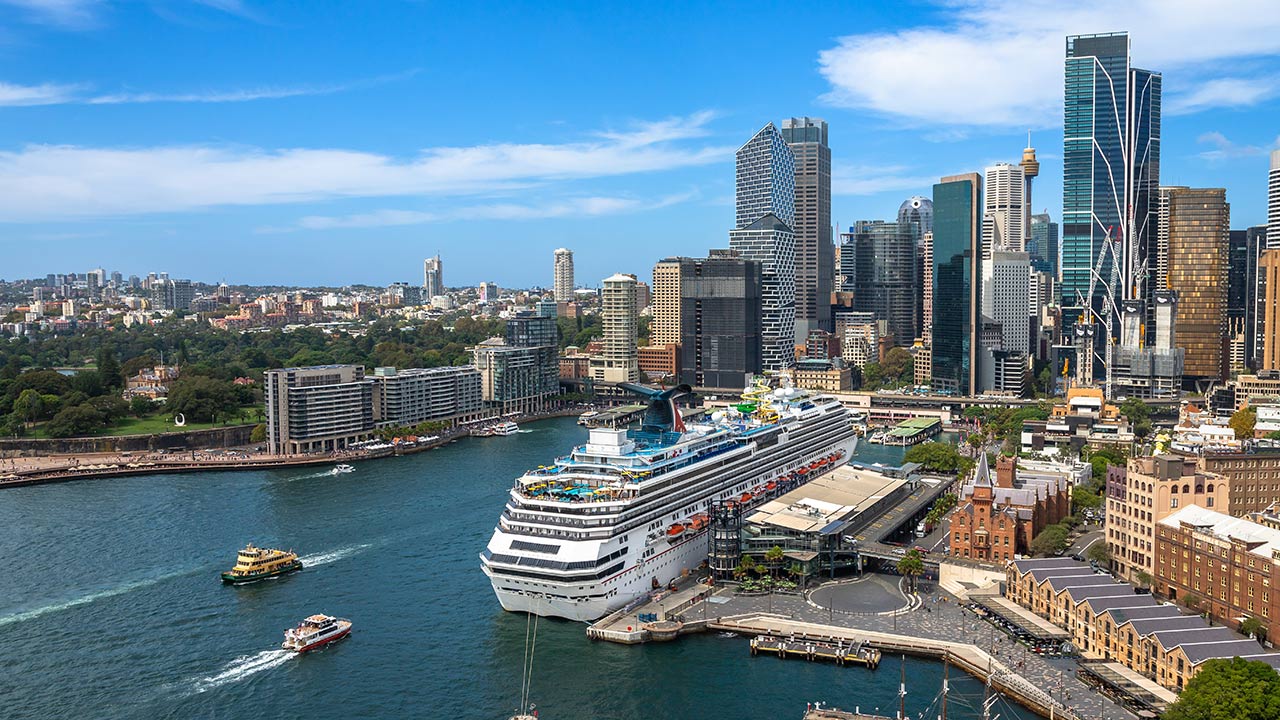
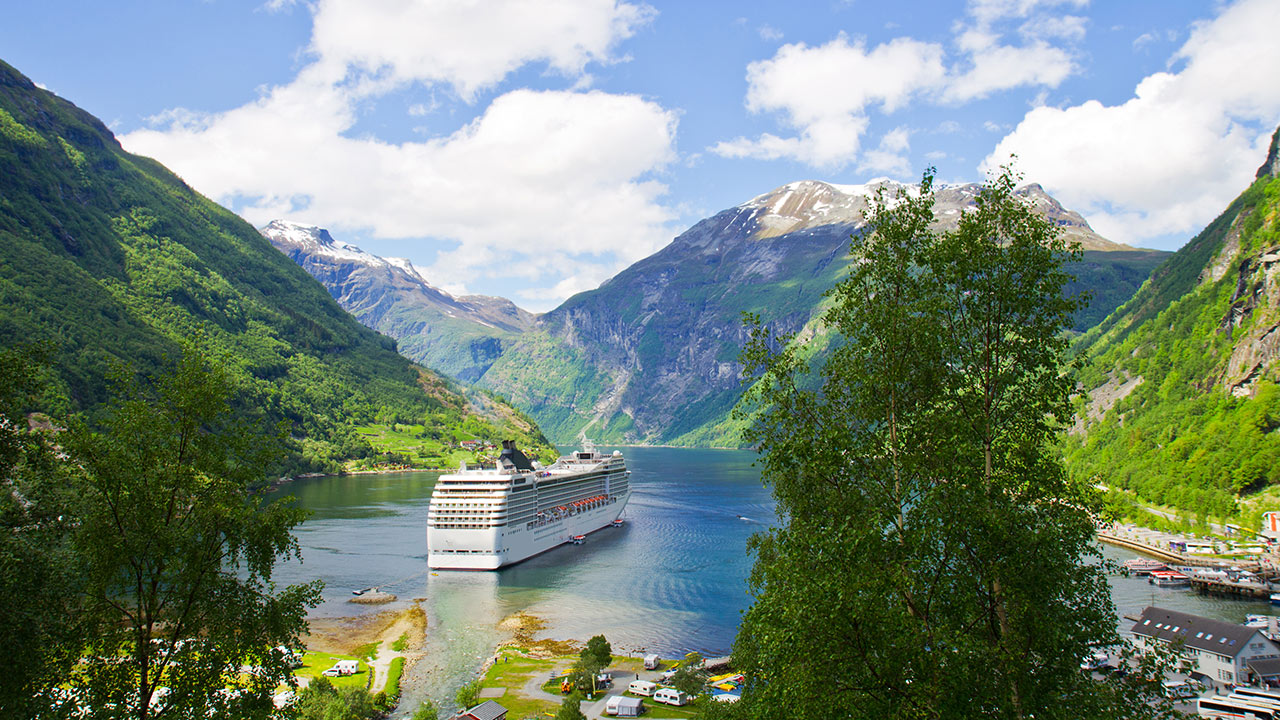
One tier up, the trip changes shape rather than simply growing more expensive. Mass-market ships from lines such as Royal Caribbean and MSC sell scale – waterparks, multiple pools, a dozen restaurants and thousands of fellow passengers sharing them. Premium lines such as Celebrity Cruises sell calm instead: noticeably better food, more considered design and more room to spread out, without giving up much of the energy that makes a big ship fun.
Cruise reviewer Cruise With Kate, who has sailed Royal Caribbean, MSC, Celebrity, Virgin Voyages and Azamara, sums up the difference bluntly. “Mass market sells SCALE. Premium sells REFINEMENT. Luxury sells SCARCITY,” she said. It is a useful way to decide where your money should go, because none of the three is objectively better than the others – they are simply selling different things.
What true luxury actually buys
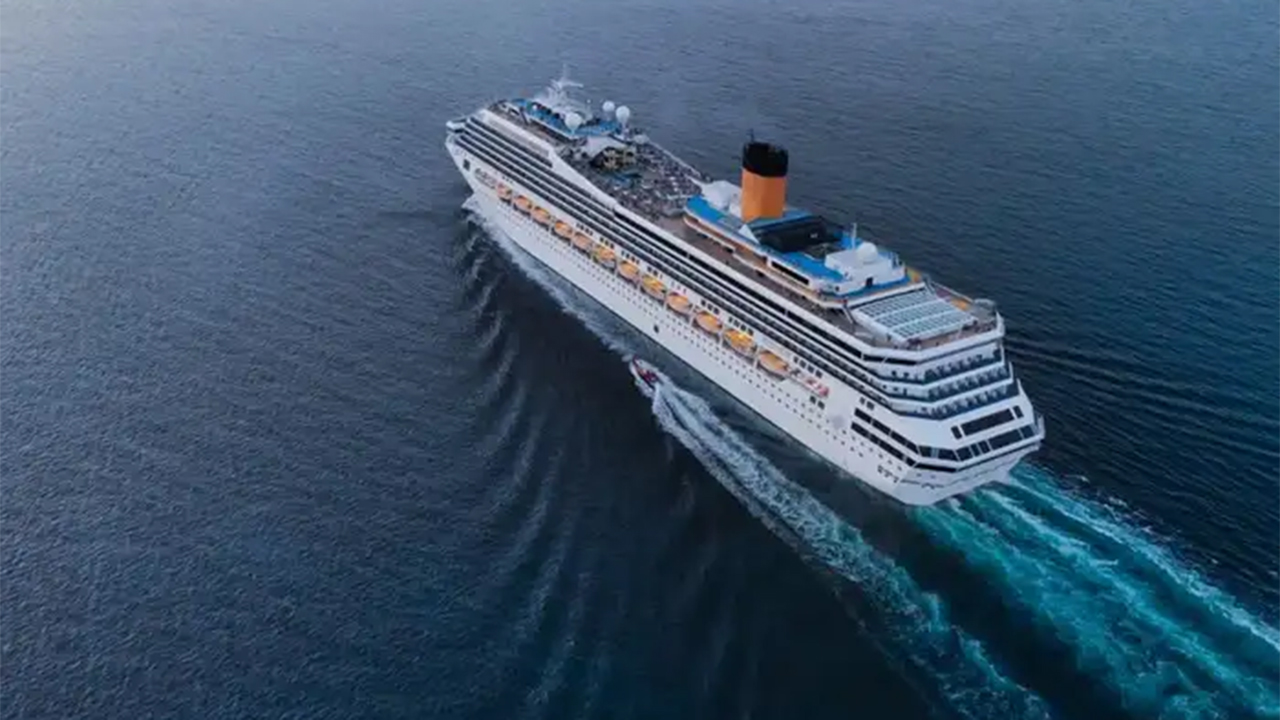
At the top of the ladder, luxury lines such as Regent Seven Seas and Seabourn fold almost everything into the upfront fare – door-to-door transfers, suite accommodation, specialty dining, premium alcohol and shore excursions – so there is next to nothing left to settle at the end. Lines in this bracket, including Silversea, Viking Ocean and Ponant, now start from roughly $1,050 per person per night once everything is built in. Viking sits in the middle ground, more inclusive than mainstream pricing but still charging separately for excursions and for alcohol beyond wine or beer at lunch and dinner, while Oceania, Windstar and Norwegian lean on add-on packages rather than true all-inclusive fares.
But scarcity has a cost of its own, and it is not only financial. Smaller luxury ships mean fewer restaurants, less entertainment and a genuinely quieter onboard world. Cruise With Kate found that out climbing the ladder from Royal Caribbean to Azamara. “At one point I realised I had paid my way further and further up the supposed cruise hierarchy… only to end up doing trivia with a pencil,” she said. For some travellers that trade is the whole point. For others, it is a surprise worth knowing about before you book.
Doing the sums before you sail
November is a genuinely useful month to be weighing all this up. It sits inside both the Black Friday cruise sale window and the new-year Asia deals period, and current luxury offers are advertising savings of up to 45%. An ultra-luxury all-inclusive Tahiti sailing of 7 nights departing 20 December 2027 is currently listed from $3,569 per person with that Black Friday saving applied. A 16-night Festive Explorer sailing through Vietnam and the Philippines, also departing 20 December 2027, is listed from $13,299 per person with $2,600 in bonus value, and a 7-night Adriatic itinerary departing 4 August 2027 is listed from $7,829 per person including shipboard credit and a 15% saving. The trade-off is timing: premium and luxury cabins sell out faster during these sale windows, so the advertised saving tends to disappear for anyone who waits.
A few practical checks matter whichever tier you choose. Cruise-specific travel insurance is worth having regardless of price point, since it covers cancellation and onboard medical costs that a standard travel policy may not, and it is worth confirming with your insurer whether a higher-value luxury fare needs a larger sum insured. Single supplements apply across mainstream, premium and luxury sailings alike, so ask your cruise line or a specialist what the current policy is before you commit, and keep an eye out for the periodic solo-friendly promotions some luxury lines run. Confirm before you book: fares, inclusions and sale windows move quickly, and the figures above reflect pricing currently advertised rather than a fixed rate.
None of this is really about finding the “best” tier. It is about being honest with yourself over whether you want the buzz of a ship the size of a small town, the calm of a quieter dining room with better food, or the particular luxury of never once reaching for your wallet. Get that one decision right, and the rest of the holiday takes care of itself.