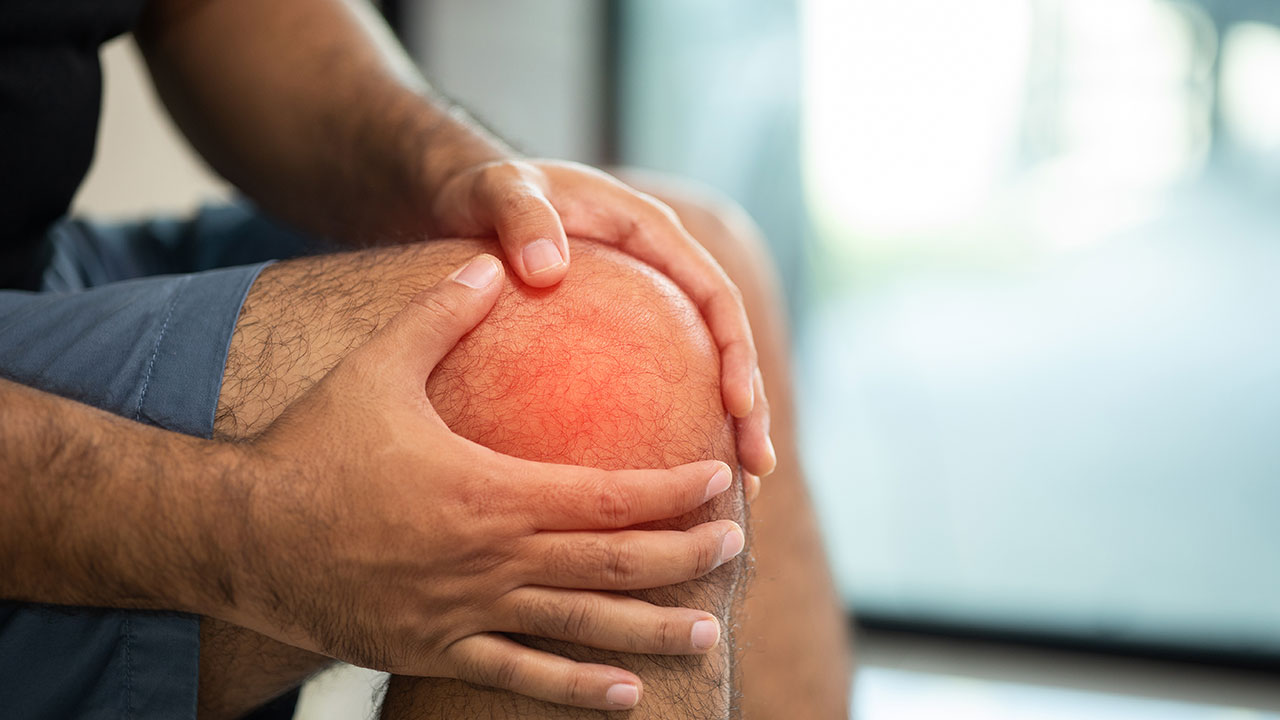
Sore knees rank as one of the most common aches Australians over 60 live with, and the good news is that most cases do not end in an operating theatre. Osteoarthritis, sudden strains and old sporting injuries all show up differently, and knowing which is which shapes whether gentle exercise, physiotherapy or surgery is the right next step.
The knee is the body’s largest joint, carrying the load every time you climb stairs, walk the dog or get up from a chair. After the back, it is the second most common site of chronic pain in the body, and years of that daily wear can catch up with even the fittest joints.
Living with ongoing knee pain takes more of a toll than people often admit, according to Dr Matthew Abdel, an orthopaedic surgeon at the Mayo Clinic. He said patients rarely raise it directly. “Someone may not say ‘Hey, my knee’s really killing me’,” he told the New York Times. “But as they’re talking to you about something that’s totally unrelated, they’re thinking about it.”
A diagnosis does not automatically mean going under the knife. Robert Turner, a physical therapist at the Hospital for Special Surgery in New York, said there are real steps between a niggle and an operation. “You don’t just necessarily go from ‘my knee hurts’ to having surgery,” he said.
For adults over 55, osteoarthritis is the most common cause of ongoing knee pain. The cartilage that normally cushions the joint wears down and loses its ability to absorb shock, bringing inflammation and occasional swelling. Dr Nicholas Scarcella, an orthopaedic surgeon at the Cleveland Clinic, said the pain typically worsens gradually, though it comes and goes. “You may have good and bad days,” he said. The discomfort can feel sharp or throbbing, settling along the sides of the knee or beneath the kneecap, and stiffness is often at its worst first thing in the morning before easing as the day goes on.
Active people face a different set of risks. Overuse injuries tend to follow a sudden jump in exercise intensity, duration or distance. Regular walkers and runners can develop IT band syndrome, which brings pain along the outside of the knee, while weak quadriceps, poor alignment or old injuries can lead to patellofemoral pain syndrome, sometimes called runner’s knee, felt underneath the kneecap.
Knee pain can also arrive without warning, after a fall, a sporting mishap or even a stretch too far while weeding the garden. These injuries tend to bring pain that is sharp and immediate rather than a slow build.
One of the most familiar of these sudden injuries is a torn meniscus, the crescent-shaped cartilage that cushions the knee and keeps it stable. A tear is often caused by a twisting movement and brings sharp pain, swelling and difficulty bending the joint afterwards.
Whatever the cause, the message from the experts is consistent: a sore knee is information, not a verdict. Understanding which type of pain you are dealing with is the first step toward finding out what will actually ease it.