There is a limiting assumption that can creep into our thinking as we grow older: that our biggest opportunities are behind us. We can begin to see retirement as retreat, age as limitation and unfamiliar experiences as risks better left to younger people. I have witnessed this firsthand on countless occasions during my career in financial planning.
I see ageing differently, though. Your sixties can mark the beginning of one of the most rewarding periods of your life, not because age suddenly becomes irrelevant, but because you now possess something your younger self did not: decades of experience, perspective and self-knowledge.
I am in my sixties, and rather than winding down, I have entered an entirely new chapter. After a long corporate career, I became an author, keynote speaker and mindset coach. Writing books, speaking publicly and building a new professional identity required me to become a beginner again. It was uncomfortable at times, but it also gave me renewed energy, purpose and excitement about what might still be possible.
Age is not a reason to stop learning
Trying something new can feel intimidating at any age. When we are older, however, we sometimes interpret that discomfort as evidence that we should not be doing it. We tell ourselves we are too old, too inexperienced or too set in our ways. But discomfort is not proof that you are incapable. It is often proof that you are learning and growing
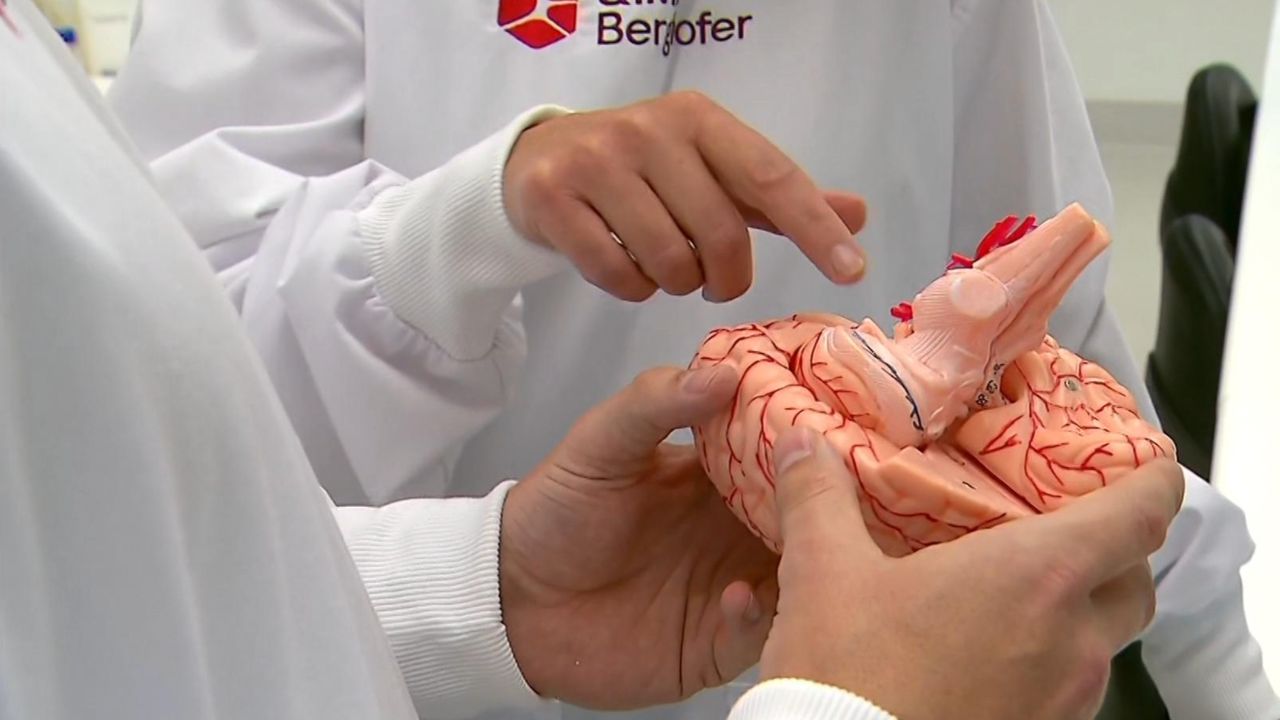
Research from the University of Texas at Dallas examined adults aged between 60 and 90 who spent three months learning demanding new skills, including digital photography and quilting. Those engaged in the most challenging activities experienced improvements in memory, with some benefits continuing for up to a year.
The lesson is not that everyone should take up photography or quilting. It is that learning something unfamiliar asks the brain to remain active, adaptable and engaged. You do not protect your potential by avoiding challenge. You give it room to grow by continuing to use it.
Purpose does not have a retirement date
For many people, work has provided structure, identity and a reason to get up each morning. Essentially, this is purpose. When that chapter ends or begins to slow, it can leave an unexpected gap. The answer is not necessarily to find another job, but to find something meaningful that continues to pull you forward.
That might be volunteering, mentoring, travelling, studying, starting a small business, writing, painting, learning an instrument or setting a physical goal. The activity itself matters less than the sense of direction and purpose that it creates.
A 14-year longitudinal study available through the U.S. National Library of Medicine found that people with a stronger sense of purpose tended to live longer. Importantly, the association was evident across different ages and was not dependent on whether participants had retired. If you have watched the Netflix series, Blue Zones, you will be acquainted with the common thread that runs through each of diverse communities in the world in which the longest living humans reside; Purpose. Purpose is not a luxury reserved for the young or ambitious. It is a reason to remain curious, involved and connected to life.
Start smaller than you think
One of the greatest mistakes we make is believing a new beginning must be dramatic. It does not. You do not need to reinvent your entire life by next Monday. You simply need to take one step towards something that interests or challenges you. Choose a beginner’s class. Walk a distance you have not walked before. Attend a local group. Write the first page. Learn how to use a new piece of technology. Make the phone call you have been postponing.
Do not wait until you feel completely confident. Confidence rarely arrives before action; it is usually built through action. Give yourself permission to be inexperienced, ask questions, make mistakes, and remember that every accomplished person was once a beginner.
Use your experience, without being confined by it
By the time you reach 60, you have survived disappointments, changes, losses and challenges you may once have thought impossible. You have accumulated evidence that you can adapt. Yet we often forget this when facing something unfamiliar. Your past should provide a foundation, not become a fence. The person you have been does not place a limit on the person you can still become.
Growing older is inevitable. Winding down is a choice. You may have fewer years ahead than you once did, but that makes those years more valuable, not less. Try the activity. Take the course. Begin the project. Say yes to the invitation. You are not too old, and it is not too late. There is still time to surprise yourself.
About the Author
Jason L Dunn is an author, keynote speaker, mindset coach and ultra-endurance athlete. After transforming his life at 35 from smoker and non-swimmer to completing 14 Ironman triathlons, including the Hawaii Ironman World Championships, he went on to compete in some of the world’s toughest endurance events. Drawing on his personal and corporate leadership experiences, Jason now helps others build purpose, courage, discipline and resilience. He is the author of UNLIMITED: The Art of Being Limitless and Greatness Doesn’t Care.
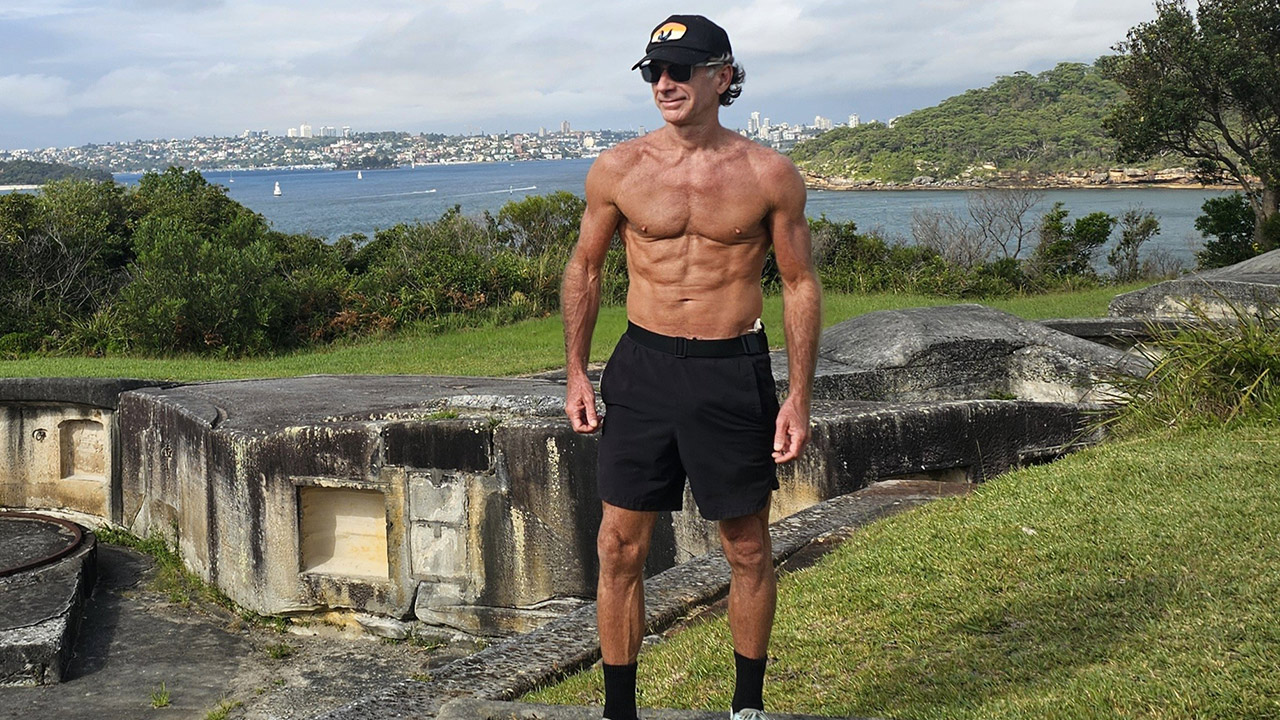
Image: Jason L Dunn