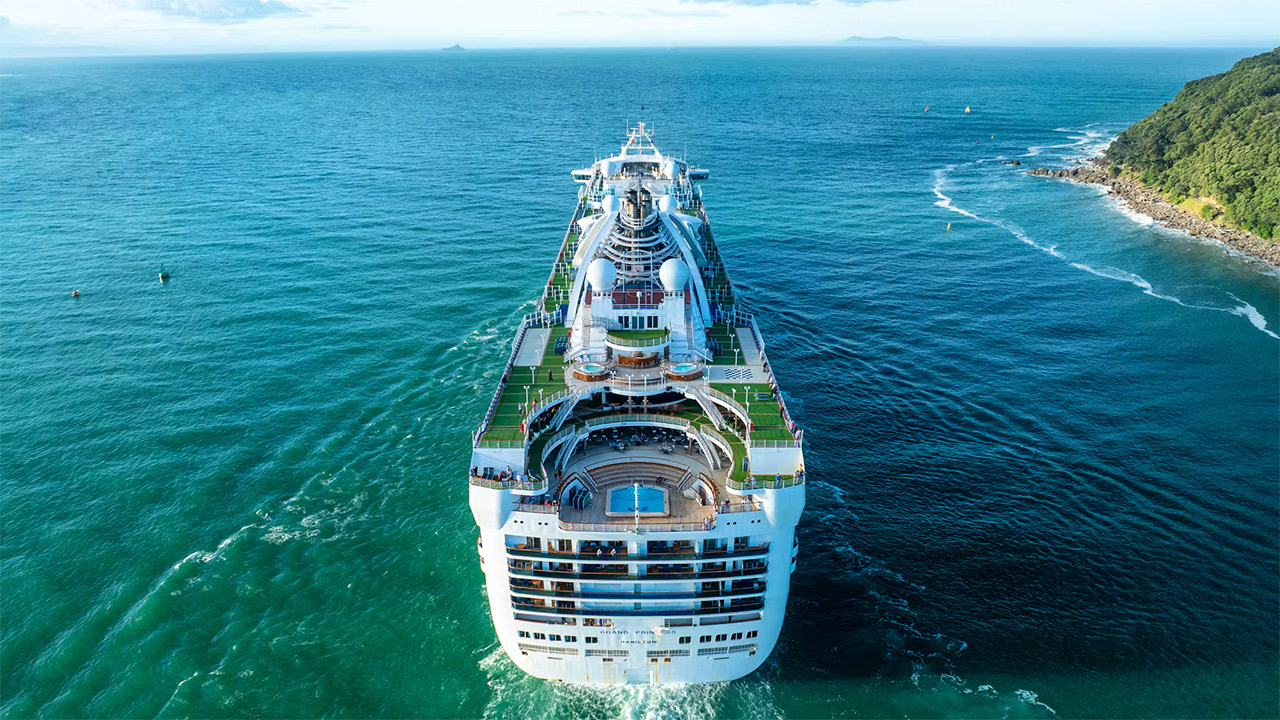
Tasmania in October asks travellers to pack for four seasons before lunch. In return it hands back something summer rarely offers: walking tracks with no one else on them, a clear run at Cradle Mountain’s summit, and accommodation rates that have not yet caught up to January’s rush.
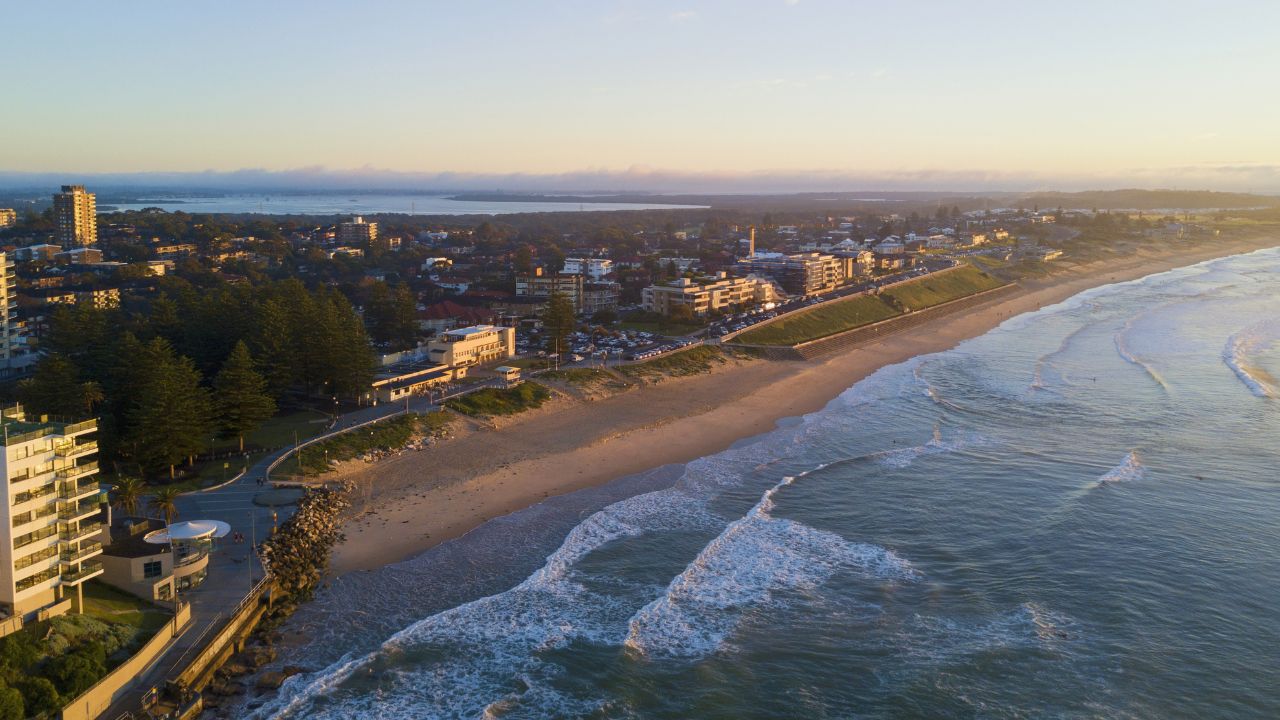
For anyone who has already queued at that summit in peak season, or paid top dollar for a motel room on the east coast in the Christmas holidays, October offers a quieter version of the same island. It sits in the shoulder of Tasmania’s main touring season, which runs September to May, well before the crowd numbers build toward the December-February peak at spots such as Cradle Mountain and Freycinet.
Why the trails feel like your own
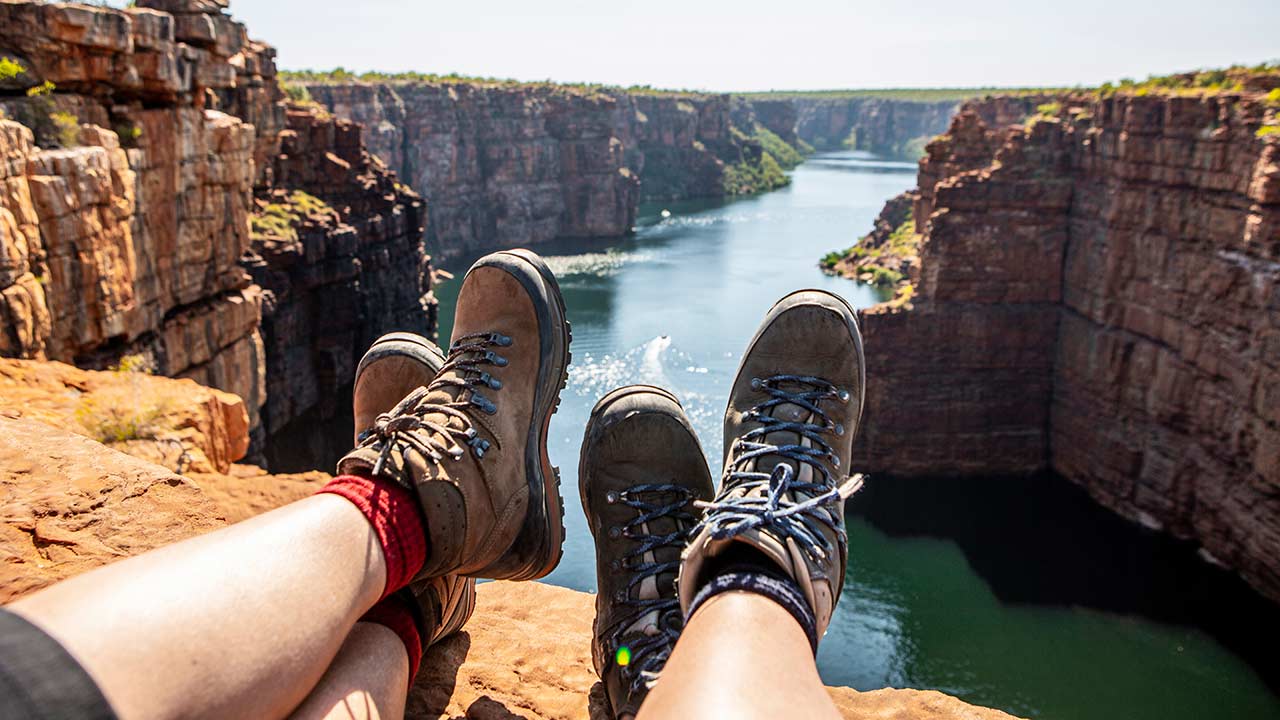
Adventure operator Tasmanian Expeditions describes November to March as Tasmania’s “blissful” peak for walking and cycling, but rates the shoulder months of April and October as offering “equally impressive experiences” with far fewer people on the ground. The difference shows up most at Cradle Mountain, where the summit view in high season can be, in the operator’s words, “somewhat tarnished by all the other tourists clambering to do the same”.
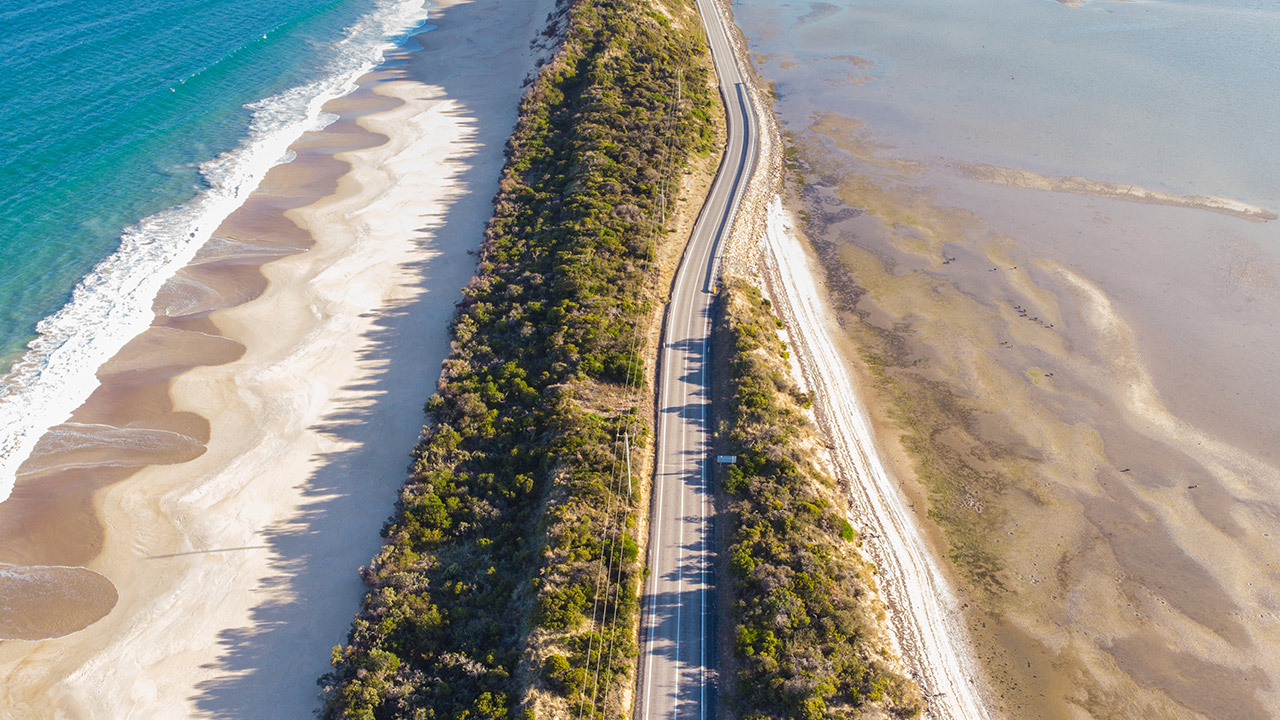
Step outside that peak window and the same climb becomes a different experience entirely. Cycling groups touring the east coast in the quieter months report the long sweeping coastal roads feel, according to Tasmanian Expeditions, “reserved just for your cycle group”. Over on Flinders Island, the coastal walking track is pitched by the same operator as a shoulder-season pick, with “expansive views” and “other travellers few and far between”.
What October actually costs
A seven-day self-drive package running Launceston to Hobart is advertised from $2,450 per person on Tourism Tasmania’s booking site, tasmania.com, built around a hire car and flexible accommodation rather than a fixed coach itinerary. The same site lists shorter options including a 5-day Escape and Rejuvenate self-drive through the north-east and east coast, and an 8-day Family Tassie Explorer running Hobart to Bicheno and beyond.
Package aggregator Expedia lists shorter Tasmania holiday bundles, combining flights, hotels and car hire, from around $311 to $353 per person, though these cover stays well under a week. Hobart-based operator Retreats Tasmania positions shoulder-season accommodation in southern Tasmania as better value than summer, noting longer stays and midweek travel are common among shoulder-season guests.
The numbers that catch people out sit outside the headline package price: hire car and one-way drop fees, fuel, national park passes, and dinner bookings in smaller east coast towns where restaurant hours thin out once the summer crowds disappear.
The weather trade-off you pack for
This is not the warm-beach version of Tasmania. Average daily highs even in the true summer months reach only around 21 degrees, and October sits cooler again, with genuinely changeable conditions – rain on the coast, and anything up to four seasons in one day in alpine country such as Cradle Mountain and the Central Highlands.
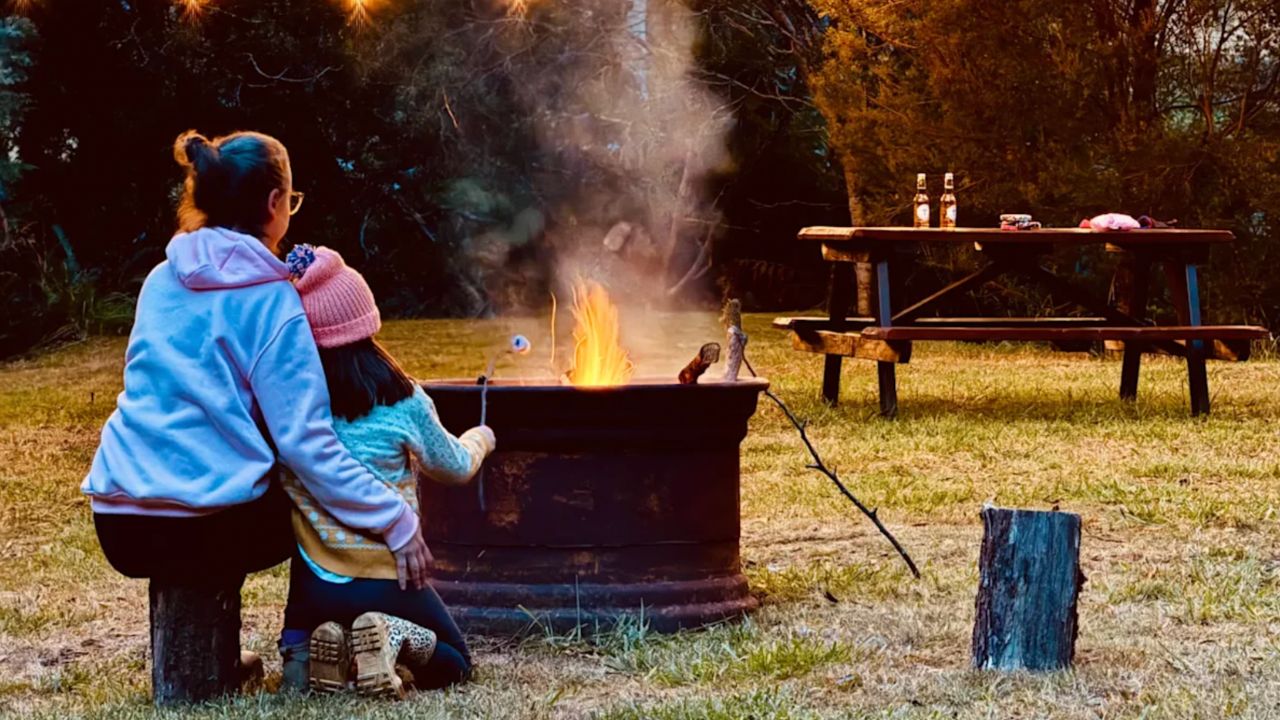
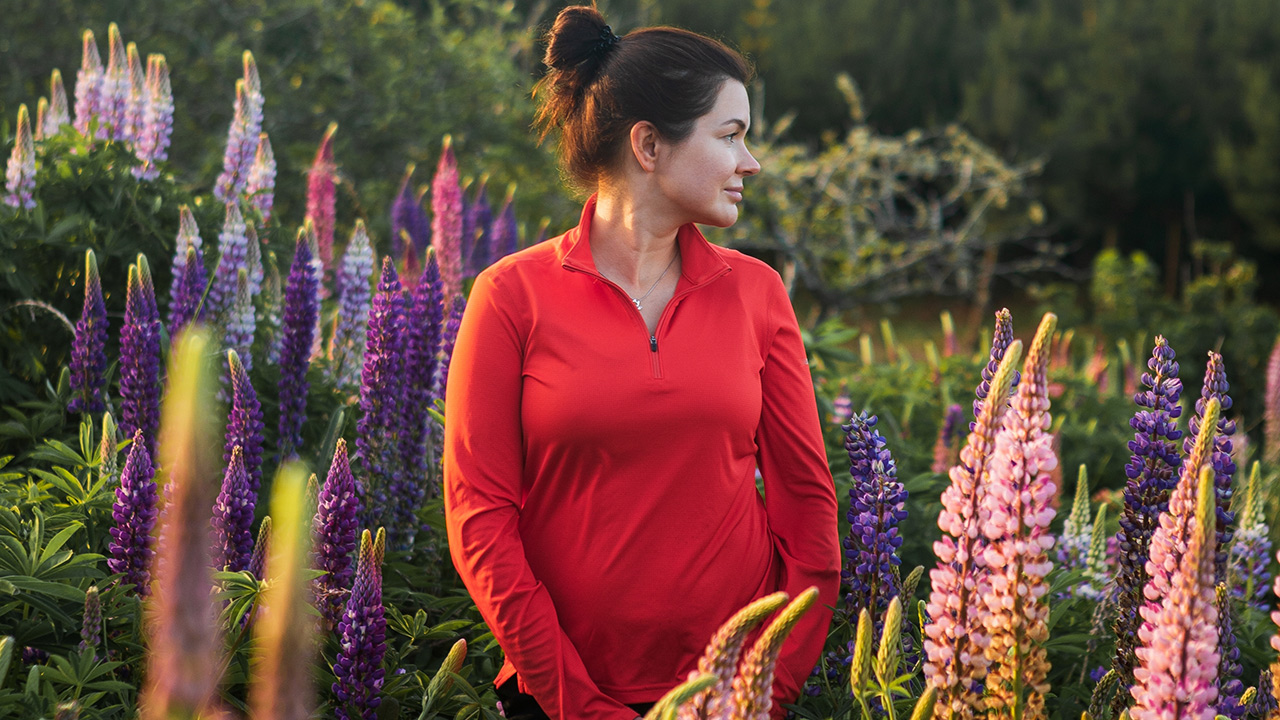
Spring in Tasmania brings its own compensations. The season running September to November typically delivers milder, breezier days along with more rainbows, wildflowers, whales and baby wildlife along the coast. Daylight hours are still building toward summer rather than at their longest, so walking days run shorter than they would in December or January, and some produce-driven experiences built around stone fruit, berries and crayfish simply are not on offer yet.
Getting there and keeping the pace your own
Direct flights run from Sydney, Melbourne, Brisbane, Adelaide and Canberra into Hobart or Launceston, keeping most of the east coast trip to a single short domestic leg. From there, the self-drive packages run on sealed roads between hubs, with short walking-track sections entirely optional and ground-floor or lodge-style accommodation widely available, so the pace of each day is set by the traveller rather than a fixed coach schedule.
Self-drive packages for October-November departures are best locked in two to four months ahead, which makes winter sensible timing to book. Guided small-group walking departures, including the Flinders Island itinerary, run on limited places and need an earlier commitment again.
Tasmania counts as domestic travel for Australian passport holders, so there is no visa to sort, but comprehensive travel insurance covering trip cancellation and medical evacuation from remote areas such as the west coast or the Overland Track is worth confirming before departure, along with whether a policy covers self-drive car excess and weather-related changes to the itinerary. Solo travellers suit this style of trip well, since the car and the pace belong entirely to them, though single-supplement charges can apply to packaged accommodation and are worth checking at booking.
Confirm before you book: fares, dates and inclusions on self-drive and small-group packages move with the season, so check current pricing and availability directly with the operator before locking anything in.
Anyone who has stood shoulder to shoulder with a tour bus crowd at a Tasmanian lookout in January knows what October buys back: the same wild coastline, the same clear water, minus the queue. Trade a few degrees of warmth for an empty track and a cheaper bed, and Tasmania starts to feel less like a trip ticked off and more like a place that belongs to you for a week.