Most people try to do Tasmania in a week, cramming Hobart, the east coast and Cradle Mountain into a sprint that leaves no time to actually stand still. Give the island two weeks instead and something shifts: the drive from one lookout to the next stops feeling like a schedule and starts feeling like a holiday. For over-60 travellers who have earned the right to linger, that difference is the whole point.
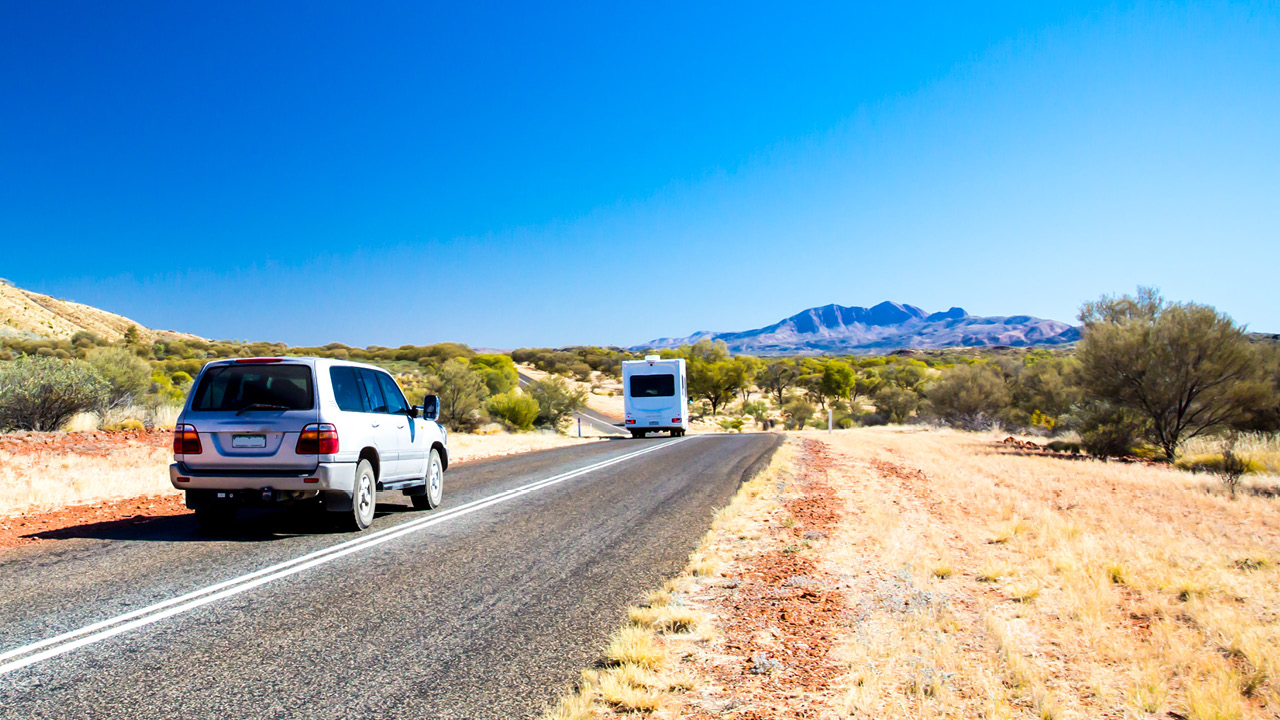
A full loop of Tasmania works well as a self-drive trip on roads that are well maintained and rarely crowded, with short transfers between regions and ground-level walks reaching most of the big lookouts. Harder hikes are there for those who want them, never required for those who don’t. Fourteen days turns out to be the sweet spot between seeing everything on the island and actually seeing it properly.
A loop built for lingering
The classic route takes in Hobart, the Tasman Peninsula (Port Arthur, Tessellated Pavement, Tasman’s Arch), Freycinet National Park, the Bay of Fires, Launceston and Cataract Gorge, the Tamar Valley wine region, Cradle Mountain-Lake St Clair and finally Strahan on the west coast. It works equally well run clockwise from Hobart or anticlockwise starting in Launceston, which suits travellers arriving by the Spirit of Tasmania ferry rather than flying in.
Along the Tamar route, Beaconsfield’s historic mine, Seahorse World and Platypus House all sit within a few kilometres of each other, easy to fold into a single afternoon without adding a day to the itinerary.
Wombats before breakfast, devils before lunch
Wildlife here does not need to be chased down. Wild wombats graze in the open at Ronny Creek, right by the Cradle Mountain car park, and Tasmanian devils are on show at Bonorong Wildlife Sanctuary close to Hobart.
A sunrise above Hobart from Mount Wellington is low-effort and high-reward, no early-morning hike required. One traveller called it “the single best sunrise spot on the entire island.” On the west coast, a Gordon River cruise out of Strahan runs through rainforest old enough to predate the roads that now reach it, while Cataract Gorge in Launceston sits minutes from the city centre, a swimming pool and chairlift tucked into a cliff-walled ravine.
Further north, the Bay of Fires takes its name from boulders stained fire-orange by lichen, set against water clear enough to look staged.
What fourteen days actually costs
On Tasmania.com’s current 10-day self-drive package, nine nights’ accommodation, 10 days of car hire and a Tasmanian National Parks Pass start from $2,940 for two people twin share, or around $1,470 each, with 3.5-star accommodation standard and 4-star available as an upgrade. Scaling that same model out to a full 14-day loop puts a realistic per-person from-price at roughly $4,000 to $4,200, before flights to Tasmania, meals, wine-region tastings or optional extras.
Budget on top for fuel across a full island circuit, a Gordon River cruise add-on, Bonorong Wildlife Sanctuary entry, and any hikes that need a shuttle or a top-up to the national parks pass.
For those who would rather not drive long stretches themselves, guided small-group options exist but cost considerably more per day. Intrepid’s nine-day Best of Tasmania trip currently lists from around $8,400 before its current discount, well above the daily rate of the self-drive model. TourRadar also lists senior-focused small-group departures, including Tassie’s Parks and Nature, Ultimate Tasmania and Western Wilderness, for travellers who’d prefer someone else behind the wheel.
Why October earns a spot on the calendar
October sits in Tasmania’s shoulder season, cooler than the December-to-February peak but with far lighter crowds at Wineglass Bay, Cradle Mountain and Port Arthur than summer brings. The trade-off is weather that can turn quickly, with cooler mornings and the chance of rain on exposed coastal walks such as the Bay of Fires or Freycinet.
Self-drive packages can still be booked close to departure, but accommodation on the 3.5-star and 4-star tiers tightens as October and November approach the island’s main season. Guided small-group tours book out earlier again, given limited departure dates and smaller group sizes.
The honest trade-offs
A 14-day self-drive loop means some genuinely long days behind the wheel, and the run to Strahan and back on the west coast is not a short detour. Accommodation outside Hobart and Launceston is narrower in range too, with 3.5-star the standard inclusion on most packages and 4-star sitting as an extra cost.
Walks such as Cape Hauy and Mount Amos remain optional rather than essential, and skipping them does not take anything away from the core loop. It does mean missing some of the island’s better views, so it is worth weighing up ahead of time rather than deciding on the day.
Before locking anything in, make sure travel insurance covers car hire excess, medical costs and trip cancellation, given Tasmania’s changeable weather and the limited medical facilities outside Hobart and Launceston. Solo travellers should expect a single supplement on both the self-drive package and any guided small-group tour, so it is worth comparing the two models before deciding which suits. Confirm exact October 2026 dates, pricing and inclusions directly with the operator before booking, as fares and availability move.
What fourteen days really buys is the freedom to stay an extra half hour at a lookout because the light has just turned, without worrying about the next stop on a coach timetable. That, more than any single view along the way, is what makes the slower lap of Tasmania the one worth taking.