Sixty cruises leaving Australian ports in the next 12 months will not bring passengers home. They finish somewhere else entirely – Auckland, Singapore, Honolulu, even the port of Sorong in eastern Indonesia – and for anyone weighing up a one-way sailing, that detail matters more than almost anything else on the brochure. It is not the cruise line that decides how you get home from a one-way voyage. It is the city where the ship ties up on the last morning.
That distinction is the whole appeal, and the whole catch, of a one-way cruise. You step off in a different country to the one you left, which means no retracing the same ports on the way back. But it also means the flight home is now entirely your business, booked and paid separately from the cruise fare, and easy to underestimate until you are staring at the bill.
Where these cruises actually finish
Auckland is by far the most common endpoint, with 26 of the sixty sailings tracked finishing in New Zealand’s largest city. Singapore comes next with ten sailings, the main gateway for cruisers heading into Asia rather than looping back across the Pacific. Benoa, the cruise port serving Bali, accounts for six finishes, Fiji’s Lautoka four, and Honolulu three.
Los Angeles and Seattle each close out two sailings – the trans-Pacific routes that commit a traveller to a US flight home rather than a shorter hop across the Tasman. Sorong, tucked into eastern Indonesia, also ends two sailings, a destination worth checking against your flight options well before you book, given how few connections run through it.
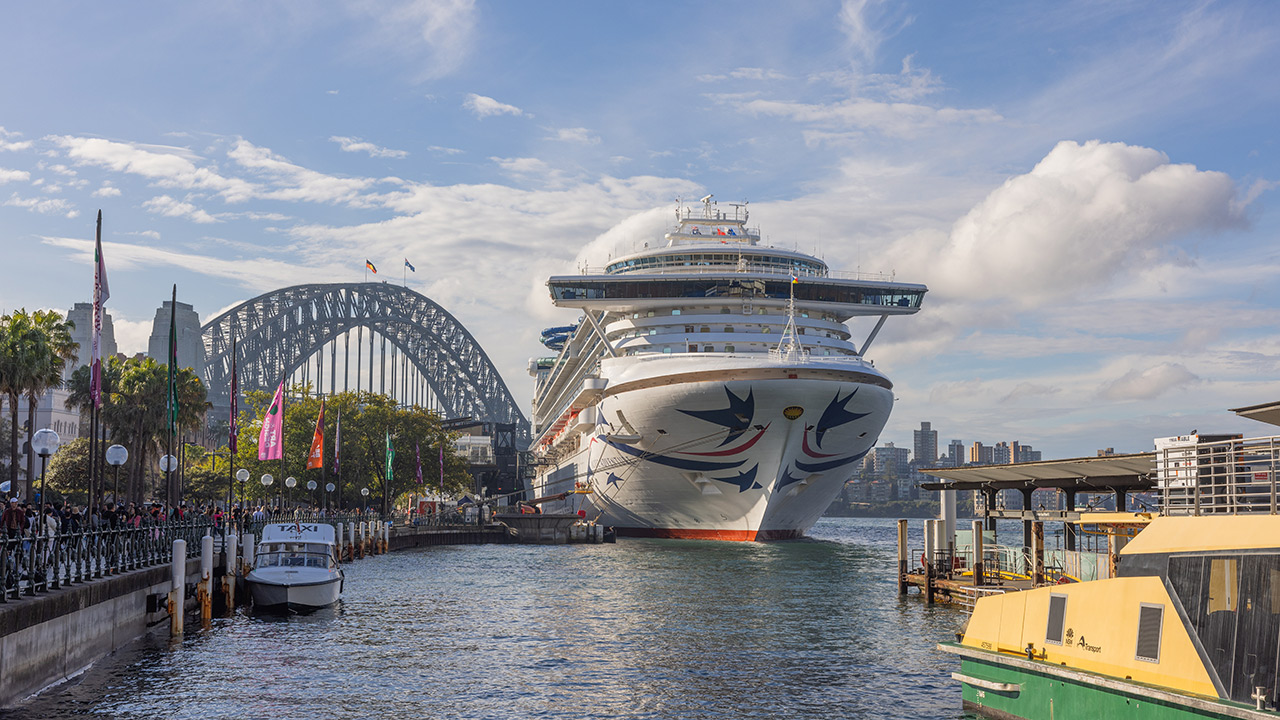
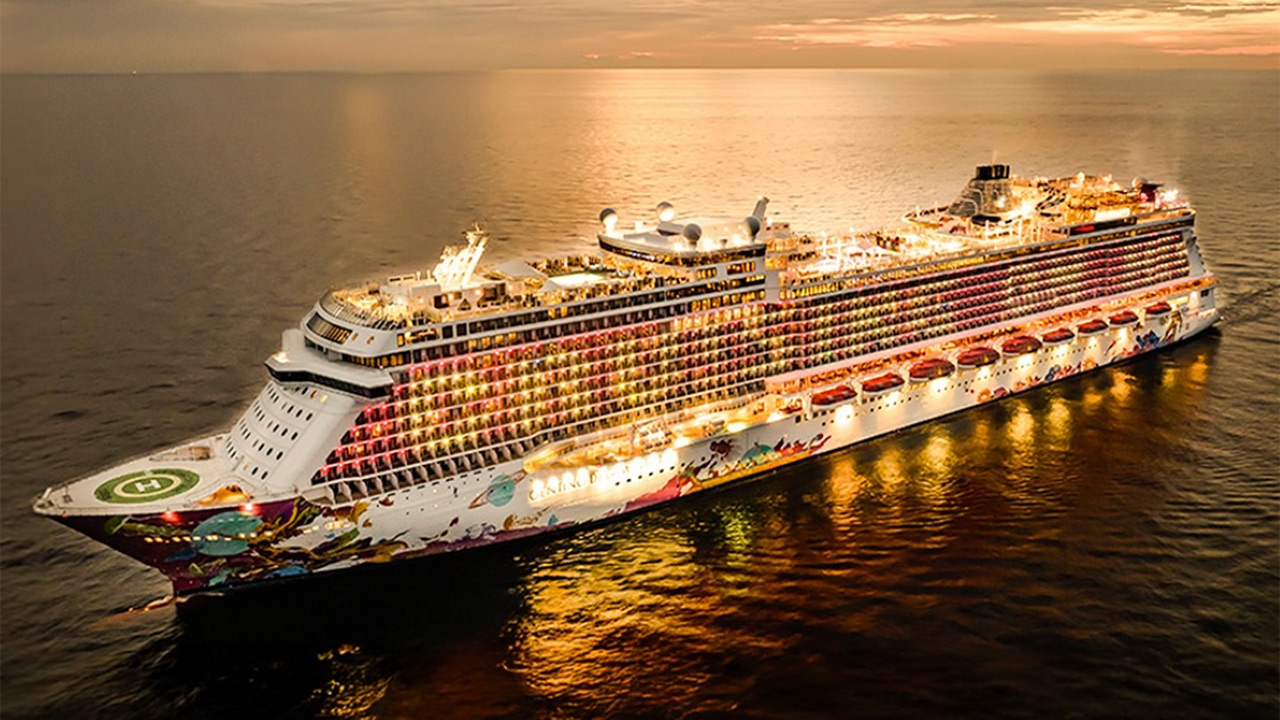
One Cruise Critic forum poster summed up how narrow the real shortlist has become compared with what long-time cruisers remember: “The days are long gone of the Sydney–Fiji one way cruises.” The same thread put it plainly: “The only options now are to Auckland or Honolulu in the Pacific or in Asia, Singapore or possibly Hong Kong.” Princess Cruises has run one-way sailings into Singapore using Diamond Princess, one of the ships cruisers point to when this itinerary style comes up.
Why the flight home is the real cost
A one-way fare buys the ship and the cabin. It does not buy the flight home from wherever the voyage ends, and that gap is where the budget usually goes wrong. Gratuities – the daily service charge added to your onboard account – along with drinks packages, wifi and shore excursions are typically charged on top of the base fare, exactly as they would be on a standard return sailing. Confirm current inclusions with the cruise line or your travel agent before you commit, because packages change between lines and between seasons.
Carnival’s own repositioning guidance does not dress this up: “Just remember to organise the airfare home!” It is a fair warning. Add a Qantas or Jetstar fare from Auckland, or an international leg home from Singapore or Honolulu, and a one-way cruise can land close to the cost of a return sailing anyway – because the ship was always going to cover that distance, the only question was which direction you paid for separately. Solo travellers should also check single supplement policies before booking, since these can apply in full even on a one-way, repositioning-style itinerary.
When these sailings actually run
Repositioning-style departures from Australia toward Asia typically cluster in February or March. Sailings heading to Hawaii usually leave in March or April. The return legs run on their own calendar – Hawaii back to Australia tends to sail in September or October, while Asia-to-Australia relocations often appear from October through to December. These are seasonal windows rather than a fixed timetable, and they shift year to year by line, so treat them as a planning guide and confirm actual departure dates with your agent.
What the days on board actually look like
One-way sailings to Auckland or through the Pacific tend to carry more port days than the longer crossings into Asia or across to the US, which lean heavily on sea days instead. PACE on these routes runs easygoing, with the on-board rhythm – embarkation, dining, entertainment – unchanged from any standard return sailing. EASE is also unchanged right up until the last morning, when disembarking in a foreign terminal means working through customs and immigration before the usual baggage and transfer routine, rather than simply walking off at home.
The longer runs to Los Angeles or Seattle can stretch past two weeks once the Pacific ports are behind the ship, with extended stretches of open sea that will suit some cruisers and feel long to others. One forum poster described flying to Hawaii to join a Dawn Princess sailing back toward Australia via Tahiti, and warned that disembarking early in Hawaii instead of riding the full itinerary means missing Tahiti altogether – often the part of that route cruisers rate highest.
Before locking anything in, check your travel insurance explicitly covers cruise disruption and the connecting international flight home, since a missed connection in a foreign port carries different costs and different claims than a missed flight at home. Confirm the policy also covers medical treatment and repatriation in the country where your cruise actually ends, not just the countries you pass through along the way. And always check current fares, inclusions and departure dates directly with the cruise line or your travel agent before booking, since package inclusions and seasonal windows shift from one year to the next.
What a one-way cruise really offers is the thing a return sailing cannot – the small, genuine thrill of walking down a gangway into a country you did not leave from, bags in hand, with a whole new city waiting outside the terminal instead of the familiar drive home.