The death of a newborn baby at a homeless camp in regional New South Wales has intensified calls for urgent action on Wagga Wagga’s deepening housing crisis.
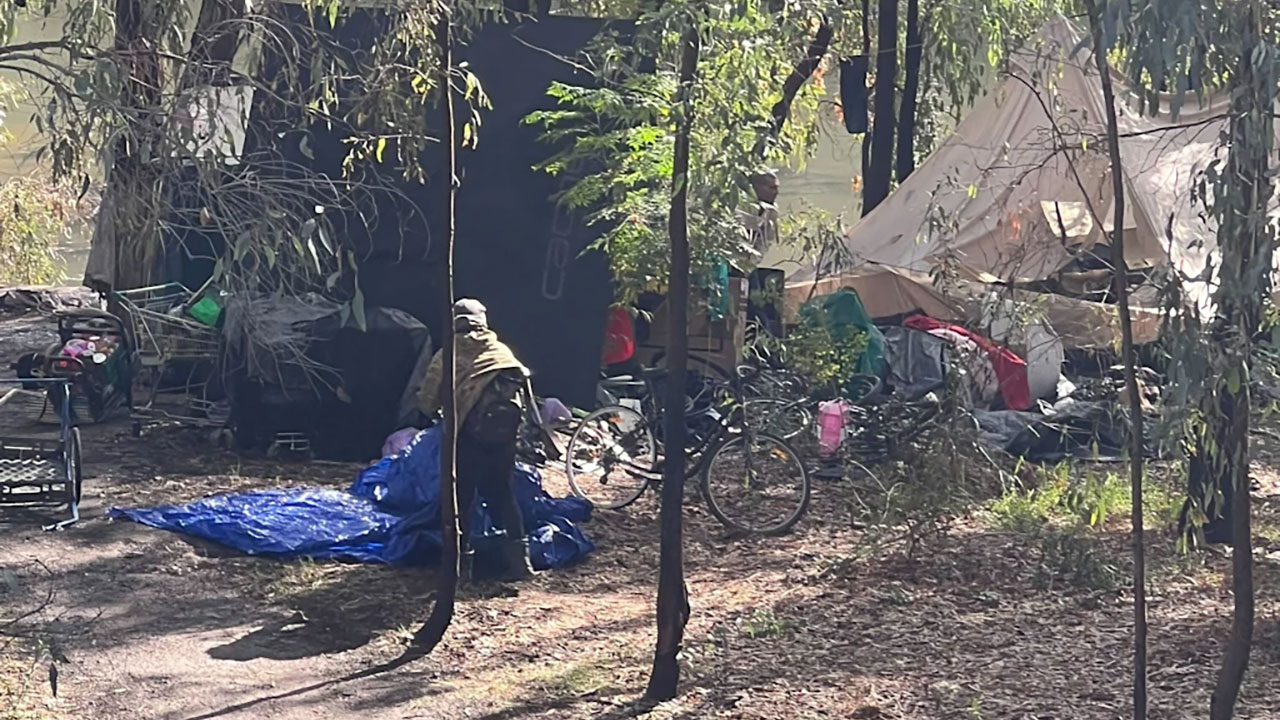
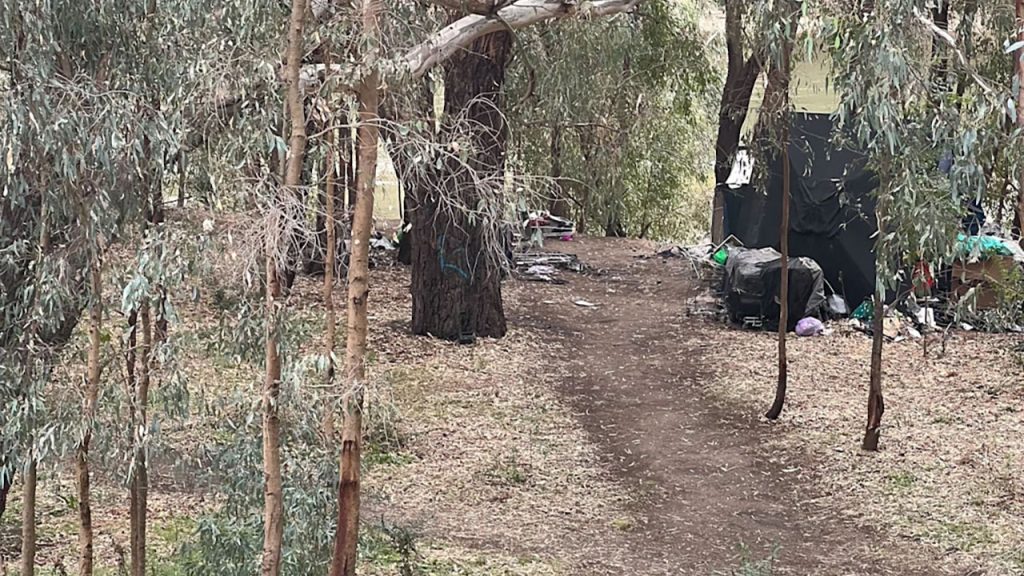
Emergency services were called on Saturday afternoon to Cadell Place in Wagga Wagga, along the Murrumbidgee River, where the newborn was found dead. A second infant and the children’s 37-year-old mother were taken to hospital in critical condition.
It is understood the woman had just given birth, and local media reported the baby was found inside a tent. Homes NSW had been working with the family for many years.
Police do not believe the death is suspicious, and a report will be prepared for the coroner.
The camp is home to dozens of people, with many driven there by soaring living costs, a shortage of housing and long waits for emergency and community housing. Some people have been living there for more than a year.
Independent Wagga Wagga MP Dr Joe McGirr, who was recently shown the encampment by Department of Housing staff, said the death had deeply shaken the community.
“It’s awful, and it’s an absolute tragedy and the community is devastated,” he said.
Dr McGirr said the growing number of people living by the river in “untidy” and “dangerous” conditions had been worrying for some time.
“Having people living in those conditions in tents isn’t sanitary, and it isn’t safe,” he said.
He also said, “It’s quite shocking, and I think it does highlight how significant the issue is.”
Last month, Dr McGirr brought together police, council representatives and housing department staff to discuss the crisis, with another meeting due next month.
Local councillor Richard Foley said the “terrible tragedy” was a direct and foreseeable consequence of wider failures in dealing with homelessness and housing stress.
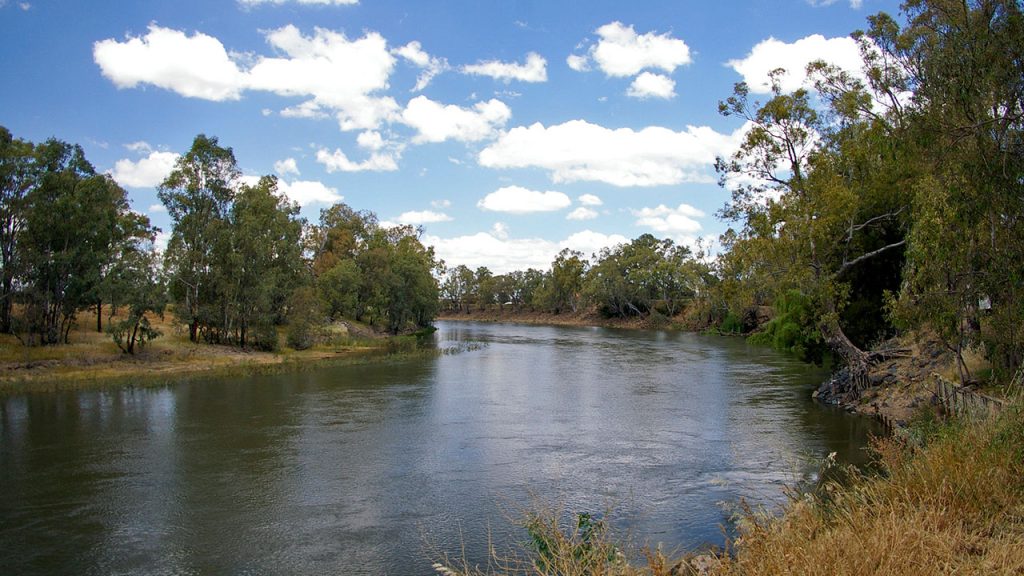
He said people had long lived near the river, but the situation had deteriorated sharply.
“But it’s now increasing and getting much, much worse,” he said.
Foley said the worsening problem was being fuelled by broader economic pressure, extremely low rental vacancy rates and a shortage of public housing.
“It’s ridiculous and people have nowhere to go,” he said.
He said simply moving people on would not fix the problem.
“Some members of the community just want us to go in there and remove them … but that’s not going to solve anything, it’s only going to push the problem somewhere else.”
Foley said the root issue was the lack of public housing, which falls under state government responsibility.
“But I believe as a council, we’ve got a moral duty to at least do everything we can to fight for the right outcomes in the community.
“They say there’s action coming, but they keep telling us that.”
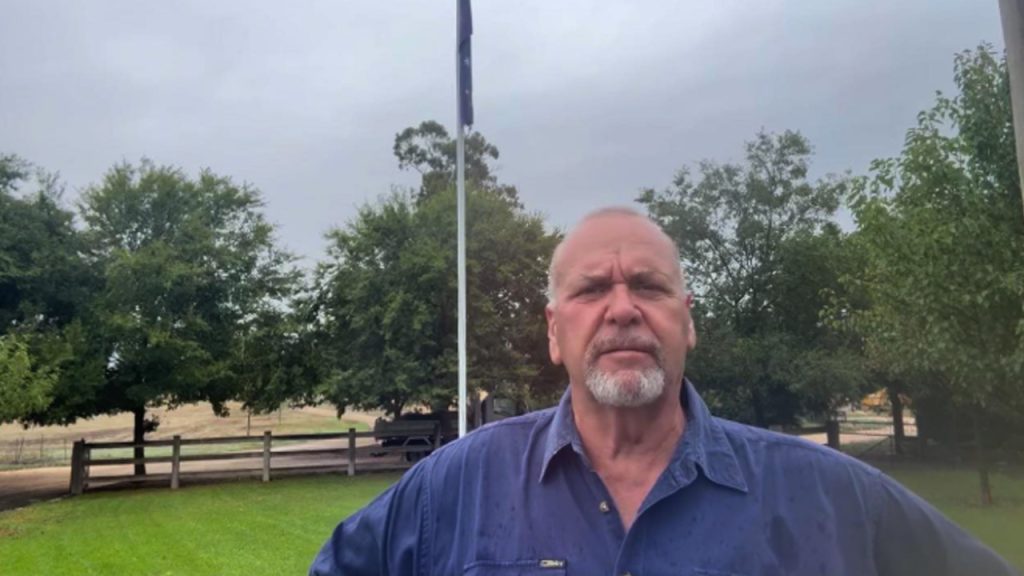
He also said any new construction currently planned would only replace housing already demolished.
NSW Housing and Homelessness Minister Rose Jackson described the news as “heartbreaking”.
“The death of any member of our homeless community is tragic, but the death of a newborn baby is beyond comprehension,” she said.
“I extend my deepest condolences to the baby’s parents and family. I understand mum and her other infant child are currently in hospital. I’m hoping that they make a full recovery soon.”
Jackson said the woman had been in contact with Homes NSW for many years, but that many details remained unclear. The department will investigate her circumstances.

As of March, 674 people were on the social housing waitlist in Wagga Wagga.
The NSW government has identified Wagga Wagga as a priority area for new social housing and renewal projects. Homes NSW is working with the Aboriginal Housing Office, the local council and community housing providers on plans to redevelop the Tolland estate in the city’s south.
Government figures show about 3 per cent of Wagga Wagga residents, or 2047 people, live in the city’s 1176 social housing homes. That compares with 2.4 per cent across regional NSW and 0.8 per cent across the state.
Much of the area’s social housing was built in the 1960s and 1970s. Homes NSW says those properties are becoming more expensive to maintain and less suitable for residents’ needs.
The first stage of the Tolland renewal project is expected to soon award a contract for the demolition of roads and infrastructure and the creation of 24 residential lots. The broader project is expected to deliver 490 new homes over the next decade.