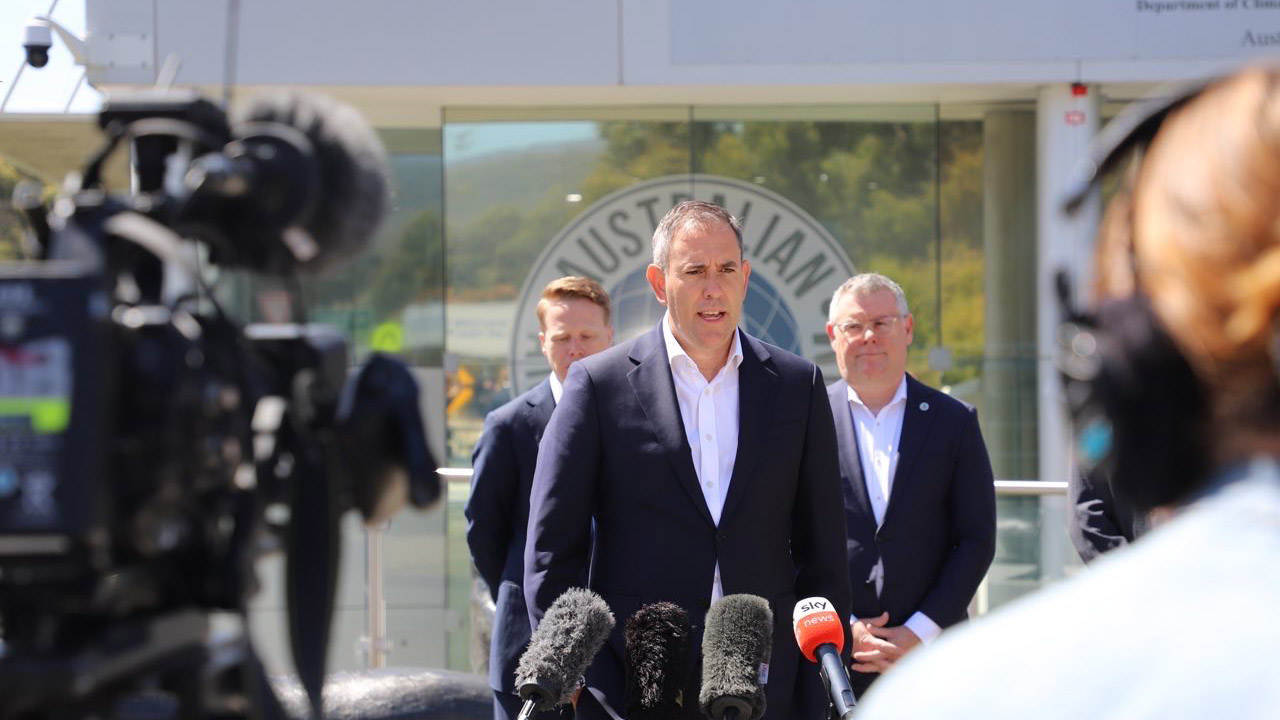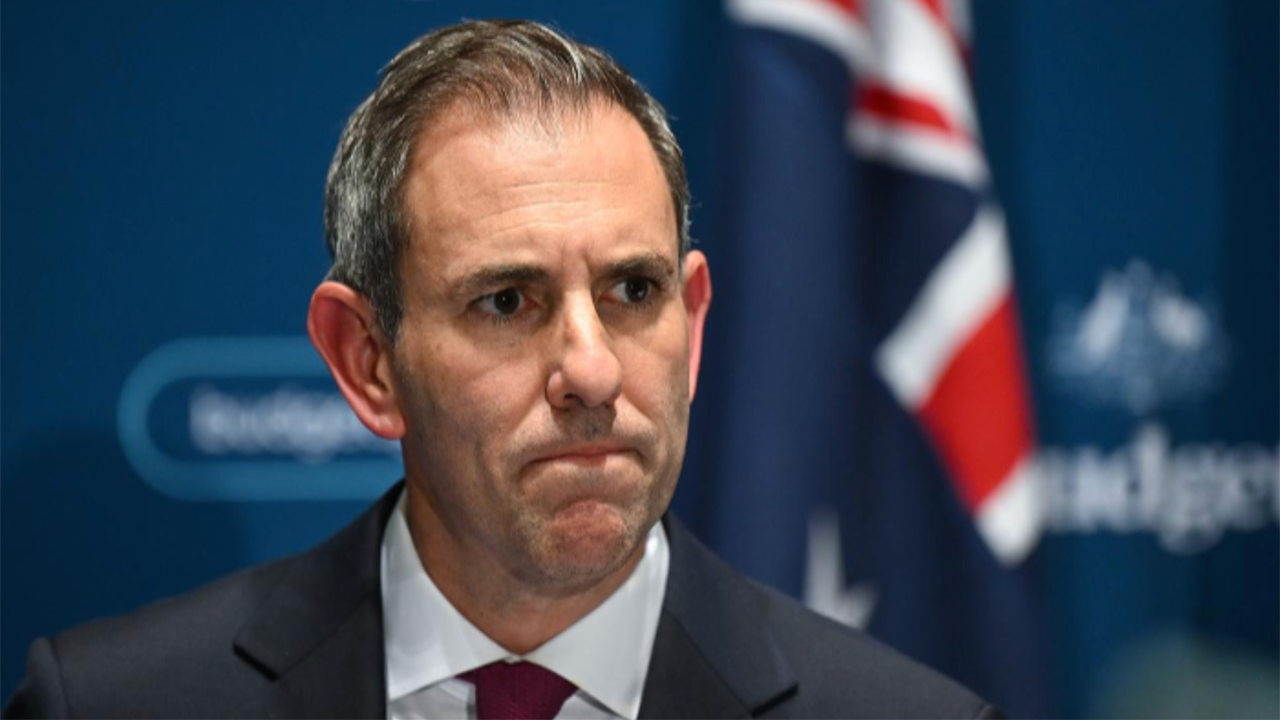
Treasurer Jim Chalmers has delivered one of the boldest federal budgets in years – a budget heavy on tax reform, housing affordability and cost-of-living relief, while also taking aim at investors, wealthy Australians and soaring government spending.
Here are the three biggest winners, and the three groups left licking their wounds…
WINNERS
- First-home buyers
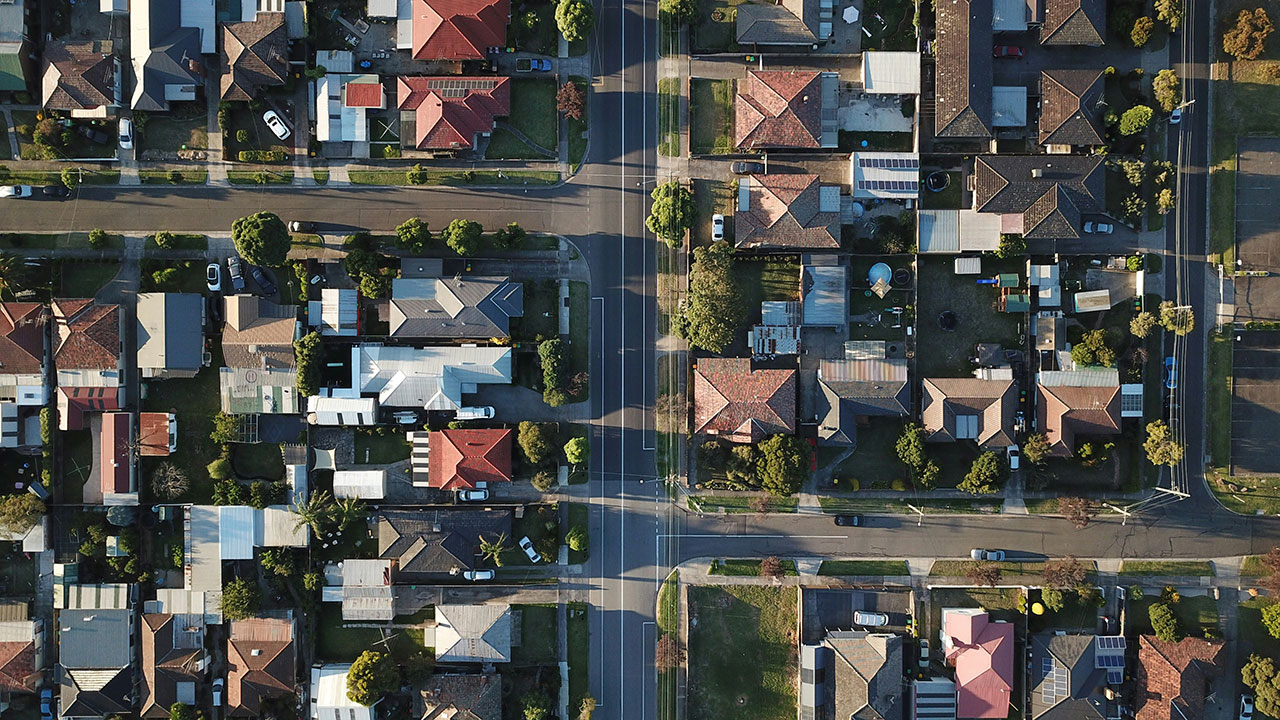
After years of being crushed by investors and rising prices, aspiring homeowners finally received a major boost. The government’s sweeping changes to negative gearing and capital gains tax are designed to cool investor demand and free up more homes for owner-occupiers, with Treasury forecasting an extra 75,000 Australians could enter the housing market over the next decade.
The budget also pours billions into housing infrastructure, including roads and utilities needed to support up to 65,000 new homes nationwide.
- Ordinary taxpayers
Millions of workers will pocket modest but politically important tax relief. The centrepiece is a new permanent Working Australians Tax Offset worth up to $250 a year from 2027-28, on top of previously announced tax cuts.
The tax rate for income between $18,201 and $45,000 will also progressively fall from 16 per cent to 14 per cent over the next two years, while a new $1000 instant deduction for work expenses aims to simplify tax time for millions.
For a government desperate to ease cost-of-living pain without turbocharging inflation, workers were clearly front and centre.
- Defence, fuel security and manufacturing
With global instability intensifying – including fears around an extended conflict in the Middle East – the budget massively ramps up spending on national strength.
More than $50 billion has been earmarked for defence over the coming decade, while major investments into fuel reserves, fertiliser supply and logistics infrastructure aim to shield Australia from future global shocks.
Manufacturing and transport businesses will also gain access to interest-free loans and fuel relief measures designed to soften rising operating costs.
LOSERS
- Property investors and wealthy Australians
For decades, negative gearing and the capital gains tax discount were considered politically untouchable. Not anymore.
The budget dramatically winds back tax concessions for future investors, limiting negative gearing benefits and replacing the flat 50 per cent capital gains tax discount with an inflation-linked model.
High-income earners using discretionary trusts are also in the firing line, with a new 30 per cent minimum tax floor set to raise billions.
The message from Labor is clear: wealth tied up in assets will be taxed harder, while income earners get more relief.
- The NDIS
One of the budget’s harshest realities is the crackdown on the soaring cost of the National Disability Insurance Scheme.
The government is banking on tens of billions in savings through tighter eligibility rules and spending controls, amid warnings that as many as 160,000 people could eventually lose access to the scheme.
Advocacy groups say the reforms risk pushing vulnerable Australians into already overstretched mainstream services, while critics argue the government is trying to repair the budget by cutting support.
- Retirees and wealthier households
Older Australians and wealthier families were among the surprise casualties.
The government is winding back private health insurance rebates for some retirees, while larger super balances and investment income face tougher tax treatment.
Frequent overseas travellers, landlords and high-asset households are also expected to feel the squeeze as Labor pivots toward what it calls “intergenerational fairness”.
The budget may have delivered relief for workers and aspiring homeowners, but somebody had to foot the bill – and this year, the government decided it would be investors, wealth holders and expensive government programs.