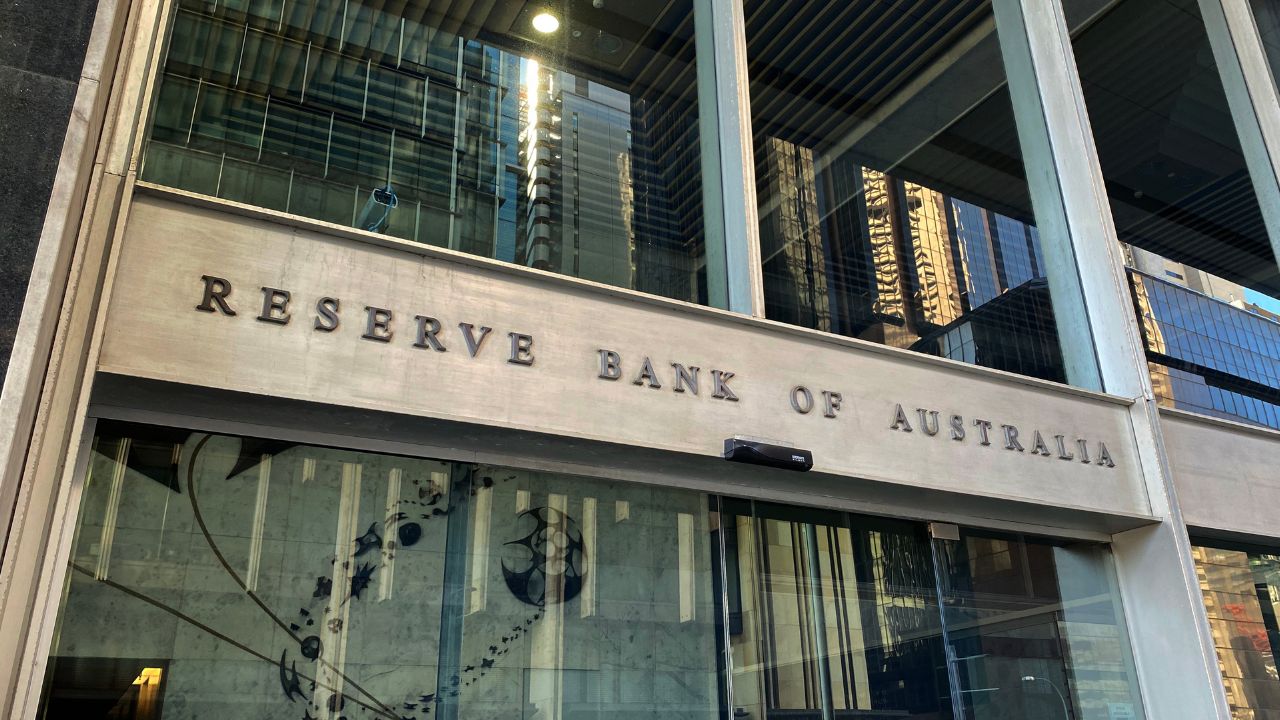
Australian mortgage holders are facing further pressure after the Reserve Bank of Australia (RBA) lifted interest rates for the third consecutive time this year.
Following its two-day meeting, the RBA raised the cash rate by 25 basis points to 4.35 per cent, with eight of the nine board members voting in favour of the increase.
One member voted to leave the rate unchanged at 4.10 per cent.
The central bank said inflation remained too high, sitting at 4.6 per cent, well above its target range of 2 to 3 per cent, and warned it could take time to bring it under control.
“As expected, developments in the Middle East are having an impact on inflation,” the board said in its statement.
“Higher fuel prices are adding to inflation and there are indications that this is likely to have second-round effects on prices for goods and services more broadly.
“This inflation impulse is in addition to the high inflation recorded around the start of 2026, reflecting capacity pressures in the economy.
“In light of these considerations, the Board assessed that inflation is likely to remain above target for some time and that the risks remain tilted to the upside, including to inflation expectations.
“It was therefore judged appropriate to increase the cash rate target.”
The RBA said it would continue to monitor global and domestic conditions closely.
“In doing so, it will pay close attention to developments in the global economy and financial markets, trends in domestic demand and the outlook for inflation and the labour market,” the statement said.
“Having raised the cash rate three times, monetary policy is well placed to respond to developments and the board is focused on its mandate to deliver price stability and full employment.
“It will do what it considers necessary to achieve that outcome.”
The latest decision follows a sharp rise in fuel costs, with petrol prices jumping 32.8 per cent in March and contributing to a broader increase in transport costs.
Economists say global tensions, including conflict affecting key oil supply routes, have contributed to rising inflation pressures.
HSBC chief economist Paul Bloxham said the central bank had limited options.
“With only a blunt instrument, the RBA has few options. The RBA is wielding its sledgehammer and knocking the economy into a downturn to disinflate it,” he said.
Westpac chief economist Luci Ellis said further increases may be on the horizon.
“The outlook for the cash rate beyond May is necessarily less certain. We hold to our base case that there will be two further rate hikes after May, in June and August,” she said.
If banks pass on the latest increase in full, a borrower with a $600,000 variable home loan could pay about $91 more each month.
Some lenders have already made their move, with Macquarie Bank saying it would increase its variable home loan rates from May 22.
“In response to the RBA’s announcement earlier today, we will be increasing both our variable home loan rates, and the interest rates available on our everyday variable rate bank accounts,” head of personal banking Ben Perham said.
“To give our customers more time to adjust to the higher interest rate environment, we are once again delaying this increase by more than two weeks.”
Image: Rose Marinelli / Shutterstock.com