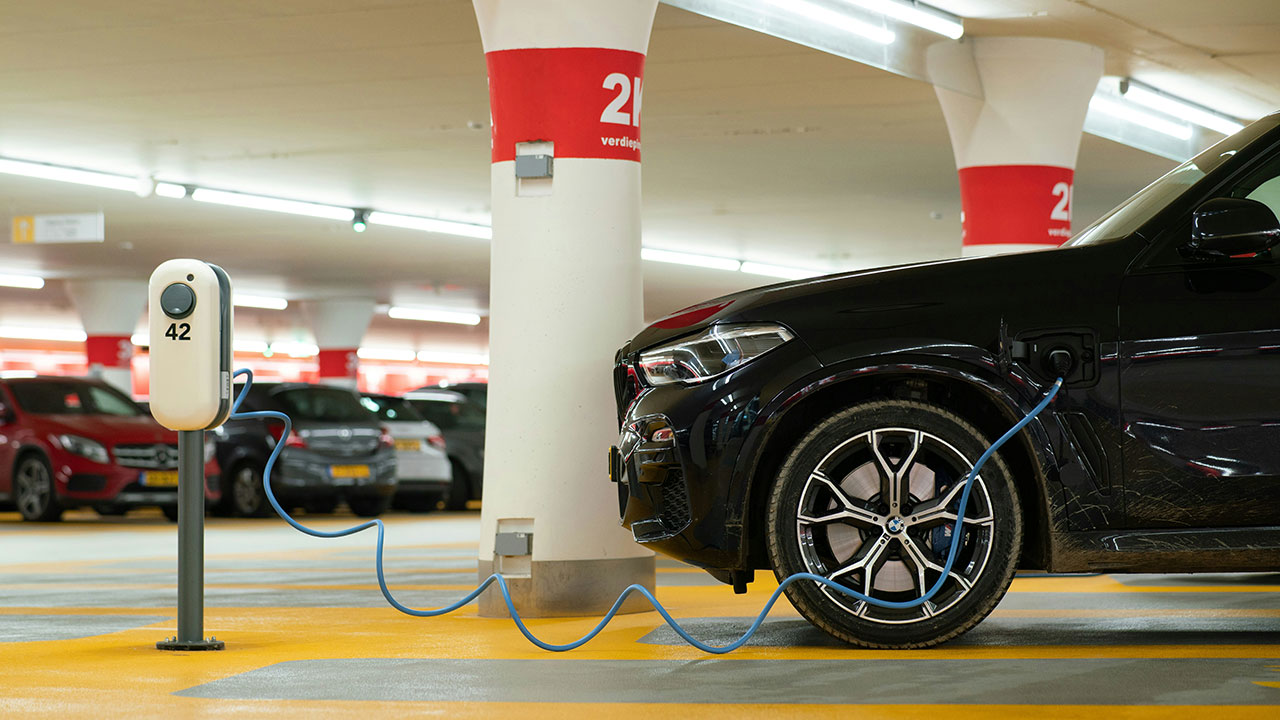
A federal review has found Australia’s electric vehicle tax break has disproportionately benefited wealthier motorists, prompting the government to phase back the concession for more expensive cars while preserving support for lower-cost models.
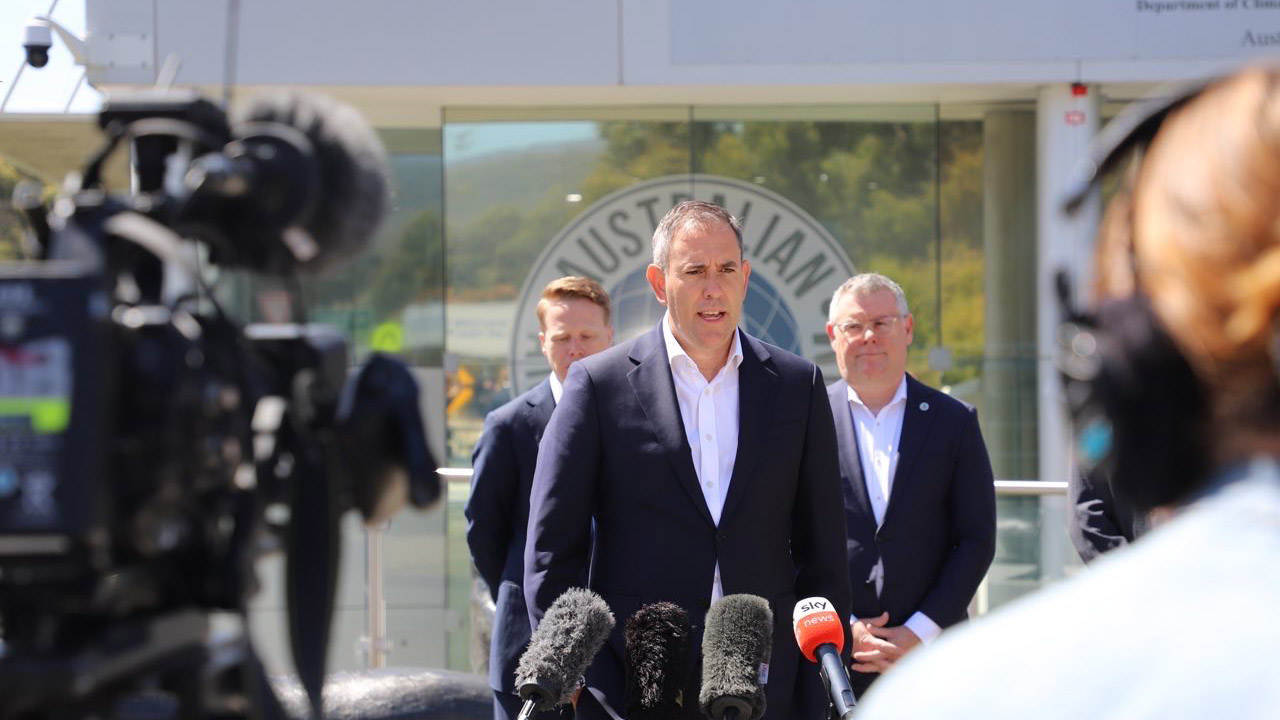
Treasurer Jim Chalmers and Energy Minister Chris Bowen announced that tax breaks for electric vehicles priced above $75,000 will be reduced from next year, with the current arrangement to remain in place until March 31, 2027. Existing leases will not be affected.
The changes are expected to save $1.7 billion and follow a review showing that higher-income Australians, particularly in inner-city areas, have received the largest share of the benefit.
“It’s a substantial saving, but it’s better calibrated support for EV purchases which, as I said, benefits the country when we have higher EV uptake,” Mr Bowen said.
He said the market had shifted significantly since the scheme was introduced. “There were only two EVs under $40,000; now there are around 10 and, for the first time, one model is under $30,000.”
Under the current Electric Car Discount, eligible electric vehicles receive a full Fringe Benefits Tax discount through novated leasing. That full discount will continue until March 31, 2027.
After that, the full FBT discount will apply only to EVs costing $75,000 or less. Vehicles priced above $75,000 but still below the luxury car tax threshold will receive a 25 per cent discount on payable FBT. From April 1, 2029, all EVs below the luxury car tax threshold will receive that 25 per cent FBT discount.
The government says the redesign should encourage carmakers to bring more affordable electric vehicles to Australia.
The review by Treasury and the Department of Climate Change found the Electric Car Discount cost taxpayers $2 billion in its first three years. Data from the Australian Taxation Office showed that 30.6 per cent of novated leases under the scheme to October 2025 were taken out by motorists above the top tax threshold, while a further 24 per cent went to those earning between $135,000 and $190,000.
The review also noted that EV sales were being supported by broader market forces, including falling global prices and concerns about fuel costs. It warned the government would “continue to incur an increasing revenue cost from the ECD” even as the benefits of the scheme declined.
The Motor Trades Association of Australia supported the staged approach. Interim executive director Peter Jones said, “MTAA has consistently called for policy stability and a managed transition, and today’s announcement delivers exactly that.”
He said sudden changes would have damaged confidence across the automotive sector, particularly for smaller and regional operators. “Abrupt changes to incentive settings would have undermined investment confidence across the automotive trades, particularly for small and regional businesses already managing the cost of upgrading workshops, training technicians and meeting new safety requirements for high voltage vehicles.”
Mr Jones said the phased reform would allow businesses to prepare while preserving access to cheaper EVs for ordinary Australians. “The phased model provides certainty for businesses to plan ahead, while keeping more affordable EVs within reach of everyday Australians through salary packaging and novated leasing.”
The announcement comes as the government weighs broader tax changes ahead of the budget, including speculation about a one-off tax offset for wage earners. Reports have suggested workers could receive between $200 and $300 as temporary cost-of-living relief, though the government has not confirmed that measure.
At the same time, ministers are under pressure over possible changes to negative gearing, capital gains tax and family trusts. Mr Chalmers has argued that changing policy when circumstances shift can still build public confidence.
“First of all, I think the best way to build trust is to make the right decisions for the right reasons,’’ he said.
“There are genuine intergenerational concerns and pressures in our Budget, in our tax system, in our housing market and in our economy more broadly.
“I think the intergenerational pressures are really serious.
“We recognise and respect the really big contribution that older Australians have made and continue to make to our country and to our economy. But a lot of Australians, and particularly younger Australians, are finding it really difficult to get into the housing market.
“It’s about recognising some of these legitimate intergenerational concerns which, in my experience, are often shared by older Australians as well.”
Part of the government’s case for trust reform rests on the growth of discretionary trusts over the past two decades, from 400,000 to 800,000. Those trusts generated more than $153 billion in net income and held net assets of $1 trillion. According to 2023 figures, 23 per cent of individuals with trusts were top income earners and they received 63 per cent of trust income.
A Treasury report by tax academic Professor Miranda Stewart recommended a minimum tax rate on trust distributions of between 25 and 30 per cent. Speaking at a tax roundtable at Parliament House last year, she said, “I would solve that with a withholding tax on trust rights and trust distributions; a non-refundable withholding tax, let’s say 30 per cent.”
“Your average punter is having tax taken out of their pay every fortnight.”
Independent MP Allegra Spender has also pointed to the difference in how wages and trust income are taxed. Based on modelling in her April 2026 Personal Tax White Paper, a wage earner on $100,000 would pay $22,788 in tax, while the same income channelled through a family trust and split with a non-working spouse would face a tax bill of $13,076.
“These advantages are manifestly unfair to wage-earners who have no opportunity to split their income, and pay much more tax on similar total family income,” she said.