Australians without electric vehicles could still end up helping pay for the nation’s EV charging rollout under a plan supported by the Albanese government.
The proposal would allow electricity networks to charge every household up to $1.44 a year to help fund public EV chargers, even if the household does not own an electric car. The government says the cost to consumers would be modest.
“The estimated peak bill impact is between $0.79 and $1.44 per household per year, and no impact is expected before 2029,” a government spokesperson said.
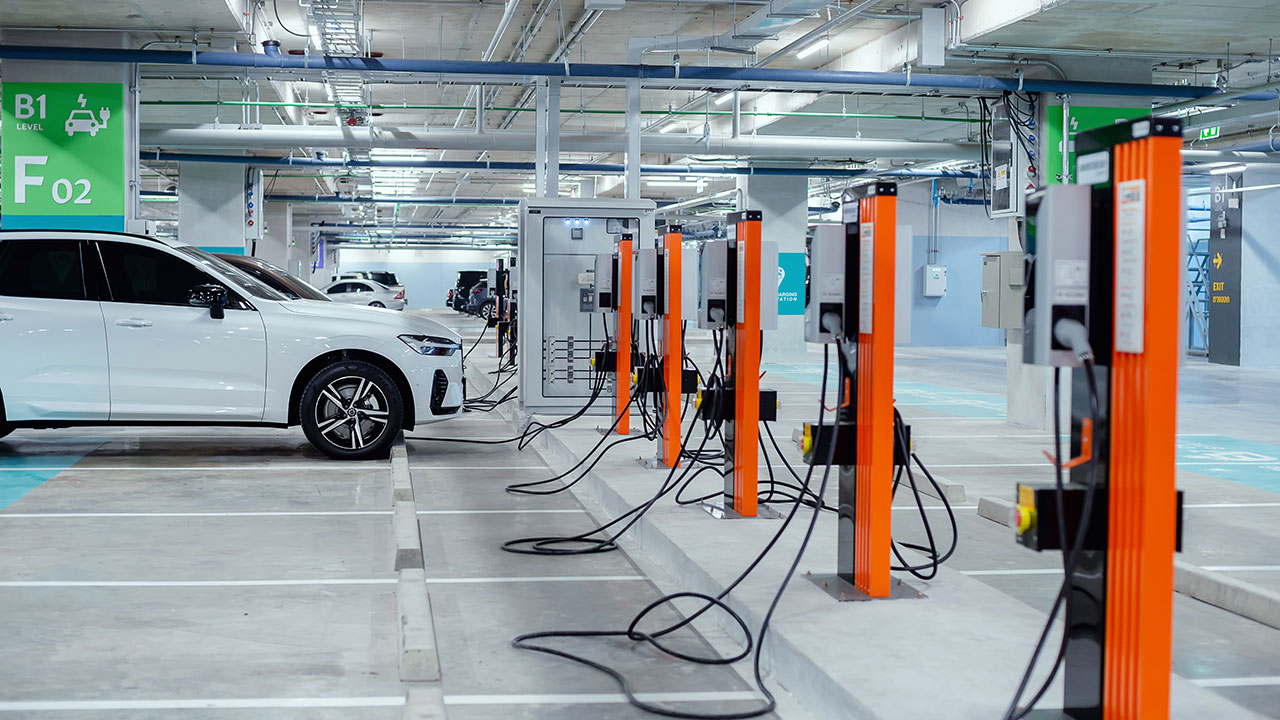
The plan comes as Australia’s public charging network struggles to grow quickly enough, particularly in regional communities and suburban streets where private operators have been less willing to invest because returns are lower.
Under the proposed system, electricity networks would be able to help get charging infrastructure off the ground by identifying suitable sites and preparing them for installation. Private charging companies would be given the first chance to install and run the chargers. If no private operator takes up the opportunity, the network could step in as a provider of last resort.
The approach is designed to plug gaps in the market while still leaving room for private investment, an issue that has become increasingly important as Australia pushes through the broader energy transition.
Much of the rollout would be added to the regulated asset base, which means costs would be spread across electricity users over time rather than being paid only by EV drivers. While government funding is expected to cover part of the expense, households would still make a contribution.
Backers of the plan say the benefits would extend beyond electric vehicle owners, pointing to lower emissions and a quicker move away from petrol and diesel cars. But critics argue that case may be harder to sell during a cost-of-living crisis.
Some industry groups have also questioned whether the model could reduce competition by giving electricity networks too much influence over where chargers are installed and how the market develops.
National Electrical and Communications Association chief executive Mark Stedman said the proposal could backfire because the very networks seeking a larger role have been part of the problem.
“The main barrier to the rollout of EV chargers is the networks themselves,” he told The Australian Financial Review.
Energy consultancy Nexa Advisory has also raised concerns about how the system would work in practice. Its chief executive, Stephanie Bashir, said the idea of a provider of last resort made sense in theory, but the real test would be in how the rules are applied.
“As ever, though, the devil is in the implementation and the detail,” she told The Australian Financial Review.
“As written, the rule change is picking sides and allows the networks a lot of leeway, which is detrimental to competition and therefore to consumers.”
If adopted, the proposal is expected to result in as many as 14,000 additional chargers, more than doubling Australia’s current public charging network.