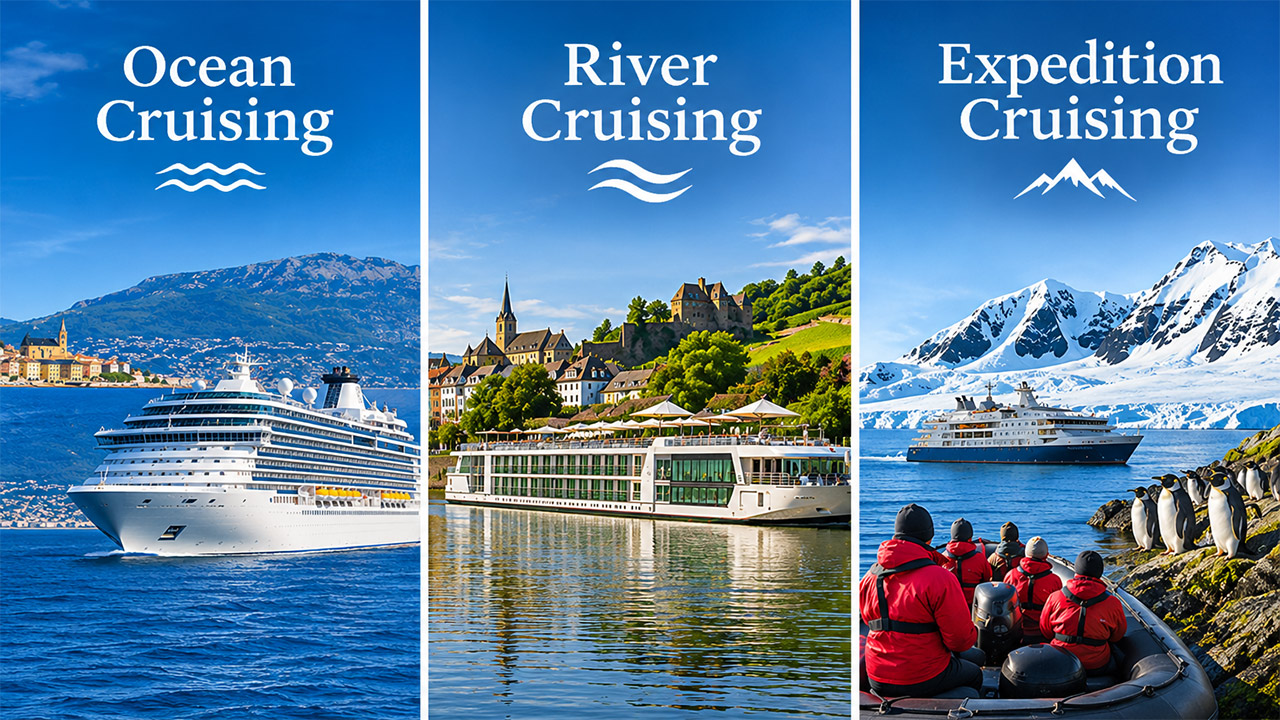
Ocean, river and expedition cruising all get filed under the one word, but they are three different holidays that happen to share a hull. The right pick depends on how you want your day to run once you are aboard, not which style sounds more impressive over dinner.
Get that pairing wrong and even a well-run cruise can disappoint. The ship itself is almost beside the point – what matters is whether you wake up to a resort-style day at sea, step straight off a gangway into a town, or climb into a small boat to reach a beach no dock could ever reach.
Ocean cruising feels like a resort that moves
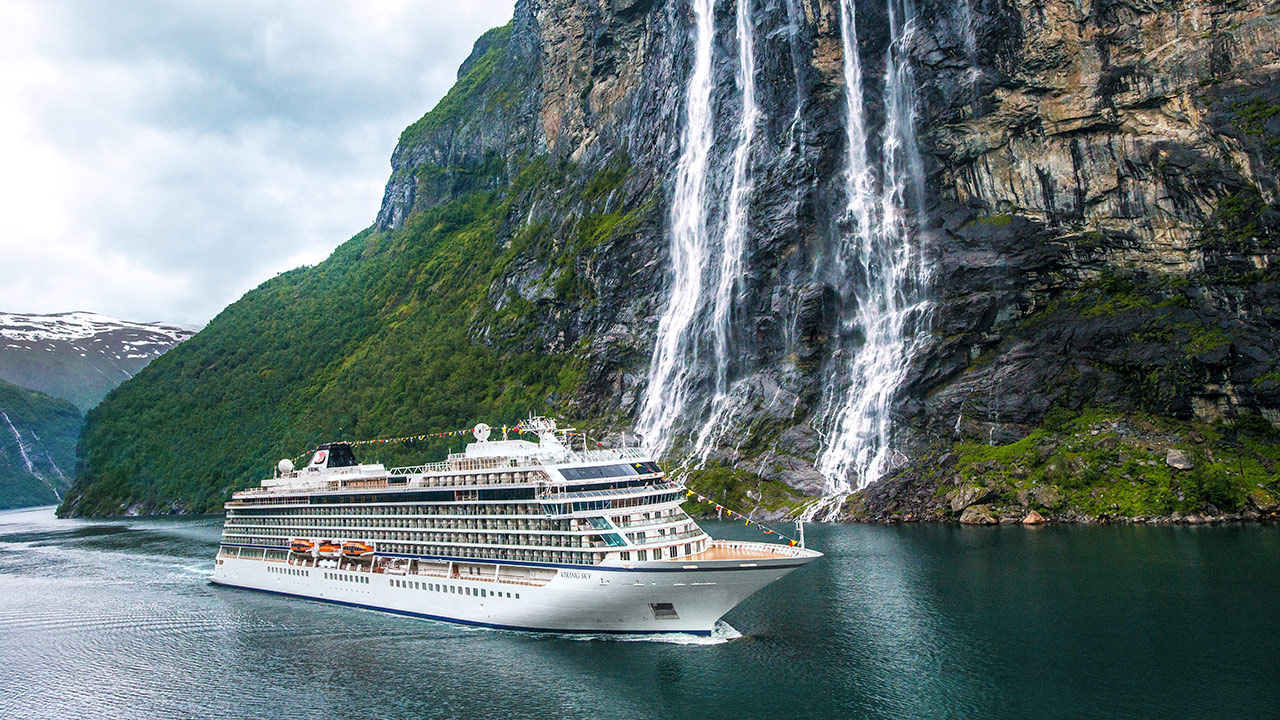
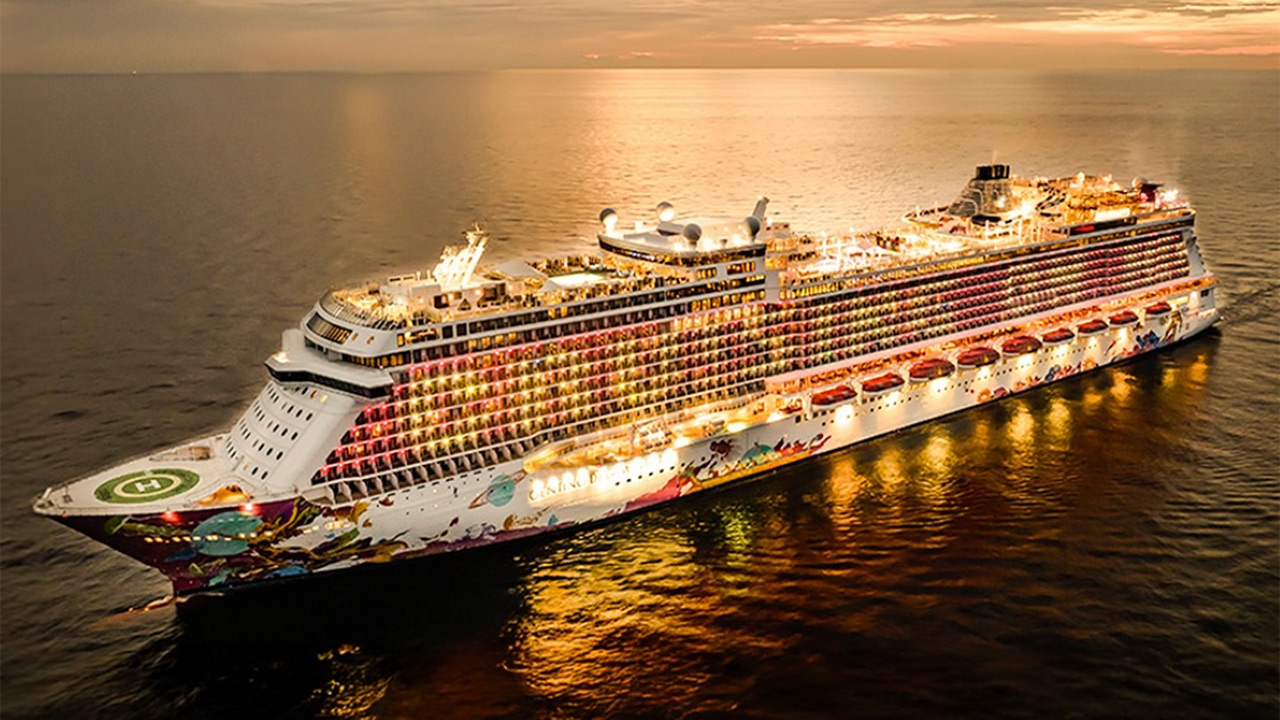
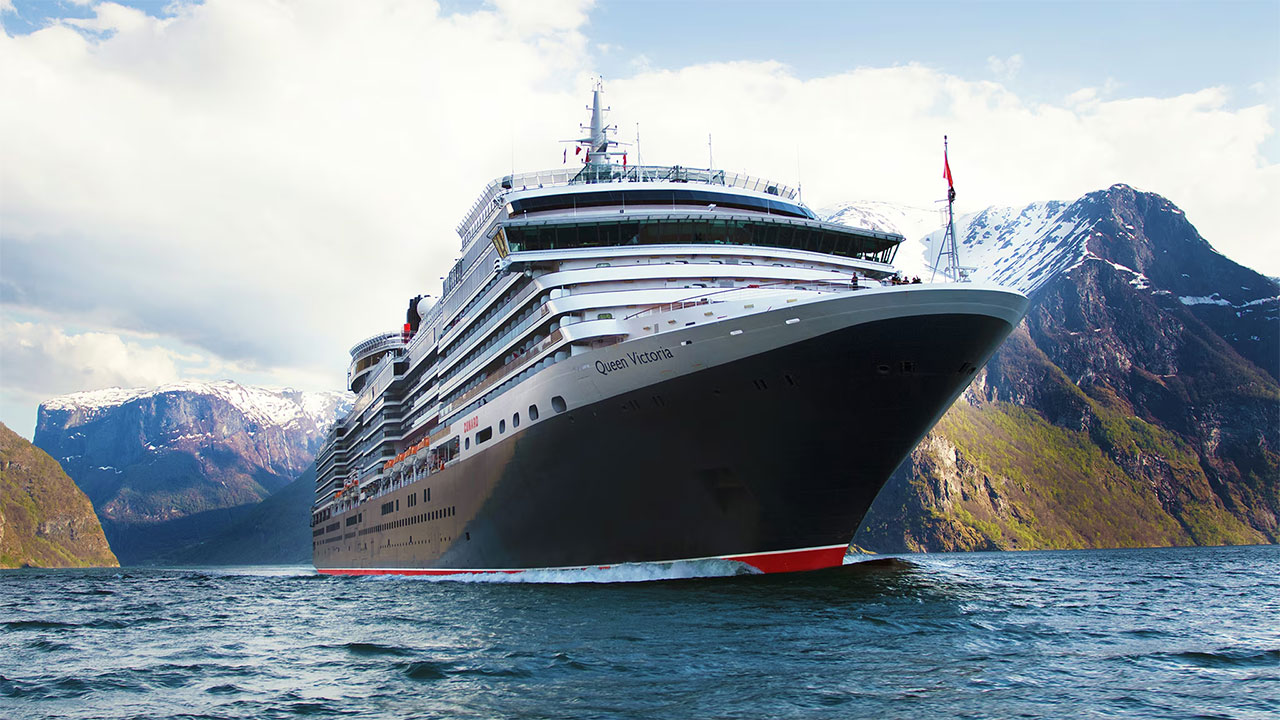
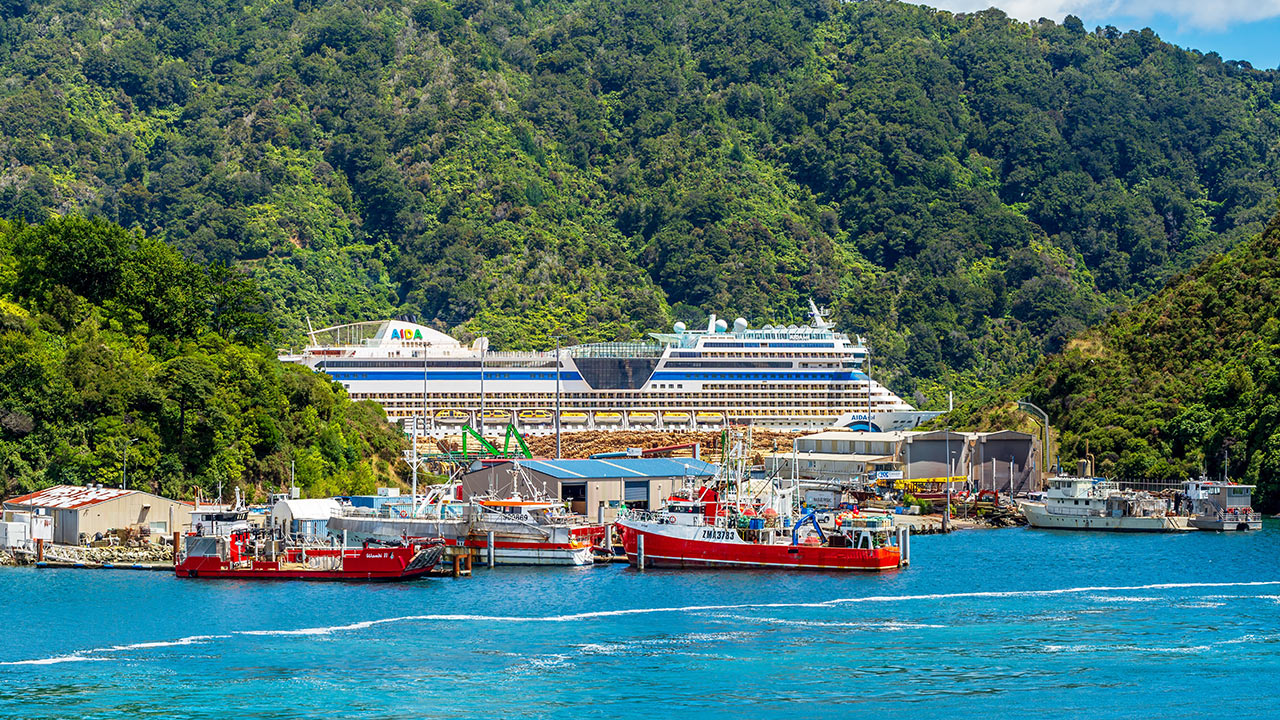
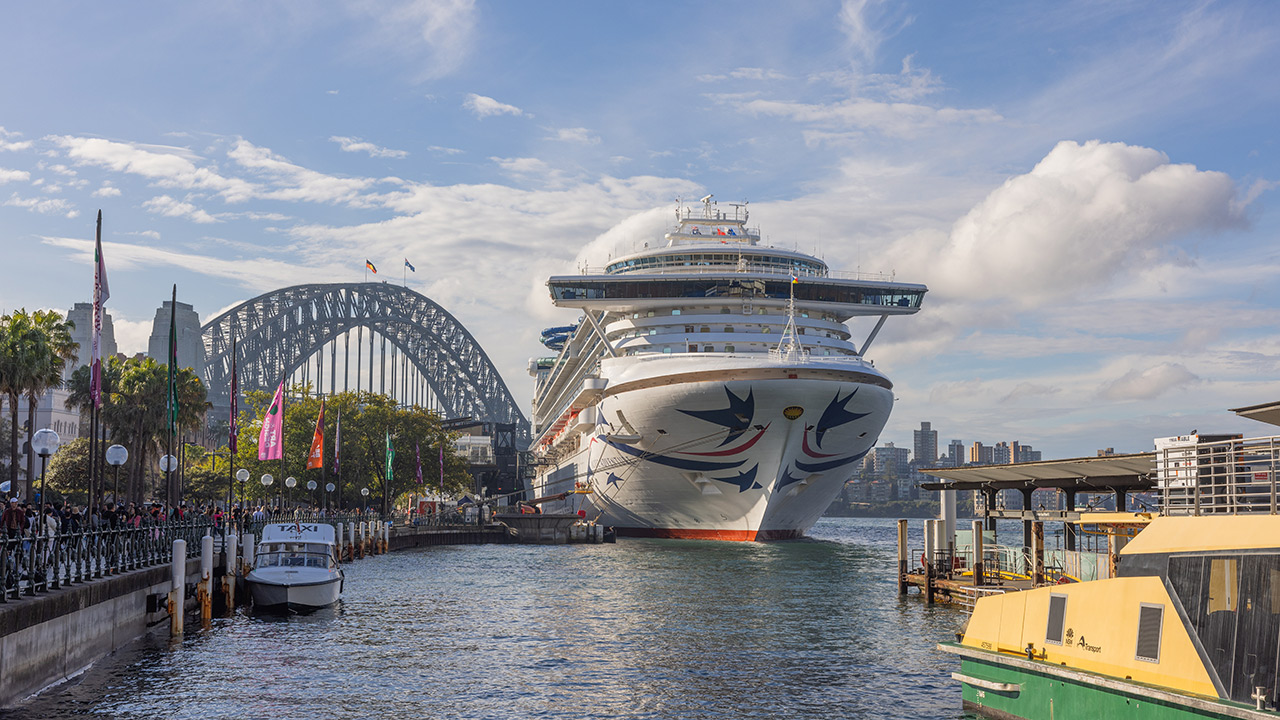
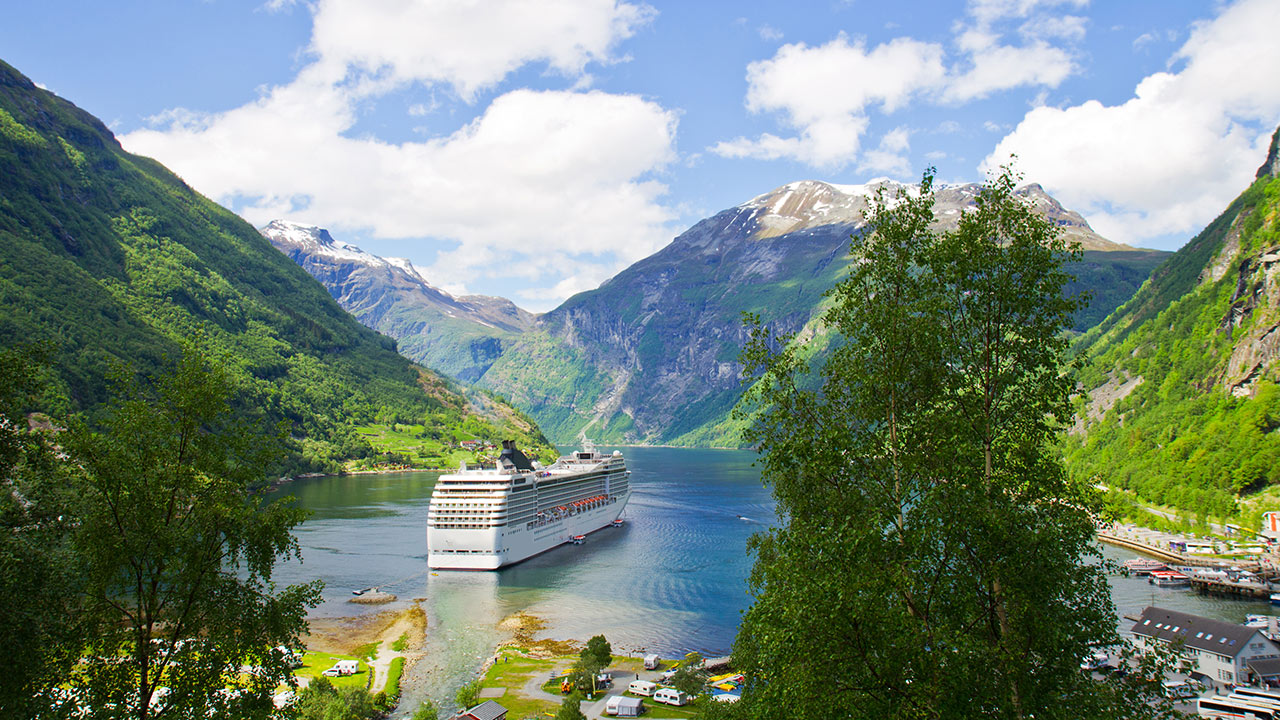
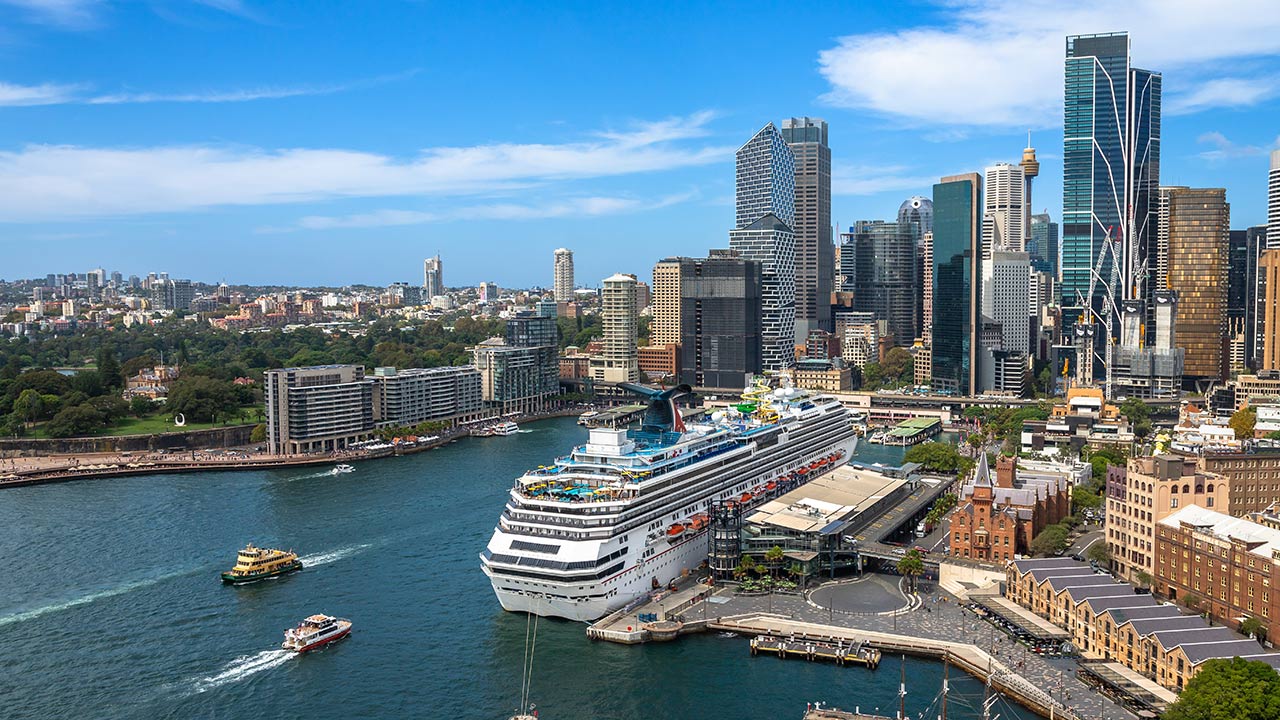
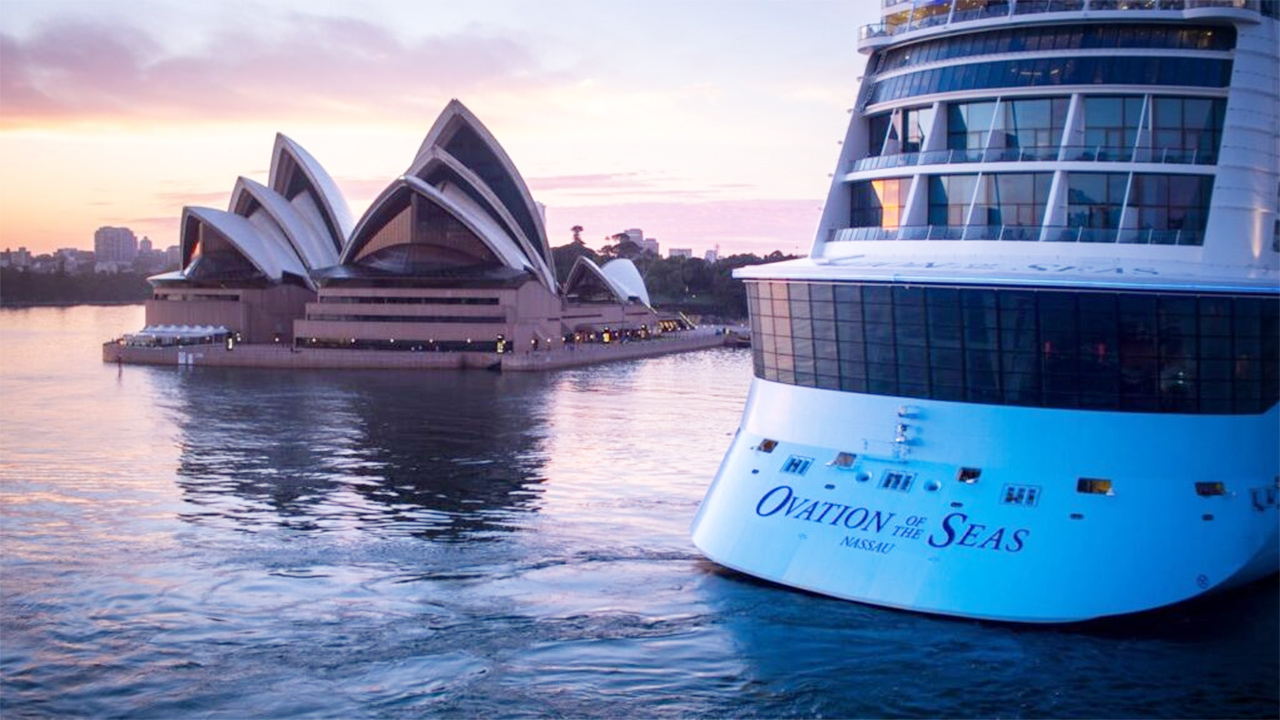
Ocean cruising spans the widest range of the three styles, from family-friendly mid-size ships to resort-scale vessels carrying thousands of passengers through the Mediterranean, the Caribbean, the Norwegian fjords and Alaska. The biggest ships deliver a full resort day between port calls – multiple dining venues, entertainment and activity rosters to fill the hours at sea.
That scale carries a trade-off. At the largest end, ocean cruising can mean “well over 5,000 passengers, with buffet queues, crowded pool decks, and tender ports where you wait in line with hundreds of others”. Even a smaller ocean ship more often anchors offshore or docks some distance from a town centre, so a tender or shuttle transfer sits between ship and street rather than a direct walk.
Smaller ocean ships do exist, carrying under 100 up to around 600 passengers into coastlines and harbours the resort ships skip. Fares across ocean cruising sit in the widest cost band of the three styles, from budget to all-inclusive, but shore excursions are typically priced separately unless the cruise line specifies otherwise.
River cruising puts the old town at your gangway
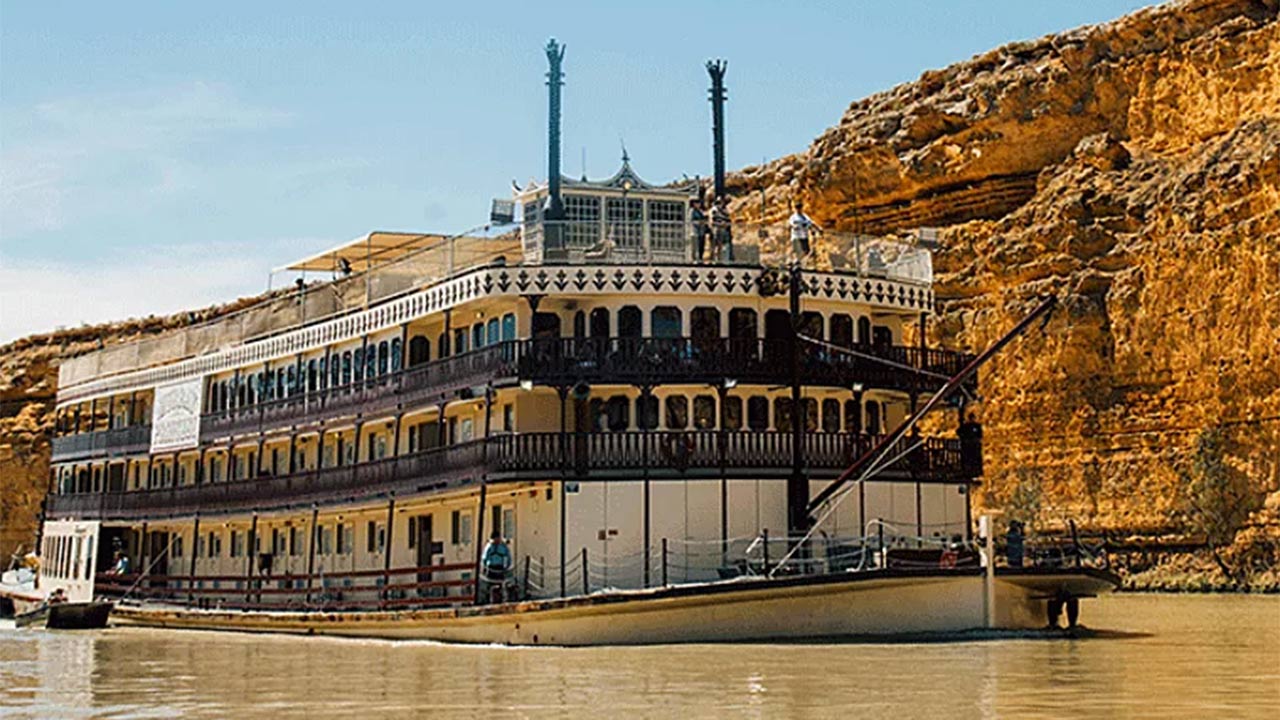
River ships are consistently the smallest of the three, typically carrying 100 to 200 passengers along the Danube, Rhine, Seine and Mekong, with some cruise lines also running the Nile and the Mississippi. The difference that matters most is where the ship actually ties up.
A river ship docks at the town embankment itself, gangway opening directly onto the old town, with no tender, no shuttle and no taxi queue in between. You can be at a café table in Passau or wandering a Provençal market within minutes of stepping off, and back aboard just as quickly if the weather turns.
That directness suits a traveller who wants to return to the ship for lunch and head out again, or wander a town after dark knowing the cabin is minutes away. The trade-off is a quieter ship – fewer onboard activities and a more fixed itinerary than ocean or expedition cruising, because river cruising lets the destination do the entertaining rather than the vessel.
River fares tend to bundle more into the headline figure, with shore excursions typically included. That narrows the apparent gap with ocean cruising, though the daily cost can still run higher than it first looks once every inclusion is compared line by line.
Expedition cruising bends around the wildlife, not the clock
Expedition ships are purpose-built or ice-strengthened, carrying 100 to 300 passengers into Antarctica, the Arctic, the Galápagos and the Kimberley coastline. Cruise lines in this space – Silversea, Ponant, Lindblad and HX among them – pair wild landings with all-suite cabins and open-bar inclusions at the top end. The National Geographic Endurance, for one, is built to PC5 Category A ice class, among the highest ice ratings used on a passenger expedition ship.
There is no dock at all on most expedition days. Passengers go ashore by Zodiac rather than gangway, with daily lectures from naturalists, historians or photographers filling the hours at sea. A typical day can mean Zodiac landings on Antarctic beaches, walking among penguin colonies, or cruising the Kimberley coastline with a marine biologist narrating from the bridge – and the itinerary can shift at short notice around weather, ice or wildlife.
That flexibility is the whole appeal for some travellers and the wrong fit for others. Expedition cruising sits in the highest price band per person per night of the three styles, reflecting the small passenger numbers and the Zodiac excursions, butler service and open-bar inclusions bundled in at the luxury end. Connectivity is typically limited too, so anyone used to streaming through a sea day should expect less of it here.
Matching the booking window to the style
The three styles run on different clocks, and the gap matters more than it first looks. Expedition sailings are typically booked 12 to 18 months ahead, because small ships and polar seasons sell down early and cabin choice narrows fast. River cruising follows a fixed, destination-led route that gives cruise lines more certainty earlier, so 6 to 12 months ahead is the typical window, while ocean cruising, with far more capacity to sell, runs on the shortest lead time of the three at 3 to 9 months out.
What to check before you compare two fares
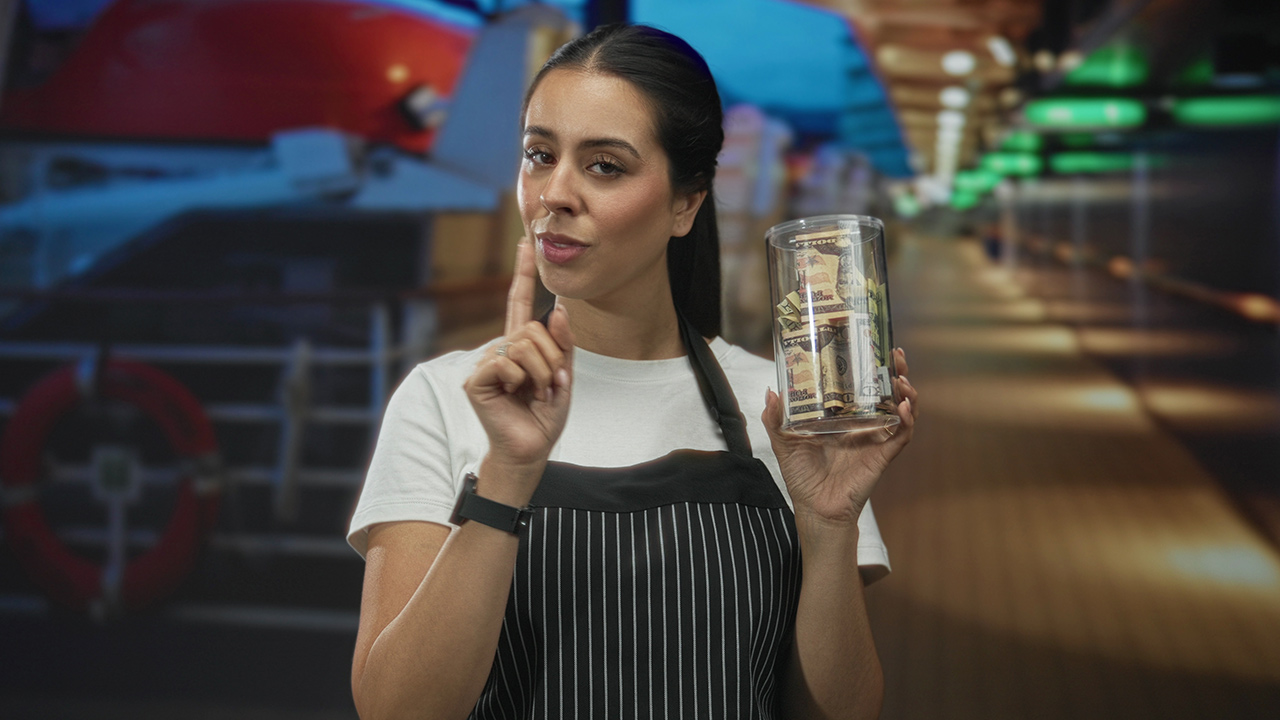
None of the three styles outranks the others – what causes regret is pairing the wrong traveller with the wrong style, not any flaw in the cruise itself. Before weighing one fare against another, confirm what is actually bundled in. Gratuities – the daily service charge added to your onboard account – along with drinks, wifi and flights to the embarkation port are the line items most often left off a headline figure, across all three styles.
Travel insurance deserves a second look too, particularly for expedition sailings, where itineraries change with conditions and remote medical evacuation is a real consideration. For river and ocean cruising, check the policy covers cancellation, missed port compensation where it is offered, and medical cover suited to the regions on the itinerary.
The real question was never which style sounds more impressive at the dinner table. It is whether you want to step out of a gangway straight into a Danube old town, settle into a deck chair as a resort ship slides past a fjord, or stand in a Zodiac with the engine cut, watching a penguin colony go about its morning as if you were never there at all.