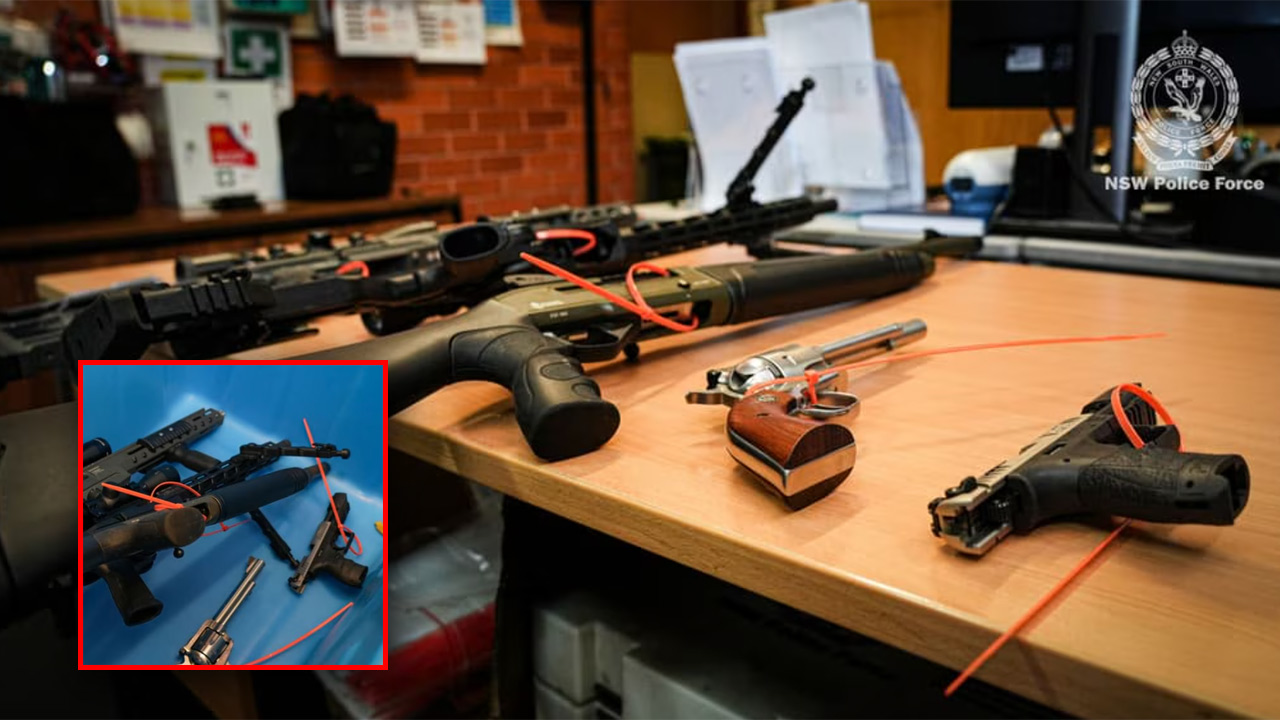
The 12-month program officially begins on Monday, November 2, with 331 licensed gun owners already registering to surrender 2420 firearms and 194 eligible ammunition items.
It marks the beginning of what could become the largest firearms buyback in NSW since the sweeping gun reforms introduced following the 1996 Port Arthur massacre.
Under the scheme, eligible firearm owners will receive between $450 and $1000 for each weapon surrendered, while those handing over qualifying quantities of ammunition will receive $150.
A second phase, scheduled for 2027, will offer compensation of between $3000 and $10,000 for certain higher-value firearms.
The NSW Government estimates that as many as 274,000 firearms could eventually be surrendered, with approximately 18 per cent of the state’s licensed gun owners affected.
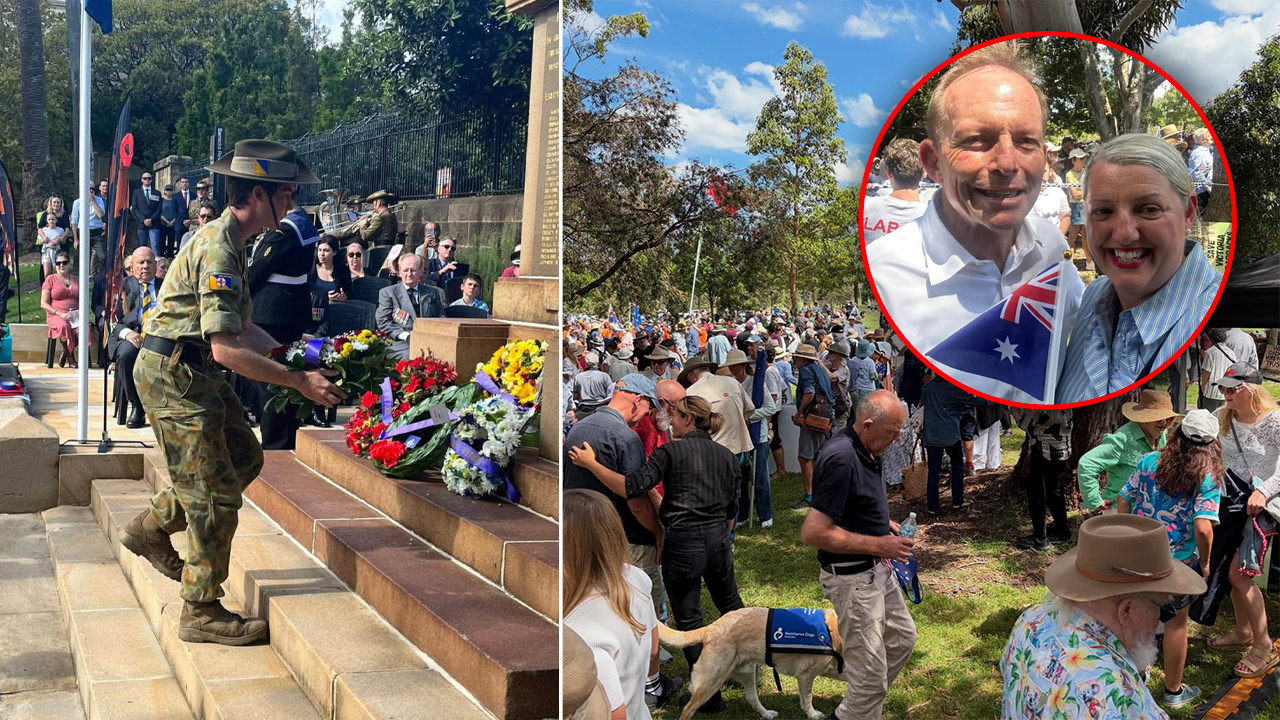
Premier Chris Minns insists the changes are necessary to protect the community following the deadly Bondi Beach terrorist attack in December 2025, which claimed 15 lives.
“Fewer unnecessary firearms in circulation means fewer opportunities for them to fall into the wrong hands,” Mr Minns said.
“After the horrifying terrorist attack at Bondi, we said we would take big and decisive action to reduce the risk of gun violence in our community.”
He also pointed to the growing number of firearms across Australia, which now exceeds the number registered before the Port Arthur tragedy.
“We have made a deliberate decision to put community safety first by reducing the number of firearms in our community, and I make no apologies for that.”
However, the program has sparked considerable anger among licensed gun owners, particularly in regional communities where firearms are commonly used for farming, pest control and recreational shooting.
Critics argue the reforms unfairly target law-abiding Australians who already comply with strict licensing and storage requirements, rather than addressing the underlying causes of terrorism and illegal gun ownership.
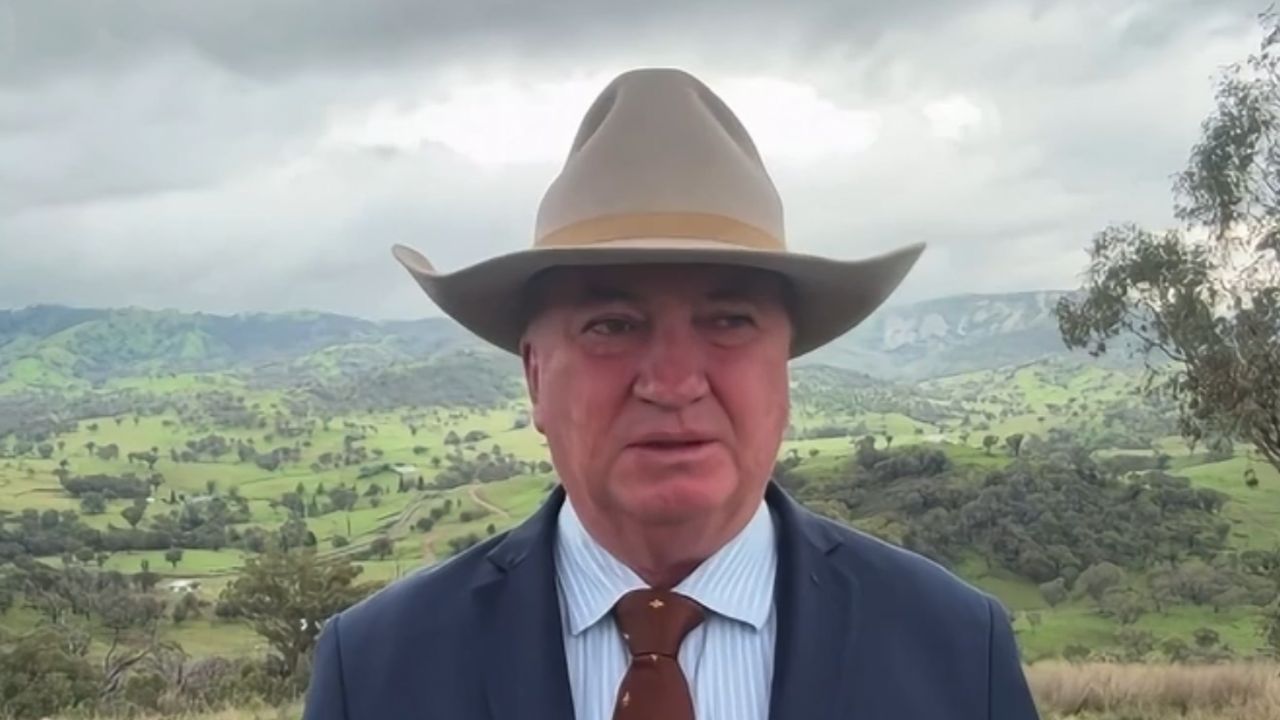
Independent NSW MP Roy Butler has been among those questioning the effectiveness of the changes.
“The idea that taking firearms away from law-abiding people, farmers, sporting shooters, target shooters – that somehow that’s going to stop terrorism or impact terrorism and extremism and radicalisation is just nuts,” he told ABC Radio.
The compensation payments have also come under fire, with some gun owners arguing the fixed amounts fall well short of the actual value of their weapons.
The reforms introduce strict new limits on firearm ownership, with recreational hunters generally restricted to four guns, while eligible farmers, sporting shooters and certain other licence holders can possess up to 10.
Other changes include tougher storage inspections, compulsory gun club membership, shorter licence periods and restrictions on certain types of firearms.
NSW Police Minister Yasmin Catley defended the crackdown, revealing that an average of one legally owned firearm is reported stolen in NSW every day.
“Any gun can end up in the wrong hands which is why we introduced a suite of reforms to reduce risk, strengthen compliance and safeguards, and reduce the number of guns in our community,” she said.
The program has also exposed significant divisions between state governments.
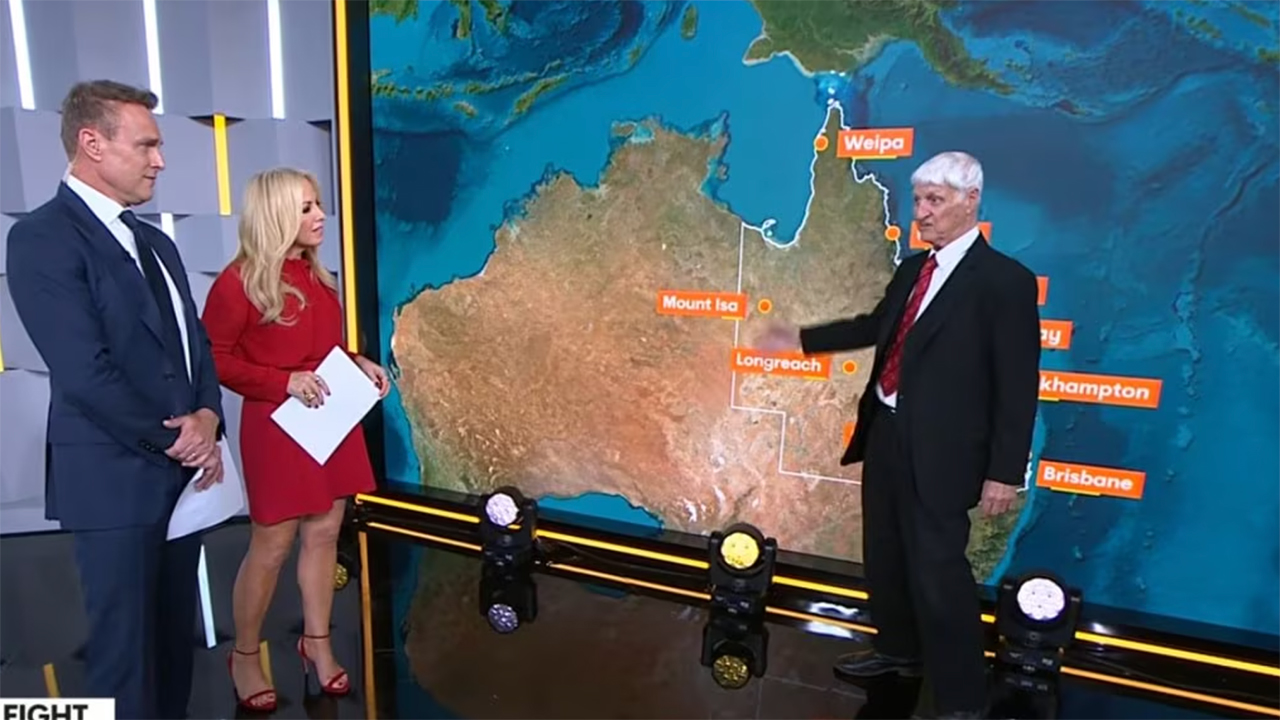
While NSW and the ACT have agreed to participate in the national scheme, Queensland, Victoria and South Australia have rejected the proposal, while Western Australia previously conducted its own buyback.
Queensland Premier David Crisafulli argued the proposed national approach failed to address the real problem, saying the legislation “doesn’t focus on keeping guns out of the hands of terrorists and criminals”.
South Australia has also questioned why state taxpayers should contribute to the cost of a federally initiated program.
The disagreement has prompted comparisons with former prime minister John Howard’s landmark 1996 gun buyback, which was funded entirely by the Commonwealth.
For now, NSW is pressing ahead.
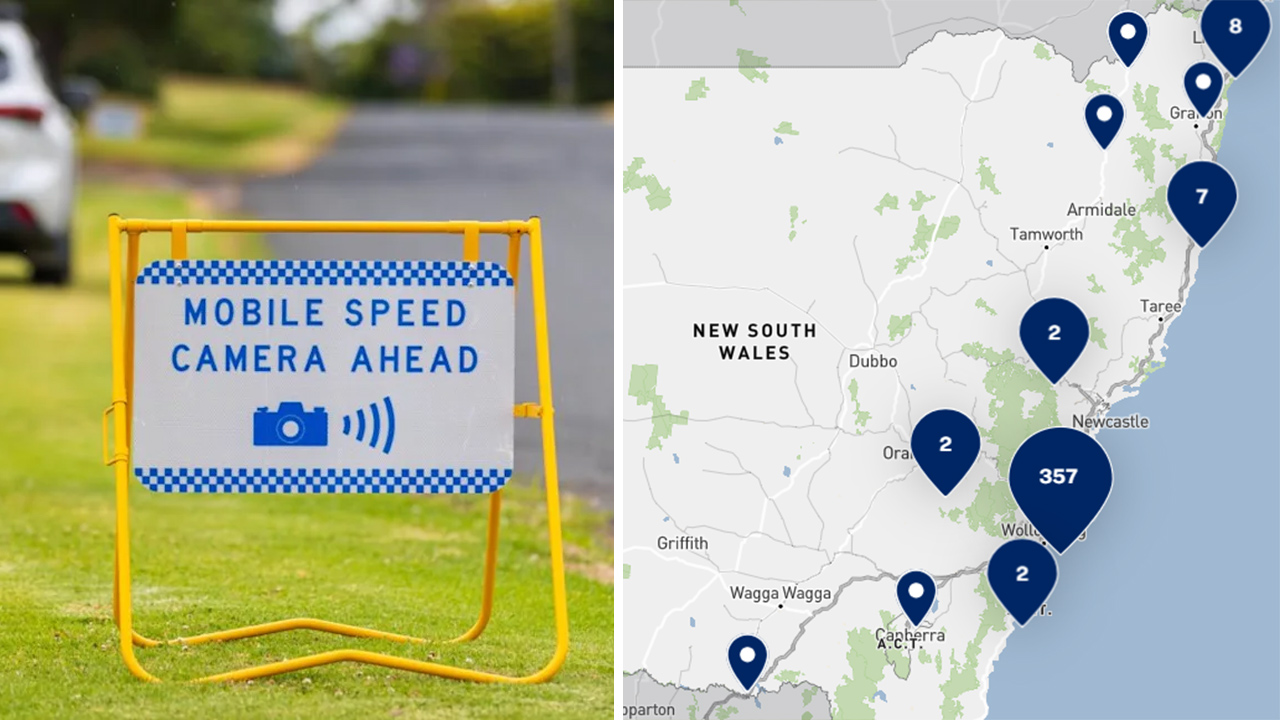
The first six police stations accepting surrendered firearms are in Sutherland, Penrith, Narellan, Grafton, Griffith and Dubbo, with another 34 stations joining the program from December 1.
Gun owners must book an appointment through the NSW Police Gun Safe portal, with walk-in surrenders not permitted.
Police say all initial appointment slots have already been filled, prompting authorities to make additional bookings available.
The scheme will run for 12 months, giving eligible owners time to surrender affected firearms and claim compensation.
While supporters believe removing thousands of guns from circulation will make Australian communities safer, opponents remain unconvinced that restricting legally owned weapons is the answer.
With the first firearms now being handed over, the debate over gun ownership, public safety and the rights of responsible shooters looks set to intensify.