As a politician, Bob Katter has never been accused of thinking small, and his latest proposal could see Australia getting an entirely new state, whether Brisbane likes it or not.
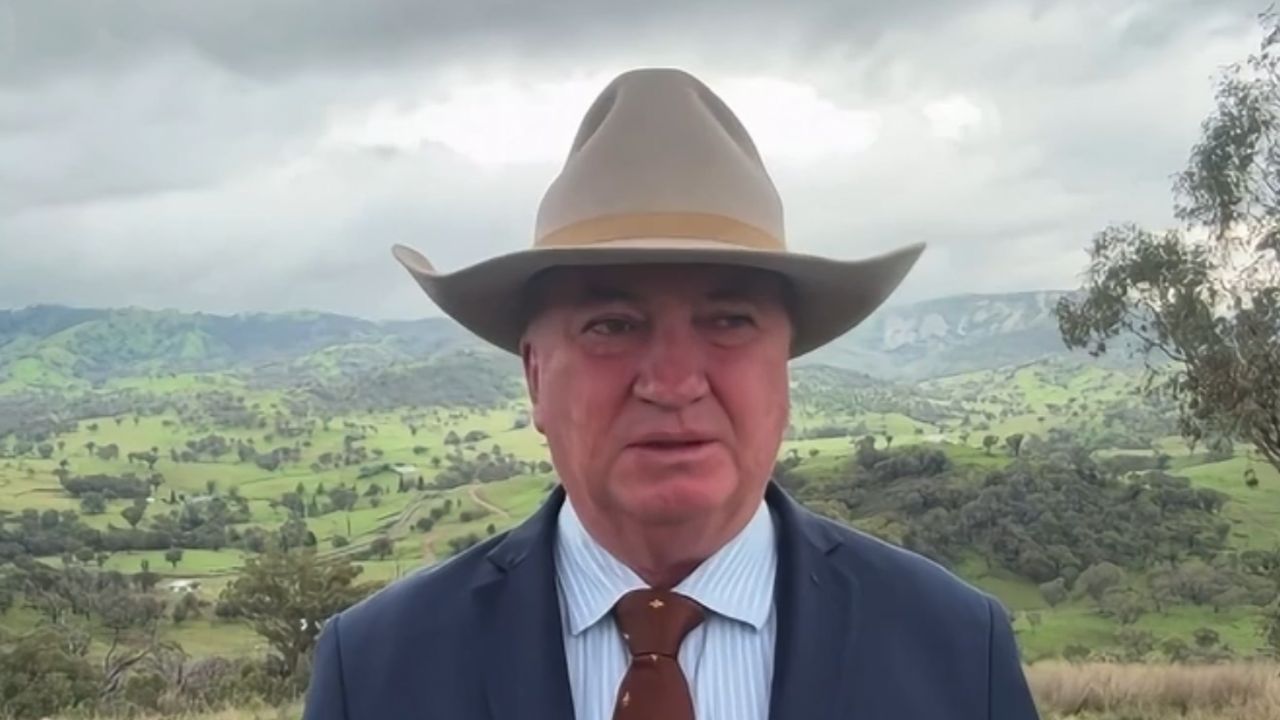
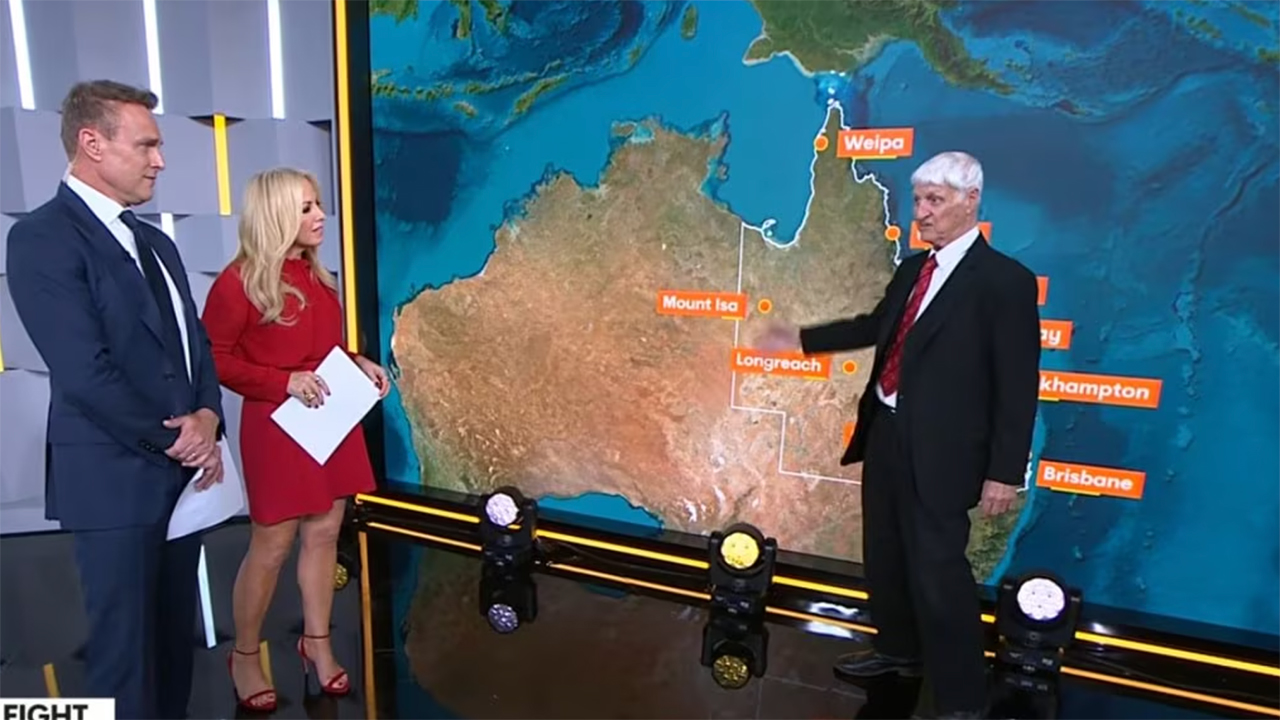
The outspoken federal MP appeared on Channel Seven’s Sunrise to map out his vision for a separate North Queensland, effectively drawing a line through the Sunshine State and declaring that everything above it deserves a government of its own.
And in true Katter fashion, he wasn’t short of reasons why.
The veteran politician suggested the new border would run roughly between Rockhampton on the coast and Longreach inland, separating the vast north from the more heavily populated southeast.
His argument is straightforward: North Queensland is a long way from Brisbane, produces enormous wealth through mining and agriculture, and is tired of having its future decided by politicians thousands of kilometres away.
Katter believes the region’s economic potential is being held back by government policies that favour the southeast, particularly when it comes to mining approvals, infrastructure and agricultural development.
He pointed to the enormous untapped potential of the Galilee Coal Basin, arguing that opening up mining operations, improving port access and making better use of seasonal rainfall could transform the north into an economic powerhouse.
And while the proposal might sound like something dreamed up over a particularly enthusiastic pub lunch, Katter has been campaigning for North Queensland independence for years.
Earlier this month, he raised the issue in federal parliament, asking Prime Minister Anthony Albanese to commission a report into the viability of a seventh state.
Albanese admitted the proposal wasn’t on his political bingo card and joked about the prospect of a Premier Katter.
The Prime Minister also raised a potentially devastating consequence for Queenslanders: what would happen to their beloved State of Origin rugby league team?
After all, splitting Queensland in two could mean splitting its considerable rugby league talent.
Katter, however, appeared confident that the north could assemble a formidable team of its own.
There is, of course, the small matter of actually creating a new state.
Under Section 124 of the Australian Constitution, forming a new state from part of an existing one requires the consent of the affected state’s parliament, along with federal parliamentary approval.
That means Queensland would have to agree to surrender a substantial chunk of its territory, something considerably more complicated than drawing a line on a television map.
Katter acknowledged the enormous difficulty of achieving his ambition, even suggesting that a devastating cyclone might be the sort of event that finally galvanised public support for greater northern independence.
As for whether he fancied becoming the inaugural premier of Australia’s seventh state, Katter dismissed the suggestion, indicating he was perfectly happy doing his current job.
The idea also has support from his son, Queensland MP Robbie Katter, who has previously pushed for North Queensland statehood in the Queensland Parliament.
Supporters argue that a separate government would give northern communities greater control over their resources, infrastructure and economic future.
Critics, meanwhile, would undoubtedly want answers about the costs of establishing an entirely new state government and whether independence would deliver the promised benefits.
For now, Queensland remains in one piece, Brisbane is still the capital and Australia still has six states.
But if Bob Katter has his way, the nation’s mapmakers might eventually have some work to do.
And the State of Origin selectors could have an even bigger headache.