Australians should “absolutely” be taking steps to get ready for emergencies, Australian Red Cross Director for Recovery and Resilience, Nichola Krey told Yahoo News Australia. “We encourage all Australians to be prepared for any disruption,” she said, urging people to understand the risks where they live and “be prepared for when they eventuate”.
The push for preparedness is gathering pace internationally. In the UK, purchases of tinned food, bottled water, wind-up radios and torches have jumped after government advice to “be ready” if a crisis hits. Last week, Prime Minister Andy Burnham called on residents to put aside three days’ worth of supplies as concerns grow about war, cyber-attacks and the climate crisis.
Other nations have been delivering similar messages. Sweden and Norway, for instance, have been telling households to have enough everyday essentials to last up to a week during major disruptions. Japan and Germany have also been encouraging people to plan for emergencies.
While Australia’s circumstances are different, Krey said there is a sharper exposure to natural hazards than in the UK. She pointed to the Australian Red Cross estimate that three in five Australians will face an emergency at some point in their lives, arguing that preparation matters because “Our country is in constant disruption from floods, fires, extreme heat events and cyclones,” she said.
Associate Professor Lucy Lunevich, a disaster management expert at RMIT, said the UK’s stance is worth paying attention to and believes Australia can take lessons from it. “We must be prepared for anything”, she said. She added that emergencies can overwhelm systems, especially when authorities cannot respond in the way people hope, such as during unpredictable flooding or bushfires.
Lunevich said community education must be ongoing because conditions shift quickly. “Part of emergency management is really about public education, and it should be ongoing. Social, political, and economic conditions are constantly changing,” she said. “We’re living in a time of compression of time. Whatever community leaders, government, or politicians could predict or plan for, say, 5, 10, or 20 years, is now happening overnight.” Even with what she described as a British emergency management system that is “very advanced”, she said responsibility still lands on individuals when the unexpected occurs.
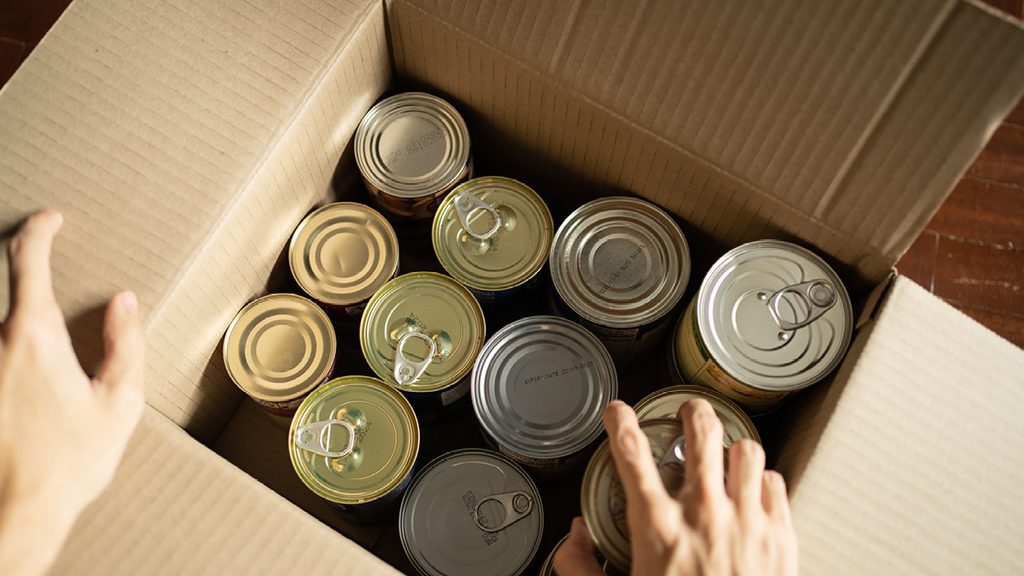
When it comes to what to store, Lunevich said Australians should aim for at least a month’s worth of food for an emergency, along with basics such as bottled water and other supplies, including tinned goods like baked beans. She warned that if supply chains are disrupted, homes need enough on hand to get by rather than depending entirely on government action.
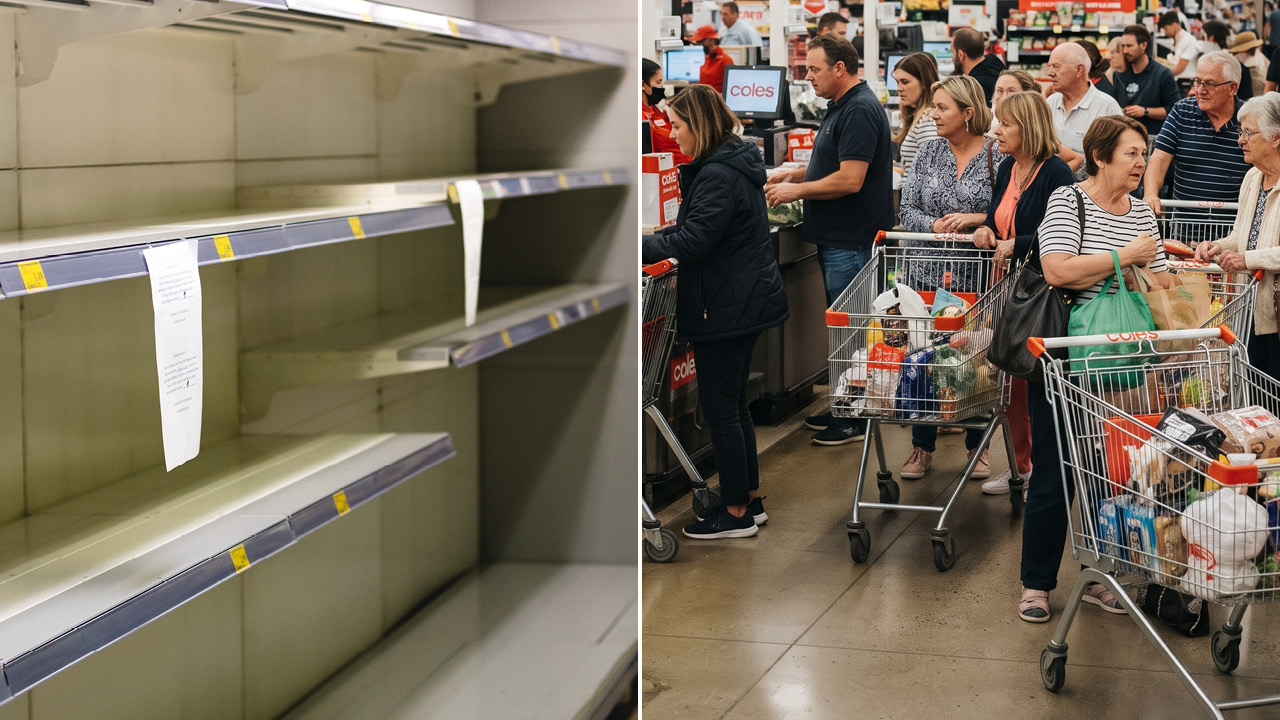
Krey also stressed that readiness is not the same as a shopping spree. She referenced what happened during the Covid pandemic when shelves were stripped, and said, “We are absolutely not encouraging Australians to run out and start stockpiling food. No panic buying, please,” she said. Instead, she recommended thinking long-term and building supplies gradually over time.
She said preparation extends well beyond food and water. “It means making sure you have your personal documentation and very precious things in one place that can easily be retrieved and taken,” Krey said. “It means making sure that your medication, your prescriptions, are filled and that you do have spares at the ready. “It’s also about making sure you’ve had that conversation with your children, about what to do in an emergency. And also, where would you go if you needed to evacuate”.