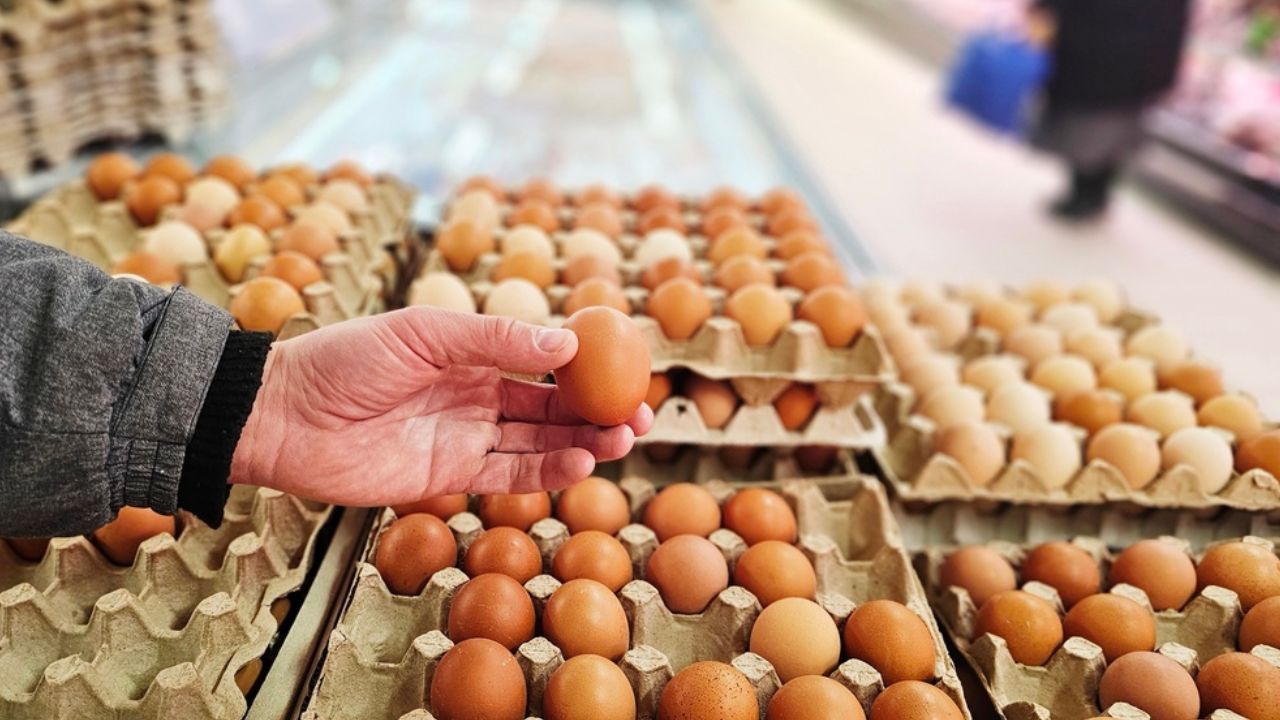
Free-range eggs could soon look a little different as Australia’s poultry industry responds to the growing threat of bird flu.
According to SBS News, there are currently 78 confirmed cases of H5 avian influenza in Australia, with 58 of those linked to a single mass mortality event at Baudin Rocks in South Australia.
While Australia’s egg farms have not yet been directly affected by the current H5 avian influenza outbreak, producers are taking extra precautions that could temporarily see free-range hens kept indoors to protect them from infection.
Australian Eggs managing director Rowan McMonnies told SBS News the sector is “facing up to a riskier operating environment for the foreseeable future”.
“Transmission between Australian wildlife indicates H5 avian influenza is established and is here to stay in the medium term,” he said.
He said that while eradicating the virus “seems unlikely”, the industry has spent years preparing for an outbreak of this kind.
“Strict biosecurity is being maintained with enhanced measures to deter wild birds and limit crossover into egg farms,” McMonnies said.
“The industry has also worked closely with authorities to improve response processes based on overseas learnings so that where farms are impacted, they can bounce back faster, limiting any impact on egg supply.”
Since 2018, the Australian Competition and Consumer Commission has required free-range hens to have genuine daytime access to the outdoors, with room to roam and forage, and stocking densities capped at 10,000 hens per hectare, and that the density is displayed on products.
But as of July, the ACCC confirmed it will not take enforcement action against producers that temporarily breach those free-range labelling rules for biosecurity reasons, according to SBS News.
That means farms can keep hens indoors to reduce the risk of bird flu while continuing to sell their eggs as free-range.
Microbiologist and food safety expert Associate Professor Julian Cox told SBS News that confining birds is currently the official advice.
“The advice is to confine birds to sheds,” he said.
He said the greatest risk comes when domestic poultry comes into contact with wild birds carrying the virus.
“Birds of free-ranging pick up the virus and interact, potentially spreading it to noncommercial species, or wild birds in the vicinity could bring it into commercial poultry that are free-ranging,” Cox said.
The advice also applies to people who keep backyard chickens.
“If you’ve got some kind of coop, lock them in the coop,” he said. “It’s for their own good.”
Image: Shutterstock