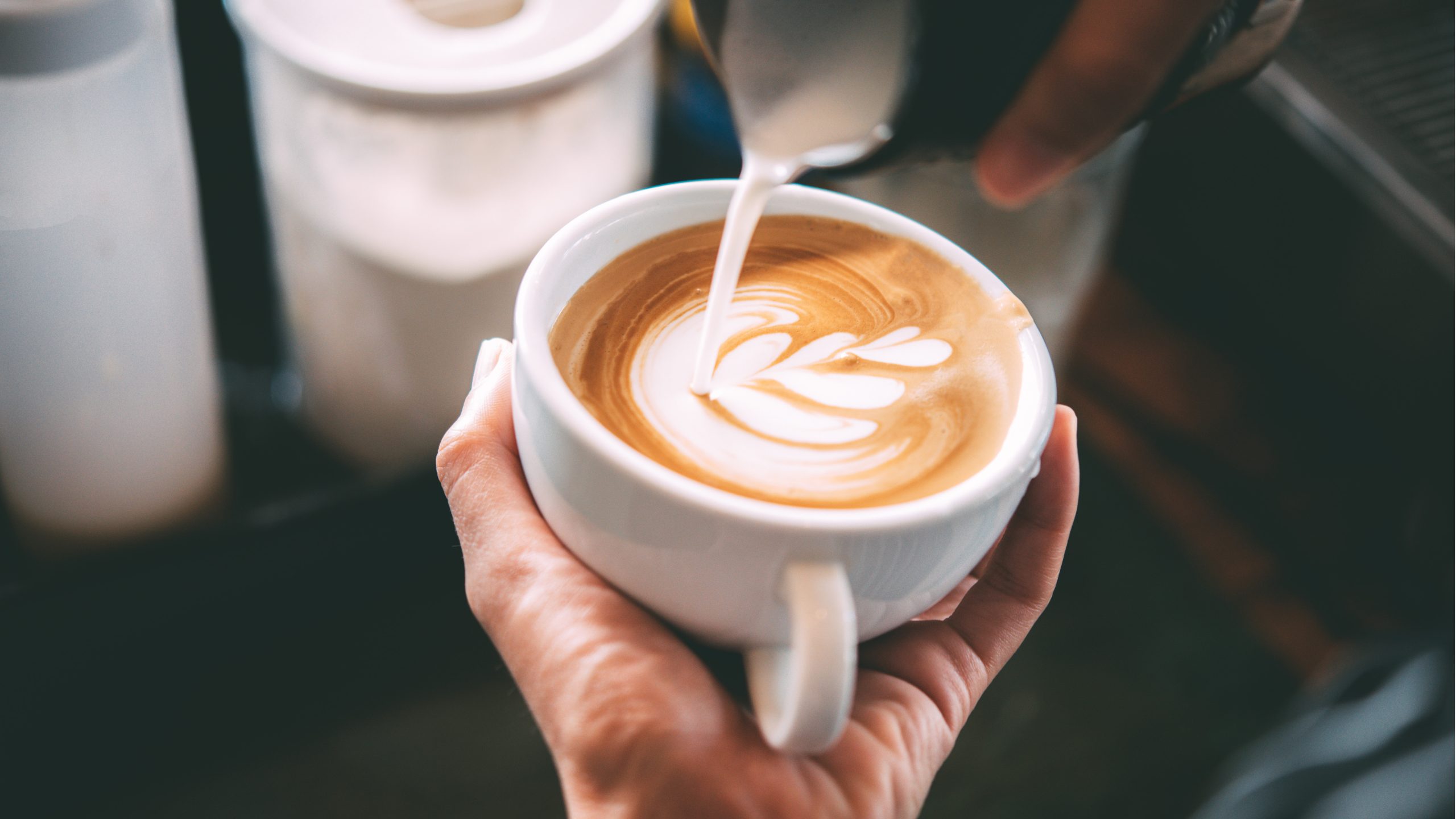
Tasmania has overtaken Sydney and Melbourne as the most expensive place in Australia to buy coffee, while café owners face falling visit numbers, changing customer habits and fresh pressure from an upcoming surcharge ban.
Tasmania is now the country’s dearest spot for a barista-made coffee, according to Hey You and Westpac DataX’s Daily Brew Report. The report found the average cup of barista coffee in the state costs $5.44, putting it 75c above the national average of $4.69.
That shift means Sydney and Melbourne no longer hold the title of Australia’s priciest coffee cities. At the other end of the scale, Victoria recorded the cheapest average coffee price in the nation at $4.61, after price growth there eased to 1.1 per cent.
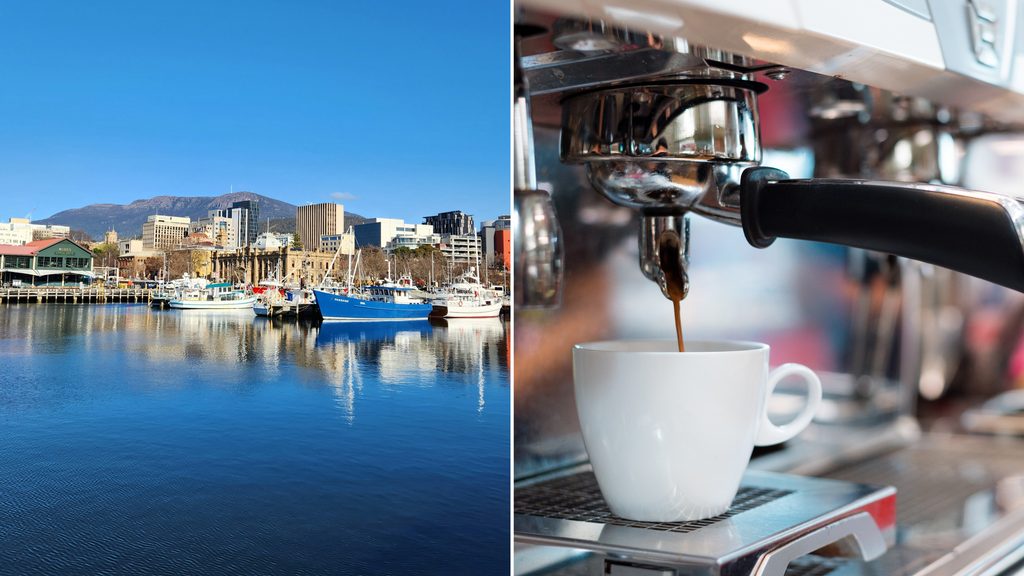
Across Australia, the average cost of a coffee rose 1.65 per cent over the past year, the slowest increase seen since 2020. Even so, prices have jumped as much as 37.5 per cent since 2020.
Queensland posted the sharpest increase in coffee prices, with a 7.8 per cent rise.
Even with cost of living pressures weighing on customers, the nation’s café sector remains strong, with an estimated annual value of $10.15 billion. Over the past 12 months, the industry slipped by just 1.4 per cent.
The downturn has been linked to reduced foot traffic, with fewer people going to cafés and regular customers cutting back on how often they visit. The report found 83 per cent of food operators around the country had seen visits decline over the past year, and half of them said they were worried about the future of their businesses.
Buying habits are shifting too. Customers are more often passing on upsizes, and orders for milk alternatives, which usually cost extra, have become less common.
Younger Australians are playing a major role in café traffic, with people aged 18 to 24 making up 36 per cent of visits nationwide. Matcha is especially popular in that group, with orders soaring 133 per cent year-on-year.
Another challenge is looming for operators ahead of the Reserve Bank’s credit card surcharge ban, which begins on October 1. Geoff, owner of Hester’s & June’s Shoppe in Sydney, said the change is likely to push coffee prices even higher.
“We understand why customers dislike surcharges,” he said.
“But with café operating on tight margins, many will simply need to include those costs in menu prices to keep serving great coffee, food, and experiences.”
Still, many operators are not planning an immediate pricing response. Two-thirds said they had no plans to alter prices because of the surcharge ban, instead treating it as another expense to absorb quietly. For many, avoiding yet another obvious increase matters more than recouping every dollar.