The older I get, the more I love polar expedition cruises. I’ve done more than I can count, for work and pleasure, and now well beyond 60 myself, I can confidently report that they improve with age.
That’s not to say the climate gets any kinder or the wildlife friendlier. They don’t. I’ve simply learned to manage the experience better as I get older.
My latest adventure was in August and September 2026, aboard HX Expeditions’ 26-day Northwest Passage – Across the Top of the World cruise, traversing the Canadian High Arctic’s Northwest Passage and the west coast of Greenland.
It was my most extensive Arctic expedition yet, and an amazing adventure because of my age, not despite it. Here’s why.
First, I’ve learned how to choose the right cruise, or more specifically, the right ship.
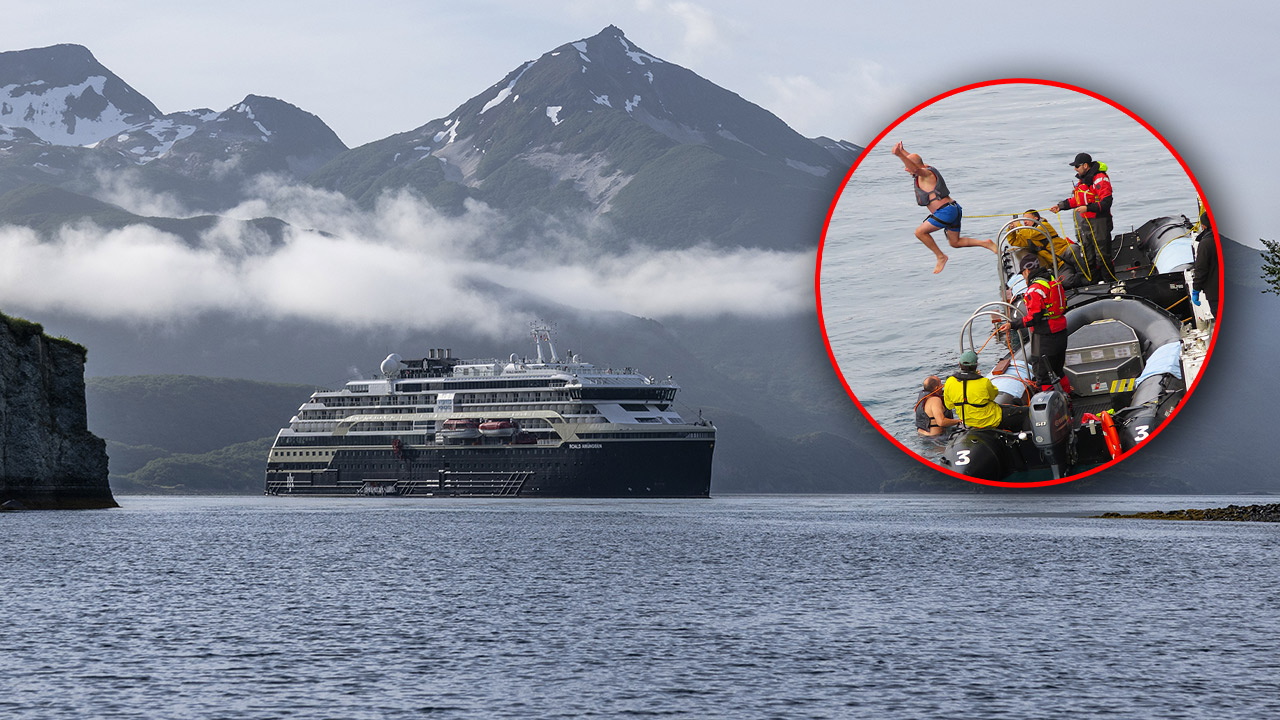
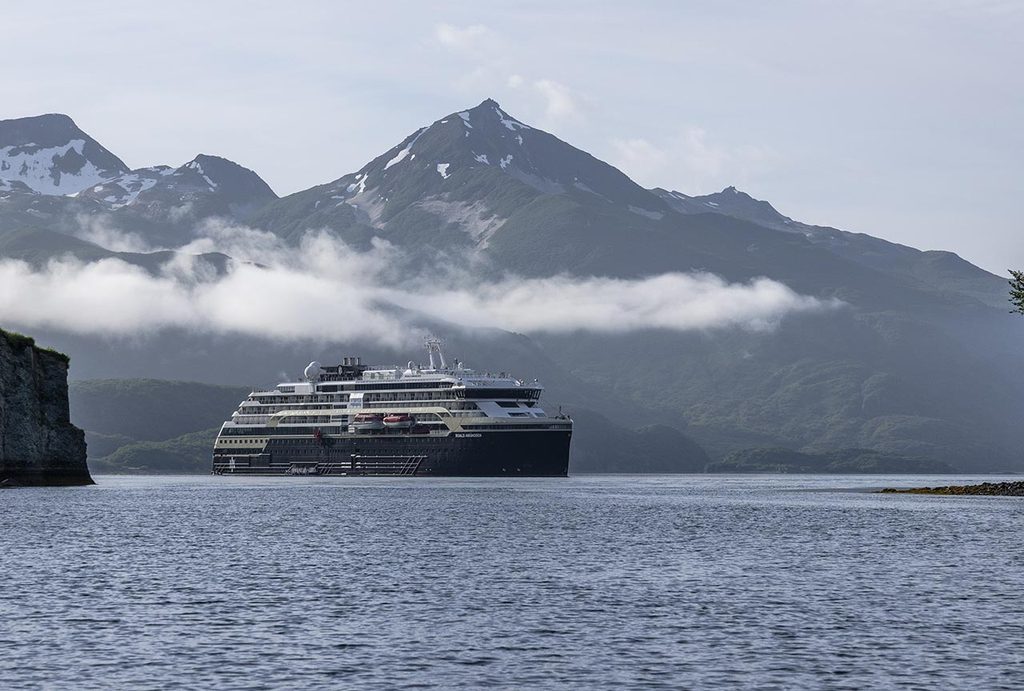
Admittedly, a little romanticism and a lot of coincidence were involved this time. August 2026 marked exactly 120 years since Norwegian explorer Roald Amundsen became the first to navigate the Northwest Passage from the Atlantic to the Pacific. And there I was, following in his wake aboard HX Expeditions’ flagship, the MS Roald Amundsen. It felt almost fated.
But the purpose-built polar expedition ship also made good sense. Its ice-strengthened hull, stabilisers and advanced positioning technology promised a safe, steady journey through polar seas, translating into comfort and confidence for this older traveller.
It’s also larger than many expedition ships, offering the amenities of a bigger vessel while still being able to venture into the Arctic’s more intimate places for wonderful Zodiac and kayak explorations.
Getting out into the wild
It’s these off-ship activities that some older or mobility-challenged passengers find daunting.
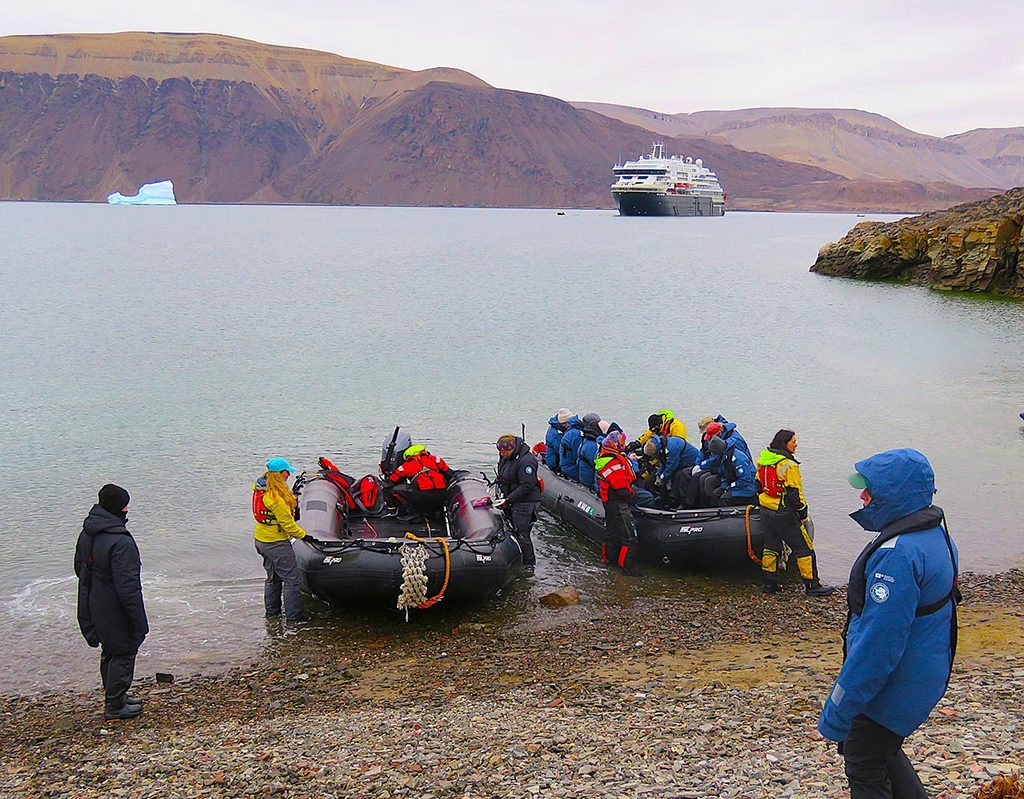
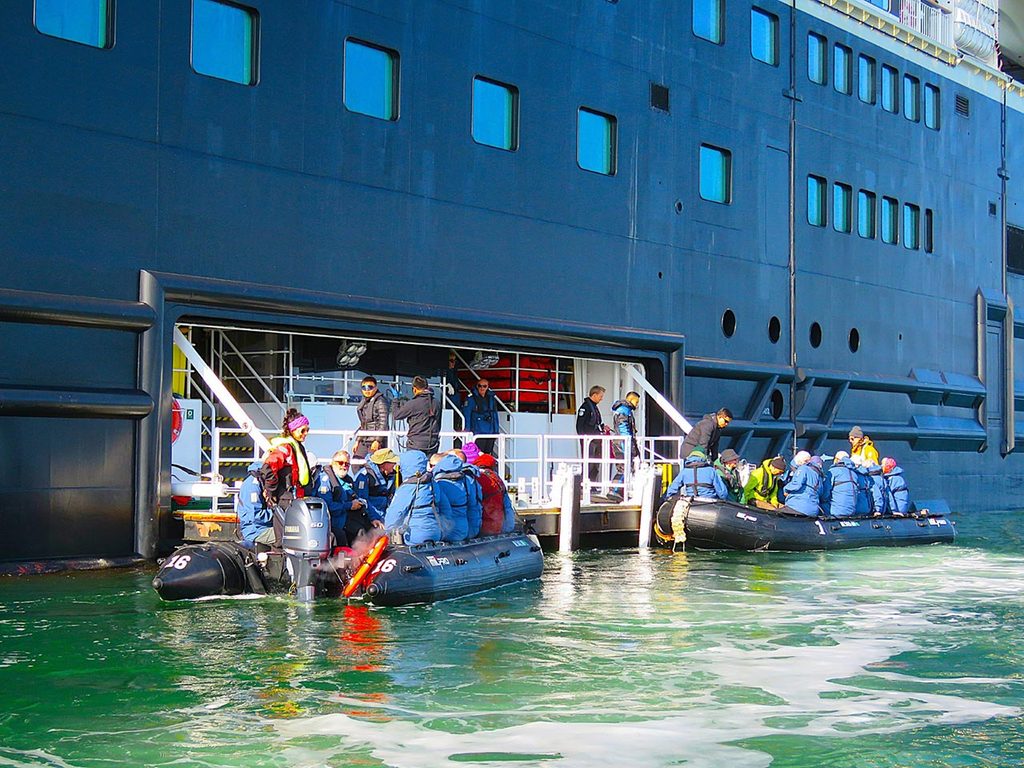
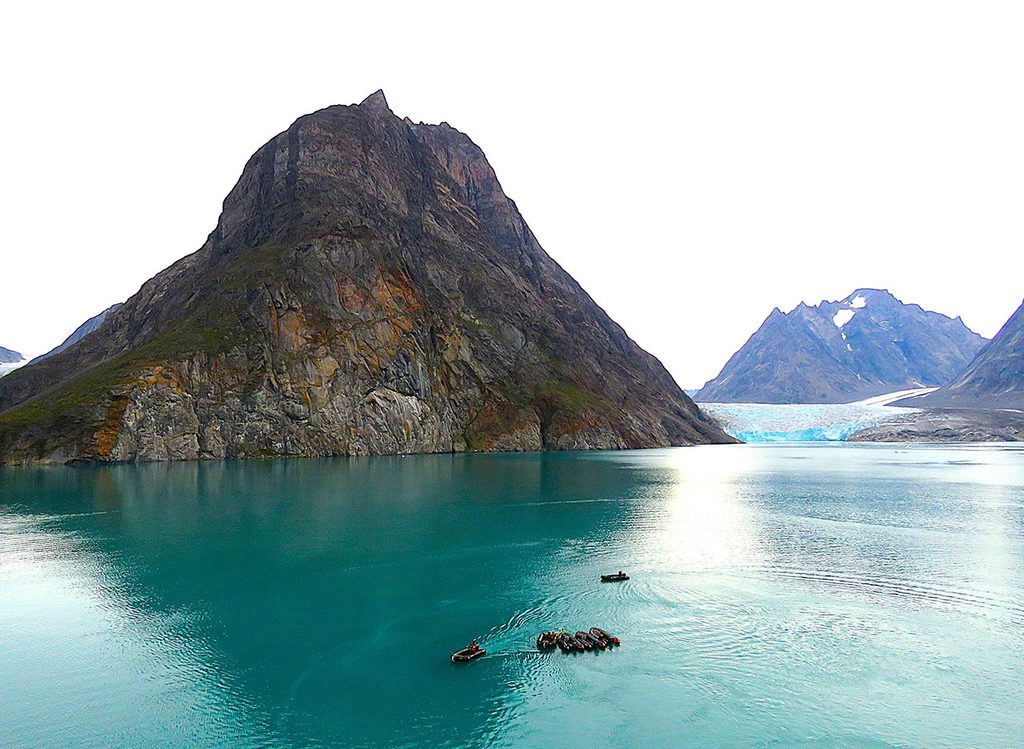
Polar expedition cruisers are encouraged to explore remote shorelines and cruise among the ice aboard inflatable Zodiacs, but some passengers hesitate or, sadder still, miss out altogether.
Yet getting into the wild is the very essence of an Arctic adventure. And the good news is that skilled crew members are there to help you safely on and off the boats.
The MS Roald Amundsen‘s dual-loading platform made this process particularly easy, while its experienced crew handled everything with reassuring efficiency. Even passengers with significant mobility challenges were able to participate.
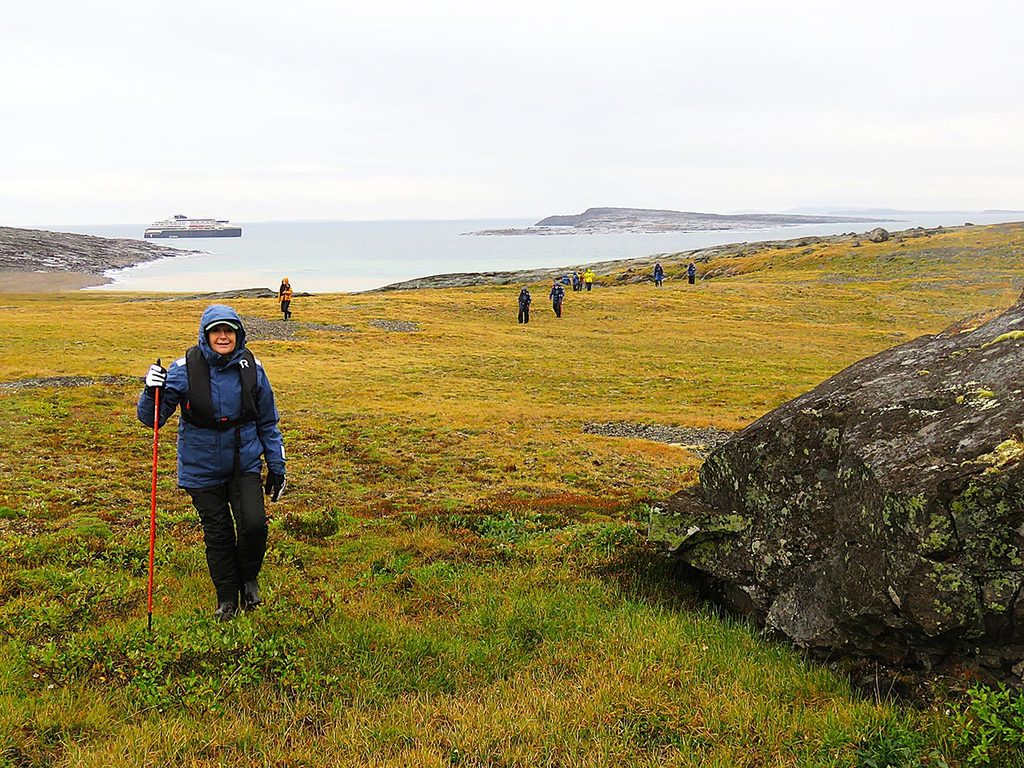
A pre-cruise flexibility and balance program can help, and I also work on my stamina for walks ashore. Of course, it’s wise to consult your doctor if you have any concerns, particularly if you’re considering more adventurous activities such as the polar plunge into Arctic waters.
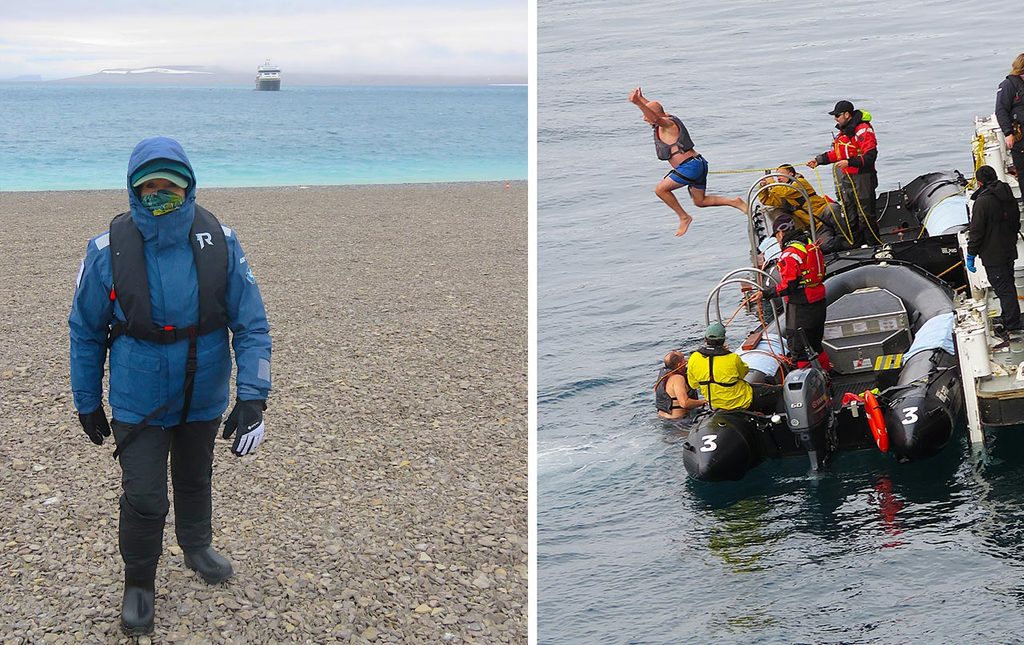
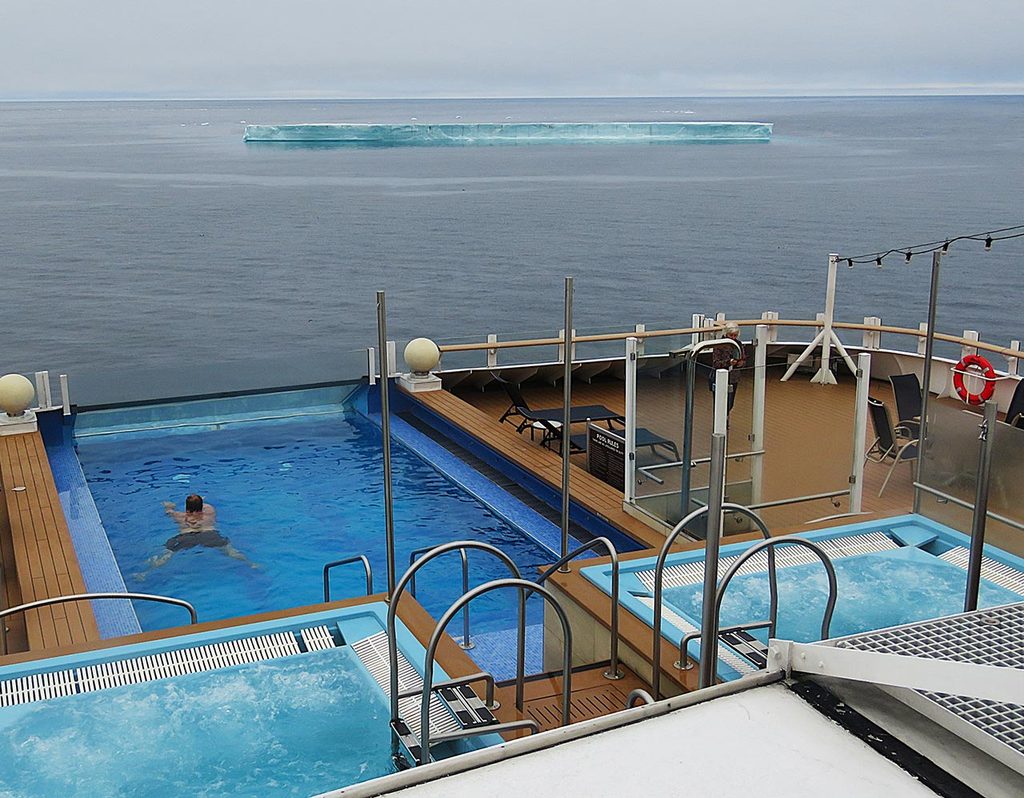
Good on you if you are! Personally, this water baby preferred a dip in the ship’s heated infinity pool and hot tubs.
I also make sure my ship has an onboard doctor and medical centre, and that my travel insurance covers evacuation from remote destinations.
Combined with reasonable fitness and agility, these precautions give me the confidence to enjoy the activities that appeal to me.
Quality operators such as HX Expeditions offer excursions catering to different activity levels, with expedition staff and naturalists on hand to assist.
They’re also there for onboard activities, including the scientist-led citizen science program from which I learned so much on this voyage. In fact, I’d love to see something similar on every future polar expedition.
Know your limits
Life aboard an Arctic expedition ship can be surprisingly busy, with early starts, late evenings and a packed schedule of activities.
That can exhaust even an enthusiastic adventurer, so I’ve learned that managing my energy is essential if I want to go the distance and keep having fun.
I’ll often skip late-evening activities in favour of sleep, or watch presentations on my cabin television instead. I also rest during the day whenever possible. A good old-fashioned nana nap generally works wonders.
Staying hydrated is equally important. Cold environments can suppress thirst, particularly in older people, so I make a point of drinking water regularly, especially after physical activity.
And perhaps most importantly, I’ve learned to listen.
Experience has taught me that the ends of the Earth are not to be messed with. Attending safety briefings and following the advice of trained expedition staff is crucial, especially when boarding Zodiacs or venturing into areas inhabited by potentially dangerous wildlife.
Preparation pays off
For me, the adventure begins well before leaving home.
Reading about my destination beforehand gives me a greater appreciation of its history, wildlife, landscapes and cultures. It also helps me understand the terrain and weather conditions, making packing considerably easier.
And believe me, the older I get, the more I feel the cold!
Layered clothing is essential in the Arctic’s chilly, changeable weather. I pack moisture-wicking base layers, insulating mid-layers, warm hats, socks and gloves, and polarised sunglasses.
Fortunately, there was no need to bring walking poles, a high-quality waterproof jacket or muck boots on this voyage, as the ship provided them.
But being properly prepared also means understanding some of the more confronting aspects of polar travel.
As often happens on Arctic expeditions, this journey brought me face to face with the worrying effects of climate and societal change on this extraordinary part of the world.
Rather than letting those concerns diminish the experience, I use them to guide my travel choices.
I look for cruise companies with strong sustainability policies and ships equipped with modern technology to minimise fuel consumption, carbon emissions and noise pollution.
I also investigate onboard waste management, wildlife-viewing protocols and contributions to Indigenous communities and scientific research.
If that information isn’t readily available on a company’s website, I generally look elsewhere. Operators committed to responsible travel tend to be proud to explain what they’re doing.
Age is an advantage
These are personal preferences, of course, but that’s one of the wonderful things about being an older expedition cruiser.
I’ve had the time, experience and opportunity to work out what matters most to me.
I know my limits, understand my priorities and have learned how to get the greatest enjoyment from each adventure.
And that’s why I believe age can be an asset rather than a barrier to travel.
Even when you’re heading into extreme environments like the Arctic.
In fact, especially then.
For more information about HX Expeditions’ Northwest Passage and Arctic cruises, visit travelhx.com.