Right now sits a genuinely useful gap on the cruising calendar. Winter’s crowded island sailings have wound down, spring’s school-holiday rush hasn’t started pushing fares up yet, and the ships heading out from Sydney and Brisbane still have cabins worth choosing from. For an Australian cruiser wanting warm water without a long-haul flight first, September is the month to lock something in.
The appeal is simple. These are homeport departures, meaning the cruise starts the moment you board in Sydney or Brisbane rather than after a flight to somewhere else. From there it’s a run through the South Pacific staples – New Caledonia, Vanuatu and Fiji feature repeatedly across itineraries from both ports, with calls at Noumea, Lifou, Mystery Island and Port Vila the pattern most travellers will recognise.
Why the window closes fast
Cabin availability on these sailings narrows as spring and the school-holiday weeks approach, even though there’s no hard booking deadline attached to any of the fares currently on offer. Royal Caribbean’s 2026 pricing, advertised as a limited last-chance offer from $388 per person twin share, is one signal that cruise lines are already discounting early-release fares ahead of next year’s season. That $388 figure is tied to an entry-level short sailing rather than a full South Pacific itinerary, so it pays to check exactly what you’re being quoted before treating it as the going rate for an island run.
Celebrity’s numbers give a clearer picture of what a proper South Pacific or near-Pacific holiday actually costs. The 10-night Australia Wine & Tasmania sailing on Celebrity Solstice, departing Sydney on 31 October 2026, starts from around $2,610 per person twin share with taxes and fees included in that figure. For a longer stretch, the 18-night Treasures of Tahiti & Fiji sailing on the same ship starts from around $2,430 per person twin share, taxes and fees included, departing Honolulu on 29 September 2026.
What the headline fare leaves out
Neither of those fares covers gratuities – the daily service charge added to your onboard account – nor drinks packages, wifi or shore excursions, all charged separately once you’re aboard on every major line sailing this region. Budget for those extras before comparing sailings on price alone, since a cheaper headline fare with a pricier drinks package can end up costing more than it first looks. Single supplements also apply on most Pacific sailings and are worth confirming at the time of quote, since none of the fares above spell out the solo rate.
Worth noting too: that Tahiti and Fiji itinerary departs from Honolulu, not from Australia. Getting to the ship means an international flight to the United States before the cruise even starts, which changes the arithmetic and the appeal for anyone chasing a no-fly holiday. The direct Sydney and Brisbane sailings to New Caledonia, Vanuatu and Fiji remain the simpler option if avoiding extra flights is the whole point.
Picking a ship and a cabin
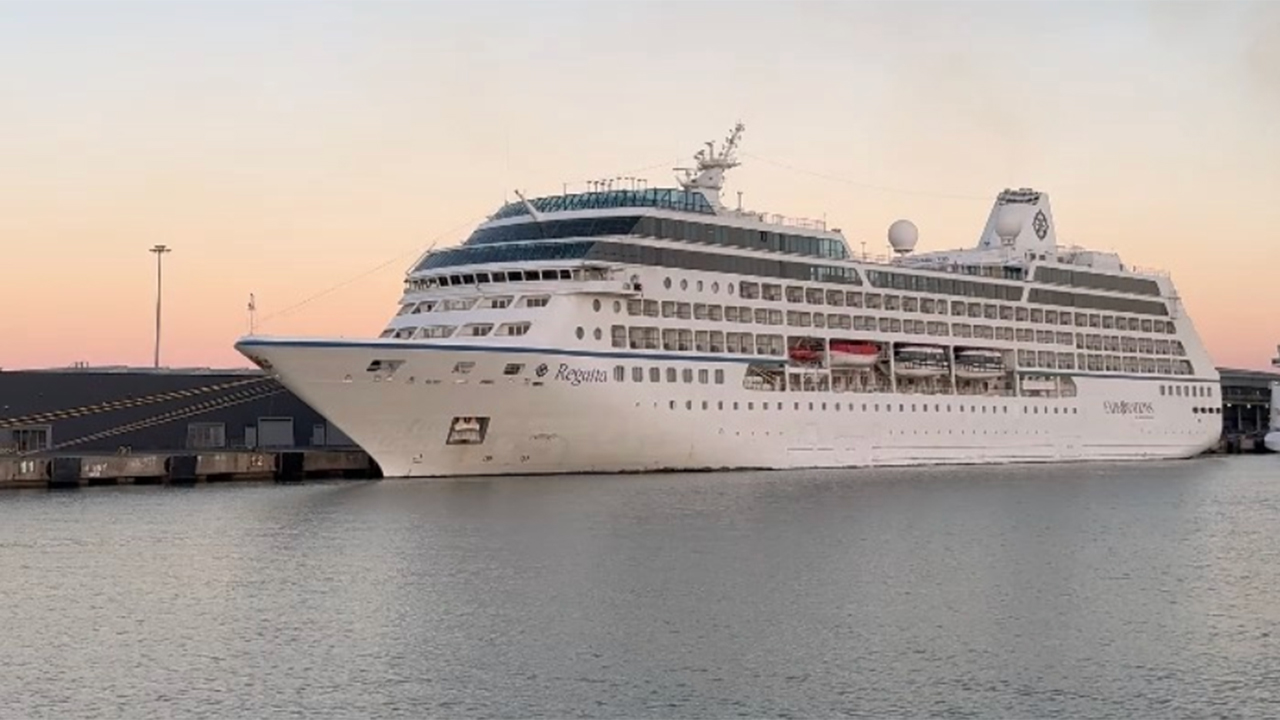
Carnival, Princess, Celebrity, Royal Caribbean and Oceania all sail the South Pacific from Australian ports, with Cunard also listed among lines departing Sydney. On Solstice-class ships such as Celebrity Solstice, midship cabins are the pick for the smoothest ride and the shortest walk to the lifts, which run to every deck. New Zealand is heavily promoted from Sydney across the same spring-into-summer window, and it’s worth weighing as the cooler-climate alternative if tropical heat isn’t the drawcard for you.
Sea days, tender ports and the pace onboard
These direct South Pacific itineraries lean on sea days between island stops rather than a port every day, which suits anyone happy using the pools, dining venues and onboard programs rather than racing ashore each morning. It’s a slower pace by design – call it easygoing rather than packed – and it won’t suit a traveller who wants land under their feet daily.
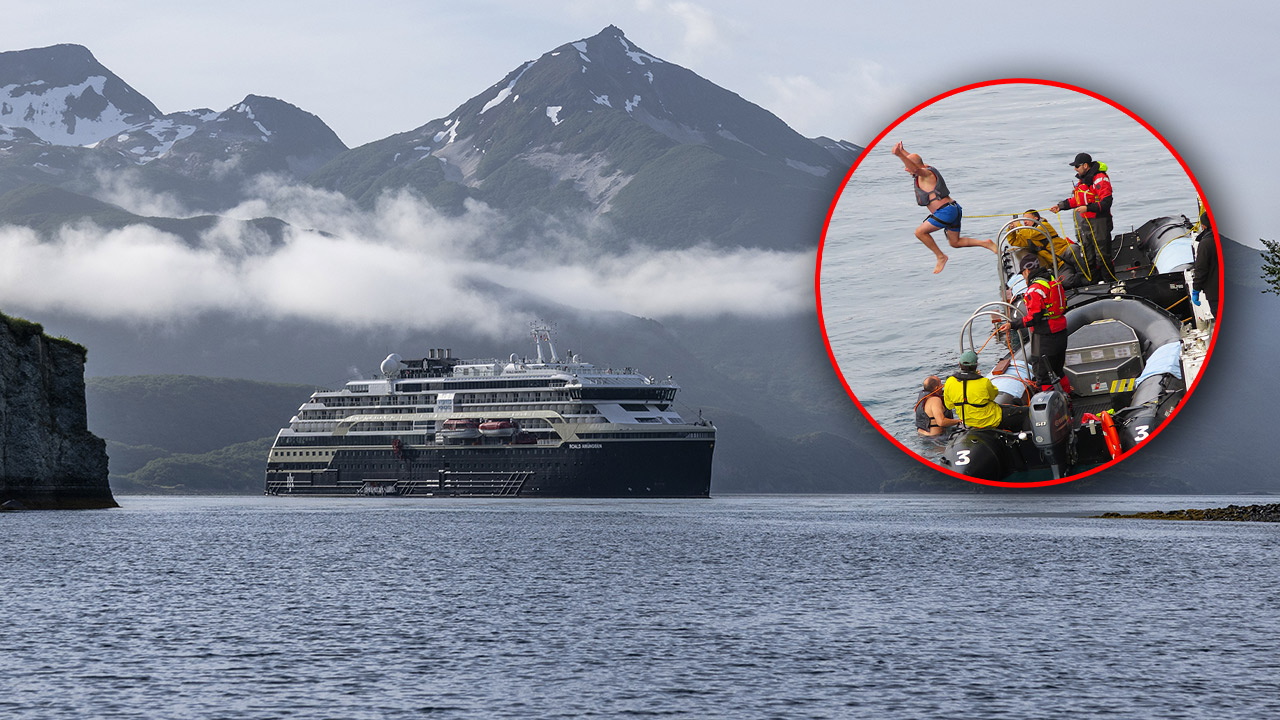
Smaller islands including Mystery Island and Lifou are tender ports rather than dockside berths, meaning passengers are ferried ashore by small boat rather than walking straight off via a gangway. That adds time to going ashore and makes the stop weather-dependent, so build some flexibility into any shore plans at these calls. Larger ports handle passengers dockside, which is the smoother option if a straightforward step ashore matters to you.
Before you book
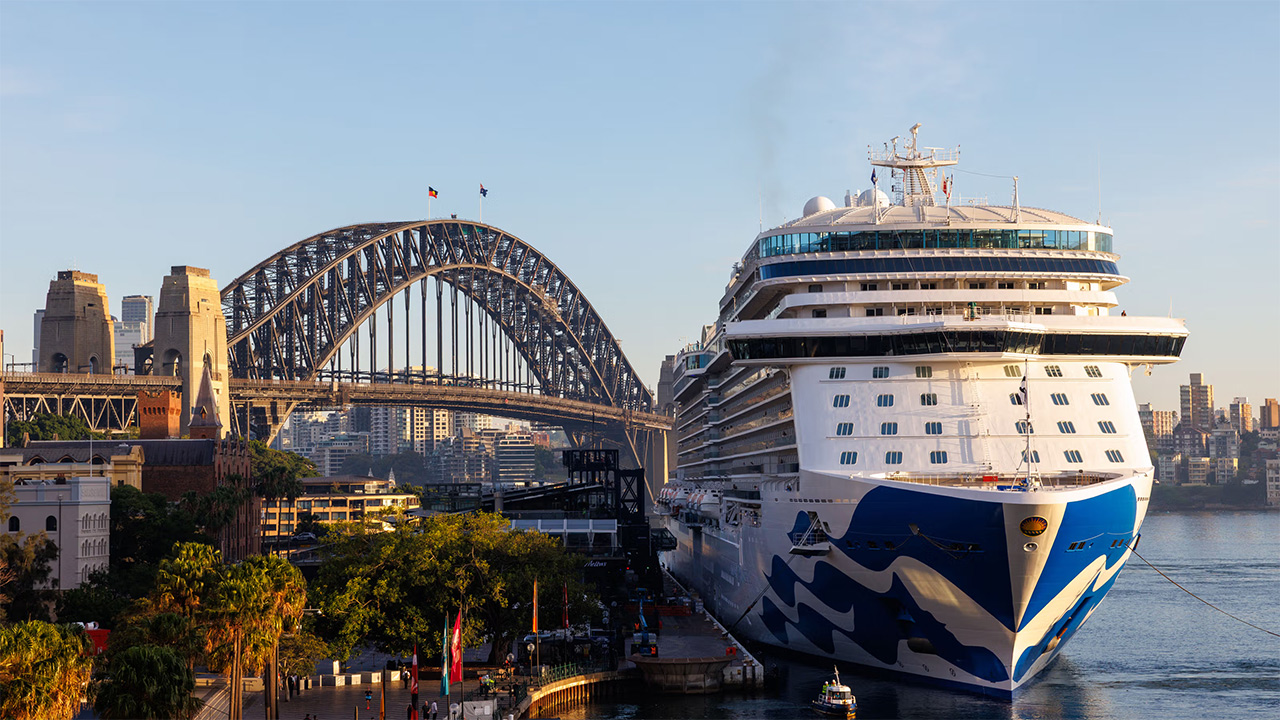
Confirm your Sydney departure point against your booking, since the city runs two separate cruise terminals at Circular Quay and White Bay. Travel insurance covering cruise cancellation, medical treatment and tender-related delays is worth having given the reliance on tender access at several of these ports, and it’s worth asking your insurer directly whether cover extends to weather-driven itinerary changes, since that detail wasn’t specified in the fares sighted. Confirm sailing dates, deposit terms and the single supplement with your travel agent or the cruise line before you commit, since fares move and cabin categories fill as spring bookings pick up.
Cruise Critic describes the South Pacific’s pull plainly, as a region that draws Aussies needing a winter break alongside couples chasing tropical romance further afield in Tahiti and Hawaii. For most Sydney and Brisbane cruisers, though, the real drawcard isn’t Tahiti at all. It’s the flight you don’t have to catch, the ship you can walk onto from home, and ten quiet days of warm water before spring even notices you’ve gone.