For anyone who has ever been told to give up jogging to protect their knees, there is a welcome correction on the way. New research suggests the real threat to knee health is not pounding the pavement but spending too many hours sitting still.
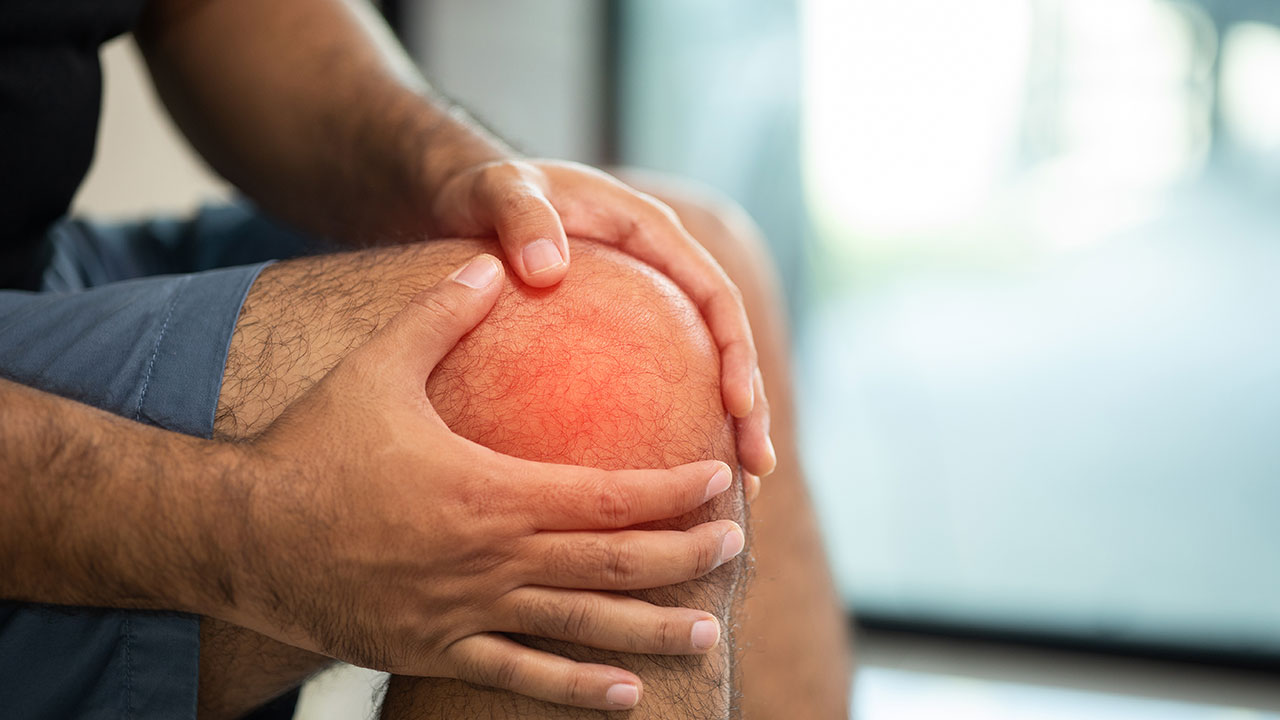
The knee is a hinge joint, moving back and forth in a single plane while carrying the full weight of the body. It is the joint behind almost everything we want to keep doing as we get older: walking the dog, taking the stairs, playing with grandchildren, climbing out of the car, or simply standing up easily after a long sit. Keep the knees working well, and daily life stays easy.
Yet few joints attract more myths. Jean-Francois Esculier, a physical therapist and clinical associate professor of medicine at the University of British Columbia who studies sports injuries, said people tend to arrive with firm views on what keeps knees sound, whether those views are accurate or not.
In a 2022 study of 2,514 adults led by Esculier, more than half said they believed distance running raises the risk of knee arthritis, according to The Australian Financial Review. It is a belief that has sent generations of runners to the sidelines out of caution.
But the evidence tells a different story. Regular runners are generally not at greater risk of arthritis than people who do not run, and movement itself appears to keep the joint in better condition over time. The knee, it turns out, responds well to steady use rather than rest.
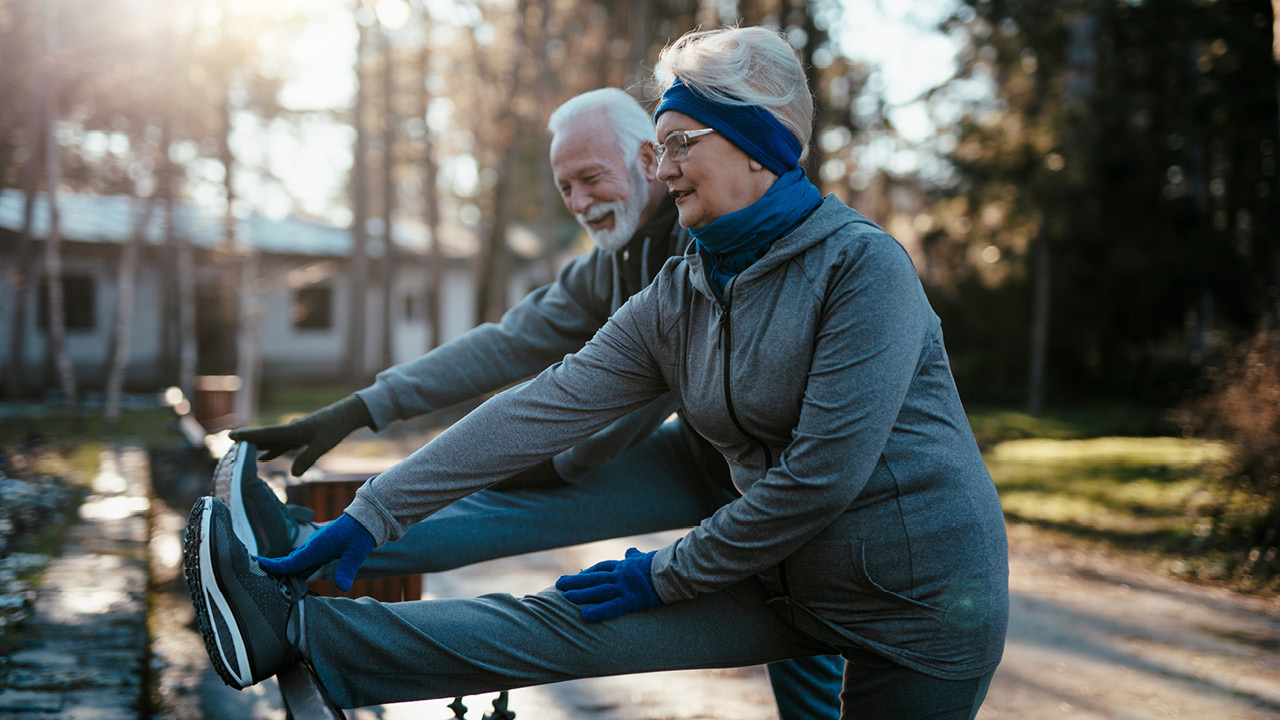
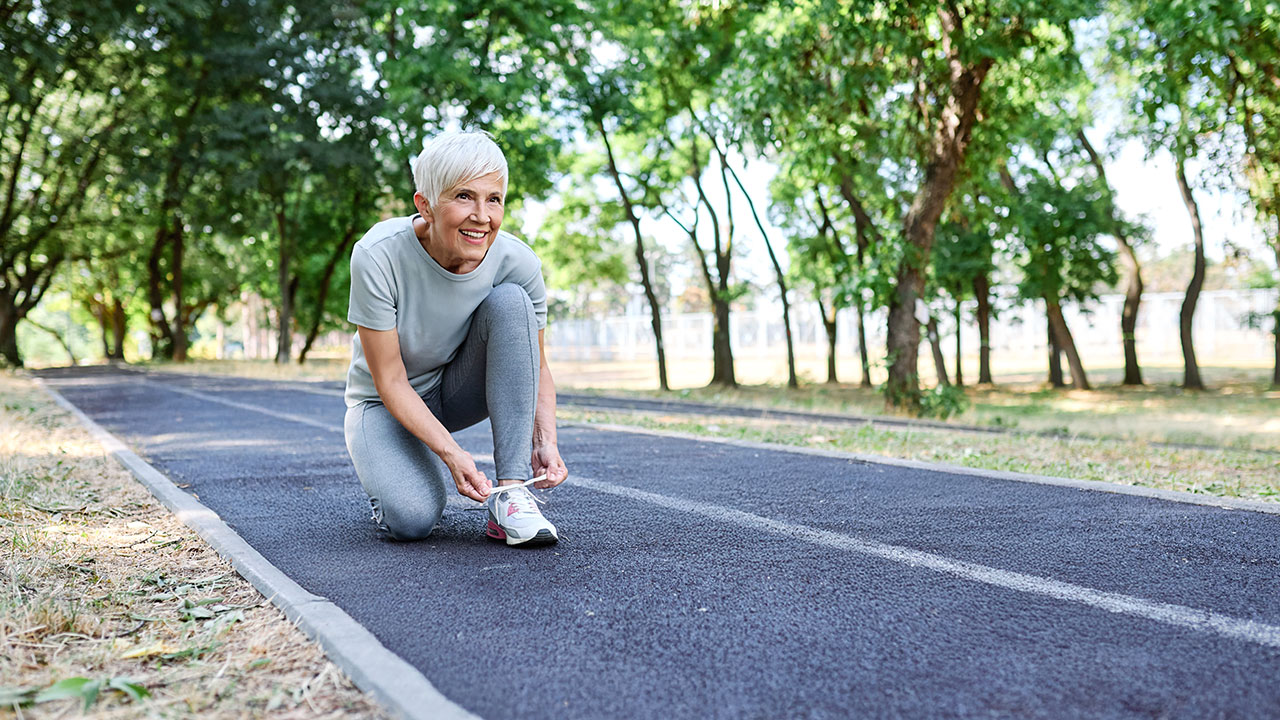
That is genuinely good news for anyone in their 60s, 70s or beyond who still laces up for a walk or a jog and wonders whether they are doing their knees a favour or a disservice. The advice emerging from this research is straightforward: it is prolonged inactivity, not sensible running or walking, that leaves knees worse off.
So the next time someone suggests slowing down to spare the knees, the better move might be to keep moving.