Thinking about trading the family car for something electric, or a hybrid, or just sticking with petrol because it has always done the job? New Australian ownership figures suggest the decision matters less than the brochures would have you believe. Crunch the real five-year numbers on a small petrol car, a small electric vehicle (EV) and a small hybrid, and they land within a few hundred dollars of each other.
The NRMA’s Open Road team costed small petrol cars at an average $35,527 to own over five years and 55,500km, small EVs at $35,569, and small hybrids at $36,174. That is a spread of just $647 across three drivetrains that are supposed to feel worlds apart.
Where the real gap sits
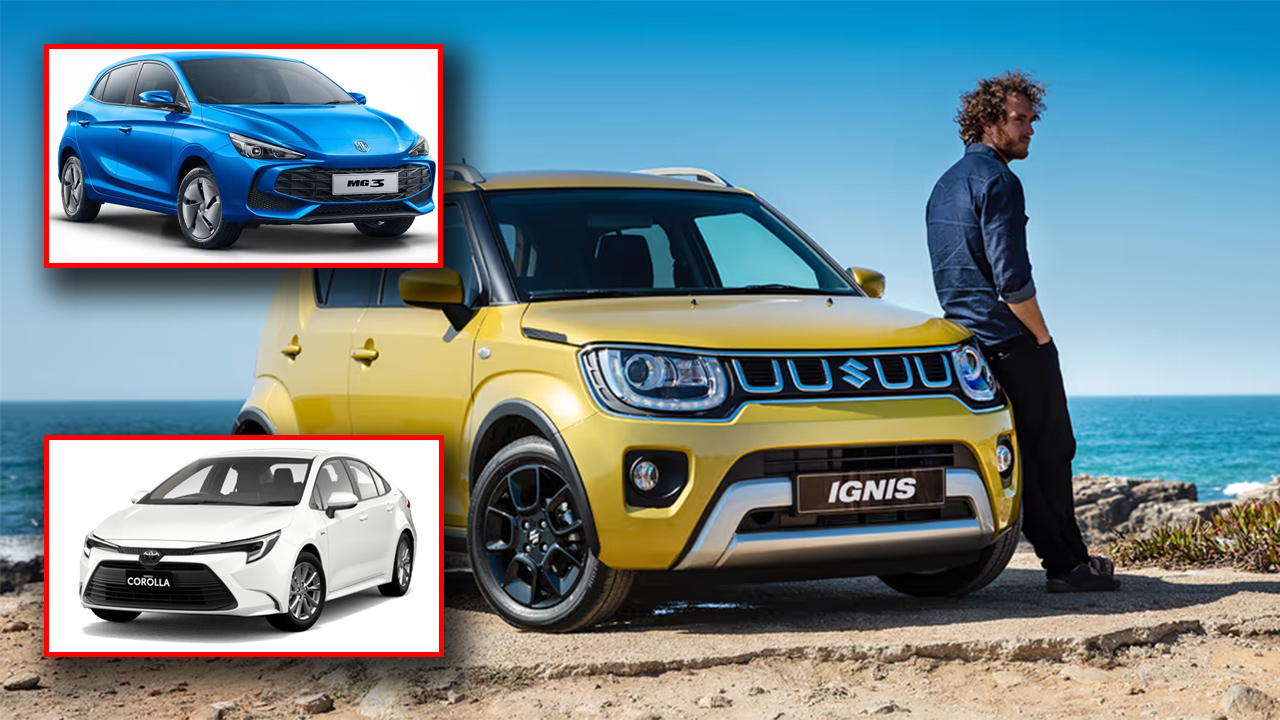
At the cheapest end of the market the numbers get closer still. The petrol MG3 Vibe came out as the lowest five-year cost of any car in the NRMA’s assessed set, at $29,951. The electric BYD Atto 1 Essential followed close behind at $30,616, a gap of $665. “The near tie between the MG3 and Atto 1 is not an isolated result,” the NRMA’s Open Road team said.
The pattern repeats in small SUVs. The petrol Suzuki Ignis costs $34,068 to own over five years, the petrol Mahindra XUV 3XO $34,324, with an electric rival from GWM running close behind both. These figures count depreciation, fuel or electricity, insurance, registration, compulsory third party (CTP) insurance, scheduled servicing and replacement tyres, not just the drive-away price, which is exactly why the upfront gap between drivetrains shrinks once the real costs of keeping a car on the road are added in.
The kilometre number that actually decides it
If the headline totals are close, the question becomes what pattern of driving flips the advantage from one drivetrain to another. One worked comparison of a Toyota Corolla against a Toyota Corolla Hybrid found the hybrid only pulls ahead of petrol once annual distance passes roughly 23,000 kilometres a year. Below that, the hybrid’s purchase premium simply is not repaid by fuel savings.
Electric vehicles need an even bigger annual distance to beat a hybrid on running cost, and only with home charging. The same comparison put that threshold at roughly 66,700 kilometres a year, well beyond what most households rack up. Charge only at public fast chargers, and the tariffs can cost more per kilometre than simply filling a petrol car, which quietly undoes the entire case for going electric.
What each option is really like to live with
Petrol remains the cheapest car to buy in the small-car segment, with no battery premium and the widest service-network coverage around the country, but it carries the highest fuel spend per kilometre of the three. For anyone who keeps annual kilometres modest and values simplicity at service time, that trade-off still makes sense.
Hybrids ask buyers to pay more upfront in exchange for meaningfully lower fuel use in stop-start driving, school pickups and short shopping trips, the kind of driving that fills most of October’s school-holiday traffic. On long highway runs, though, that advantage over petrol narrows considerably, which matters if the car spends more time on the open road than around town.
Electric vehicles carry the highest list price in most segments before on-road costs, but the lowest running cost per kilometre when charged at home off-peak. A separate Australian family-budget comparison of a Mazda CX-5 petrol, a Toyota RAV4 Hybrid and a Tesla Model Y found the EV’s five-year advantage depended heavily on home solar and novated lease or fringe benefits tax treatment; strip those out and the hybrid and EV outcomes sit much closer together. Depreciation is the other live risk – one widely cited overseas example put an electric Chevrolet Bolt “$10,314.32 behind the gas car before a single mile is driven” once depreciation was counted, a reminder that running-cost savings have to climb out of a hole first.
October is the honest test
Heavy day-trip and school-holiday traffic this month is a better test of a car’s true running cost than any brochure figure, because servicing intervals, range anxiety and fuel-stop habits all show up in real conditions rather than on paper. One owner who drove roughly 95km a day switched from a hybrid to a plug-in hybrid (PHEV) and found the sums worked out well beyond expectations: “I averaged 150 mpg for the two years I owned it,” they said, adding “I get gas about once a month.” The lesson was not that plug-in hybrids win outright, but that daily distance and charging access decided the outcome for that household, not the label on the badge.
Before signing anything, it is worth checking the detail that does not show up in a cost table: confirm drive-away pricing and any runout-period offer with the dealer, check warranty years and kilometres, capped-price servicing terms and outstanding recalls against the manufacturer’s current published terms, and get an insurance quote for your own postcode and model rather than assuming one drivetrain is automatically cheaper to cover. Australian Consumer Law guarantees apply no matter which of the three you choose.
Our verdict, after running the numbers, is that there is no wrong drivetrain here, only a wrong match. Pull your last 12 months of odometer readings before you decide anything else: under roughly 23,000km a year, petrol still does the job for less fuss; push past that with home charging in place, and a hybrid or an EV starts paying its own way. The car that feels modern is not necessarily the car that saves money – the one that matches how you actually drive is.