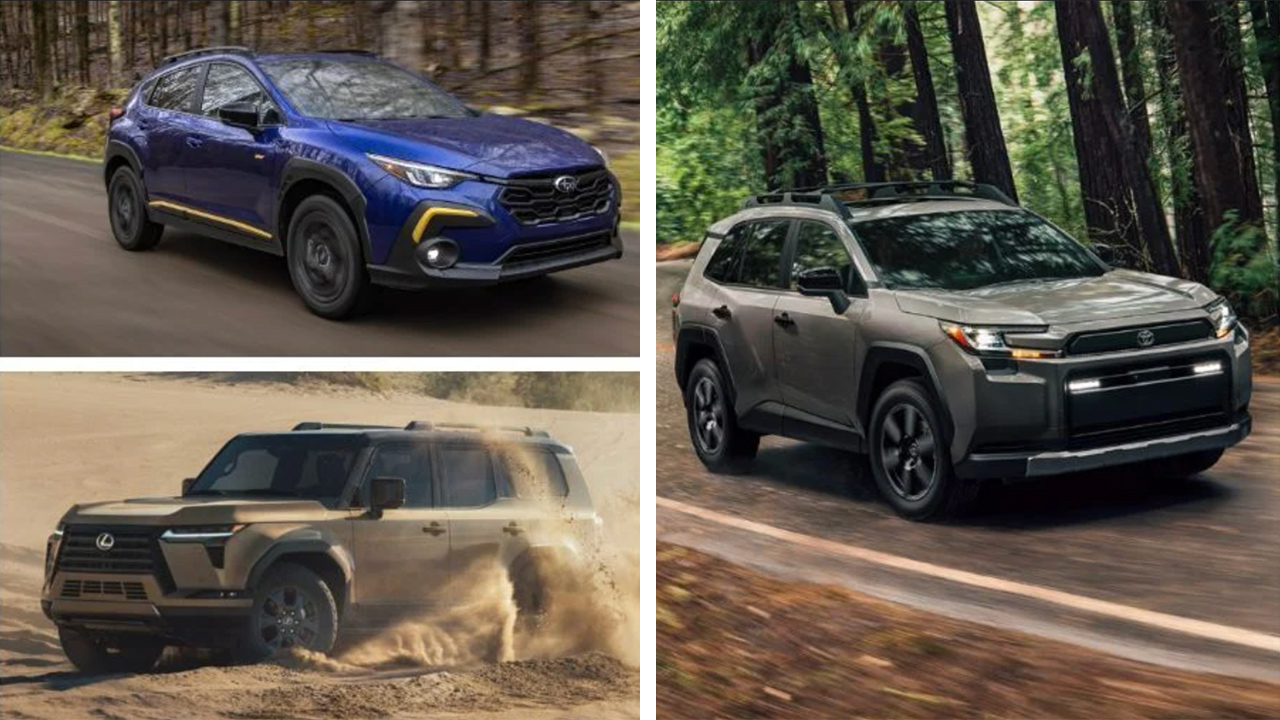
Reliability isn’t a promise stamped onto a badge, it’s a pattern, and every pattern has exceptions. That’s the plain truth sitting underneath the reliability rankings doing the rounds ahead of spring, when showrooms fill with outgoing stock and long weekends fill the roads. The brand narrows the odds. It doesn’t decide them. The specific variant, the drivetrain fitted to it and whatever happened to the car before you bought it still do most of the talking.
For anyone weighing up a spring buy or simply wondering whether the family car will see out another decade, that distinction matters more than any single ranking. Reliability rarely shows up on the drive-away price. It shows up years later, in the repair bills that start once the factory warranty ends, or in the resale price a car quietly earns because its reputation already preceded it.
The badge that keeps its reputation
Toyota sits at the top of Consumer Reports’ 2026 reliability ranking, with Subaru and Lexus close behind it, keeping the Japanese-engineering reputation intact for another year. The gap isn’t small either. Consumer Reports found Asian brands averaging around 56 out of 100 for reliability against roughly 41 out of 100 for US brands, a spread wide enough to shape total ownership cost rather than just bragging rights at the barbecue.
Australian buyers researching the same question online tend to land in the same territory. The r/CarsAustralia community consistently points newcomers toward Toyota, Honda, Mazda, Nissan, Mitsubishi, Hyundai and Kia as the safer mainstream picks, though always with the caveat that specific models within a range can behave differently. Subaru’s placing owes plenty to its symmetrical all-wheel-drive system and generally durable engineering, while Honda’s reputation rests on the combination of long-term durability and strong fuel economy that keeps it inside most top-ten lists.
As one Australian guide to buying used puts it plainly, buying a used car is “a bit of a gamble” and the Japanese-badge shortcut is “a good starting point” but “isn’t a guarantee”, a line worth remembering before assuming any badge does the checking for you.
Where the premium badges start to bite
Premium European brands still test well while the factory warranty is running. A mechanic-led YouTube ranking aimed squarely at Australian buyers rates BMW, Mercedes-Benz and Audi as strong performers during that covered period, before sounding a clear warning about what comes next. “A complicated cooling system, electronic component, air suspension system, or turbocharged engine can potentially turn” into an expensive problem once that warranty lapses, the mechanic said, summing up the trade-off in one line: “Some cars are cheap to buy, but incredibly expensive to own. And then there are cars that just keep going.”
That’s the throughline across every mechanic-level assessment worth reading this spring. More computers, cameras, radar sensors, turbochargers and electronic systems add capability while a car is new. They also add failure points once it ages past warranty cover, which is exactly when a reliable-badged car starts to feel expensive and a genuinely reliable one doesn’t.
The electric wildcard
Electric vehicles (EVs) are shaking up the usual brand order faster than most other category. Tesla posted the largest reliability improvement in Consumer Reports’ 2026 data, climbing eight spots on the back of the Model 3 and Model Y, a genuine turnaround worth noting for anyone cross-shopping electric options this spring.
Not every EV is trending the same way. The 2026 Volvo EX30 carries a J.D. Power (the US reliability ratings agency) predicted reliability score of 63 out of 100, among the lowest currently cited for any model on the market, sitting under a four-year/50,000-mile limited warranty alongside an eight-year/100,000-mile warranty specifically covering its high-voltage battery. J.D. Power’s bands run from 91-100 as Best down through 81-90 Great, 70-80 Average and anything under 70 as Fair or below average, a useful yardstick when two models are sitting side by side in a showroom.
Tesla, Jeep, Genesis and Volkswagen all appear on a separate list of brands flagged for owner-reported reliability concerns, a reminder that marketing polish and prestige positioning don’t automatically translate to fewer trips to the mechanic.
Spring is the discount window, not just the launch window
September and October bring the usual wave of new-model launches in Australia, and that timing works in a patient buyer’s favour. Outgoing model-year stock on already-proven nameplates often gets discounted just as updated versions arrive, meaning last quarter’s build of a genuinely reliable car can be the better buy than a brand-new release with no local ownership history behind it yet. It’s also recall season alongside the new launches, so checking a specific vehicle identification number (VIN) against the manufacturer’s recall register before signing anything is a sensible five-minute step, not an overcautious one.
Worth remembering too that most of the data behind these rankings, Consumer Reports, J.D. Power and US News among them, is American-sourced. It’s the most widely cited dataset globally and a fair guide, but it isn’t an Australian-specific survey, so local servicing networks, climate and driving patterns can shift the picture at the margins. Confirm the exact drivetrain and production year against more than one source, not just the brand name, and check current Australian warranty and capped-price servicing terms directly with the manufacturer rather than a website.
None of this means treating a showroom visit like a lottery. It means walking in with the right question. Not “is this a good brand” but “is this the reliable version of a good brand” – and that’s a question every dealer can answer, if you know to ask it before you drive away.